


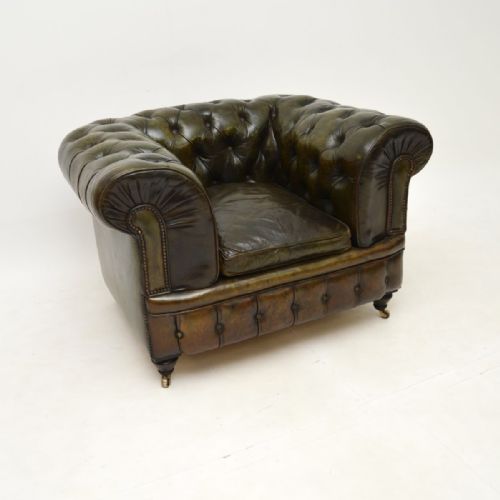
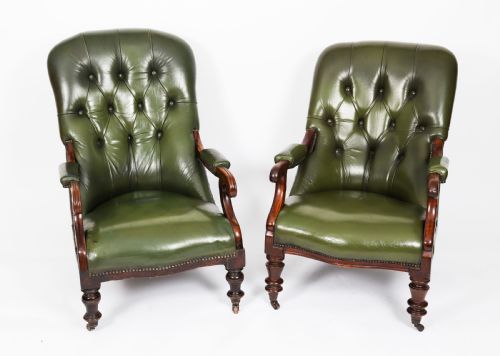

Green Club Chairs
Green club chairs bring deep colour and substantial comfort into a room through generous upholstered forms.
Green Club Chairs
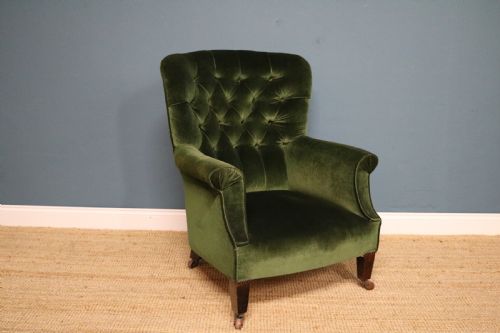
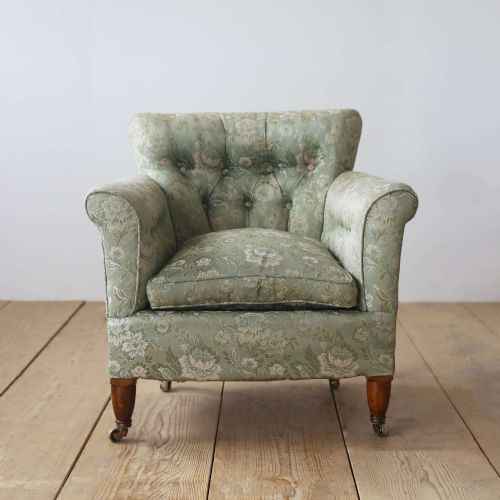
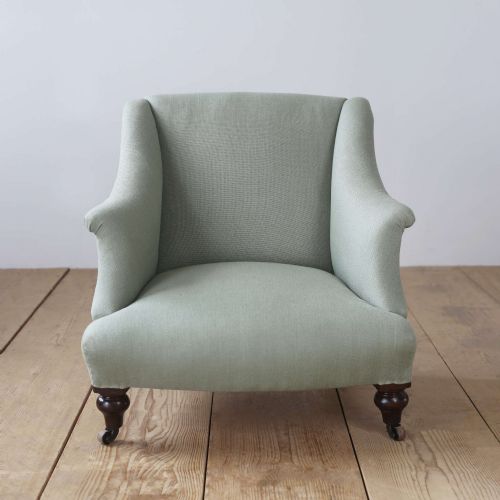
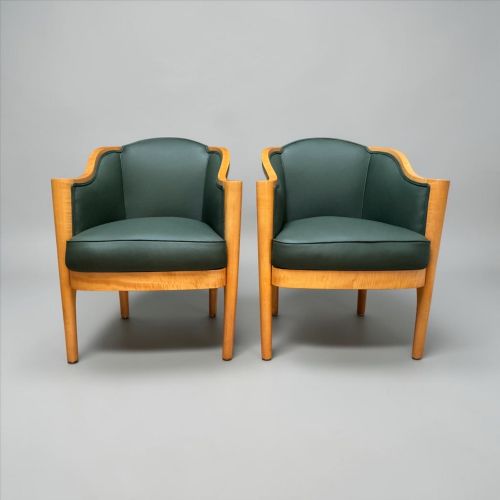
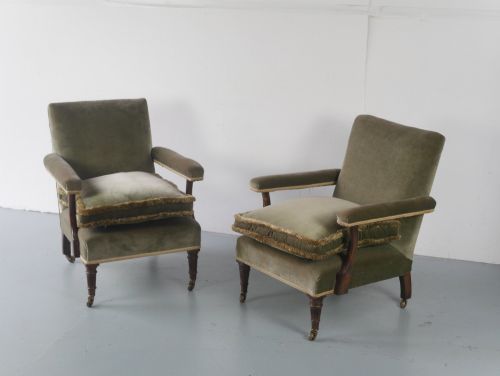
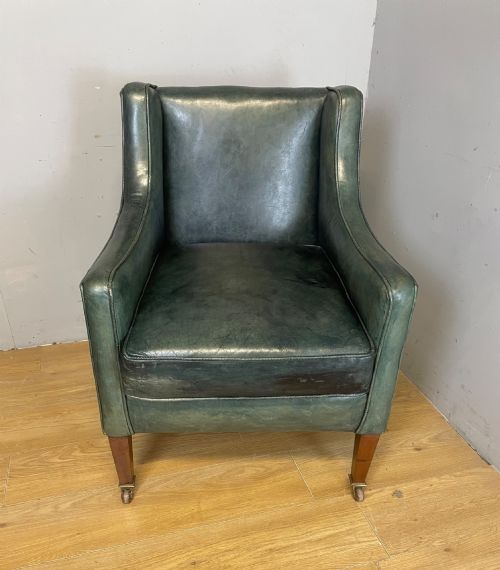
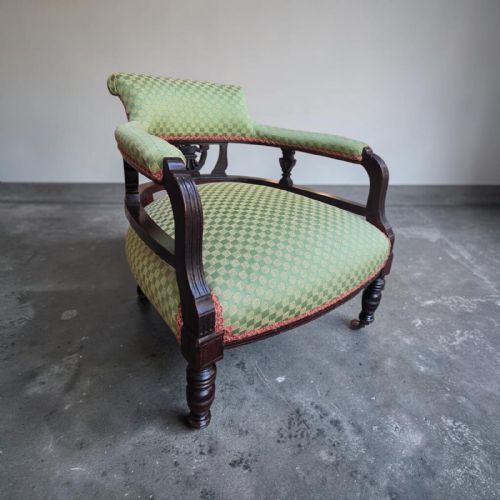
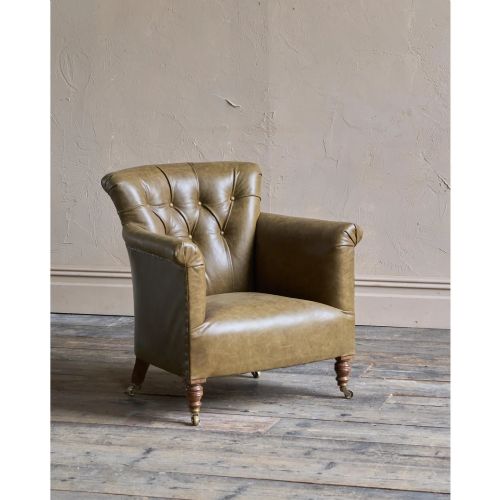
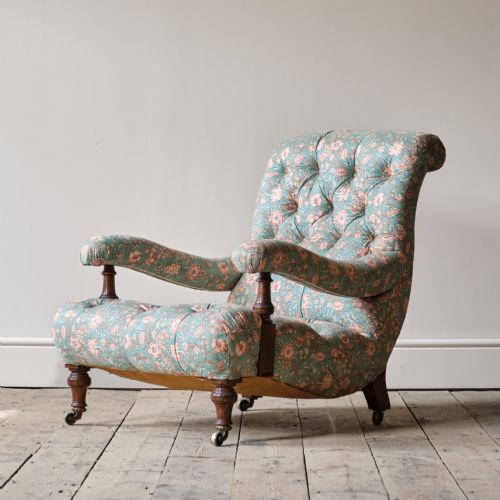
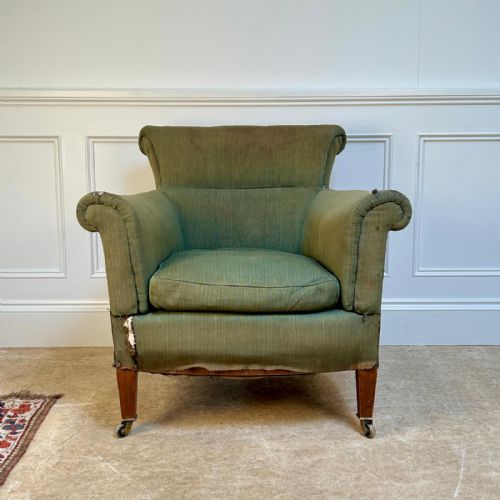
Green club chairs encompass a range of substantial seating forms, from nineteenth-century library models to early twentieth-century lounge designs. When searching for green club chairs, buyers encounter sturdy upholstered armchairs, tub chairs, and occasional seating upholstered in various shades of green leather or fabric.
The selections span distinct historical periods including the Victorian era, Edwardian period, and Art Deco style. Many examples display traditional English country seating characteristics, often featuring deep seats designed for lounging.
Makers and workshops of the nineteenth and twentieth centuries produced these armchairs using robust timber frames of mahogany, walnut, or rosewood. Buyers frequently find matching pairs alongside individual library chairs and occasional seating.
Construction and Materials
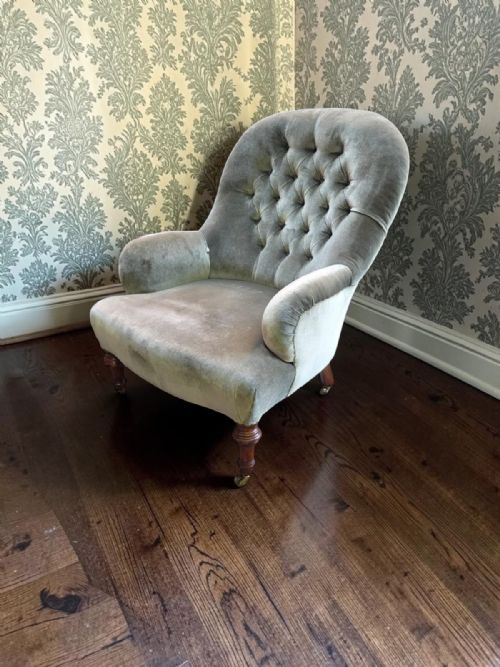
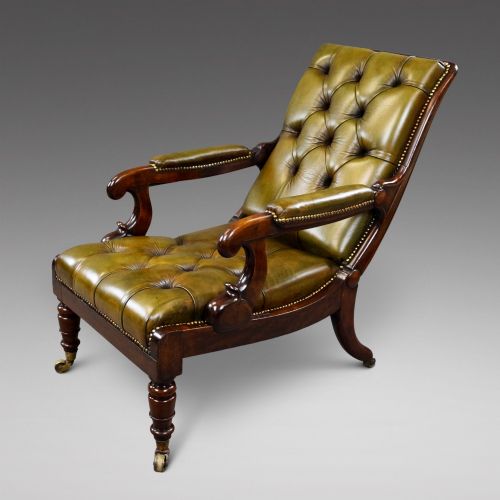
Upholstery forms the visible surface through the use of leather, velvet, and various woven fabrics. Craftsmen applied traditional button-backing techniques and supported the seating areas with brass components and sturdy internal webbing.
Green Club Chairs Retail Price Guide 2026
Typical asking prices for green club chairs among the pieces listed under this phrase on Sellingantiques today, from the lower quarter to the upper quarter. They describe what is for sale here now, not the wider market.
Listings feature nineteenth-century, Victorian, Edwardian, and Art Deco periods utilising leather, mahogany, walnut, and fabric.
Evaluating Quality
Quality differences emerge in the integrity of the wooden frame and the precision of the upholstery work. Superior pieces exhibit hand-carved wooden details, substantial mahogany or walnut legs, and well-maintained leather surfaces that show honest patination.
The distinction between standard production and fine workshop output rests on the proportions of the arms and backrest, alongside the durability of the internal stuffing. Maker attributions and firm stamps on legs or castors elevate the standing of individual library and club chairs.
Maurice Adams·Howard and Sons·Holland and Sons·J.Mills·Robert Daws London
The Green Club Chairs Glossary
- Club chair
- A deep-seated upholstered armchair designed for relaxation. These seats typically feature low backs and broad arms.
- Library chair
- A heavy reading chair often framed in mahogany or walnut. They frequently incorporate leather upholstery suited to traditional study spaces.
- Button back
- An upholstery technique where depressions are created in the padding using buttons pulled tight. This secures the internal filling and provides a decorative quilted pattern.
- Tub chair
- An upholstered seating form where the back curves continuously into the arms. The enclosed shape resembles a rounded tub.
- Claw and ball
- A furniture foot carved to represent a bird's talon gripping a ball. This decorative motif appears on the legs of period armchairs.
Green Club Chairs: Frequently Asked Questions
What defines a club chair?
A club chair is a deep, heavily upholstered armchair built for comfort with a low back and wide arms.
Originating in French and English seating traditions, the form prioritises relaxation and substantial physical presence.
How do I identify a Victorian armchair?
Victorian armchairs often display robust mahogany or walnut frames with dark leather upholstery and button-backed details.
They frequently incorporate period flourishes such as carved wooden legs, turned supports, or brass castors.
Where were leather library chairs used?
Library chairs served as functional reading seats in the studies and libraries of large houses and institutional rooms.
Their durable leather surfaces and sturdy wooden frames suited daily scholarly use.
What materials are used in these chairs?
These seating pieces utilise solid wood frames made from mahogany, walnut, rosewood, and general timber.
Outer coverings consist primarily of leather, velvet, and fabric, often accented with brass elements.