



Green Chinese Plate
A green chinese plate brings the subtle tones of imperial kiln work or export ware directly to the table.
Green Chinese Plate
When someone searches for a green chinese plate, they encounter a range of ceramics spanning several dynasties and centuries. These examples encompass decorative dishes, chargers, and bowls shaped across the Qing, Song, and Yuan periods.
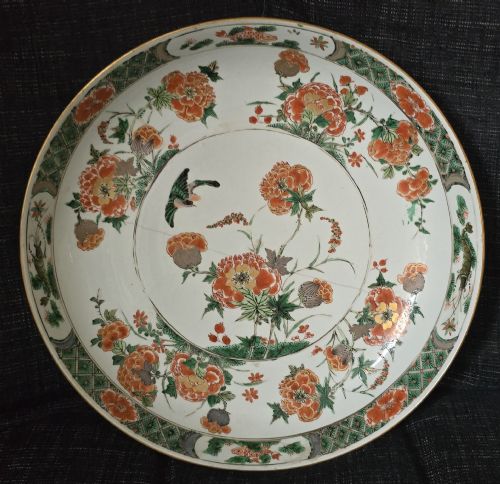
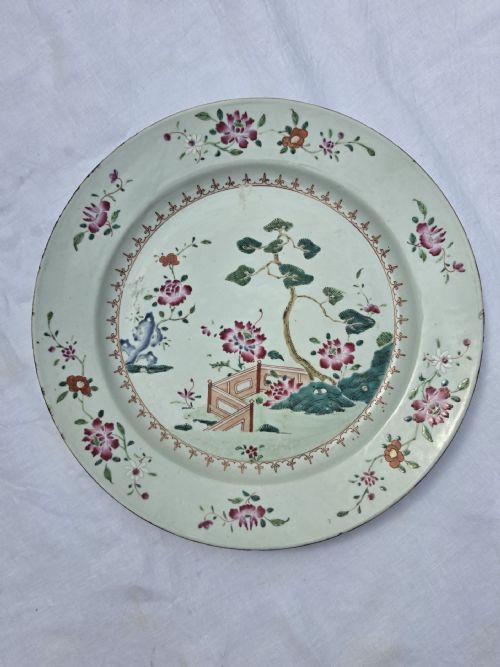
The pieces appearing on this page most frequently take the form of porcelain dishes adorned with celadon glazes, overglaze enamels, or imperial green dragon motifs. They serve primarily as decorative objects or wall chargers rather than utility tableware.
How they were made
Potters shaped hard-paste porcelain before applying mineral-rich glazes, such as the distinctive celadon glaze that produces a jade-like surface. Artisans often utilised moulding techniques to create floral scrolls and raised foliate rims.
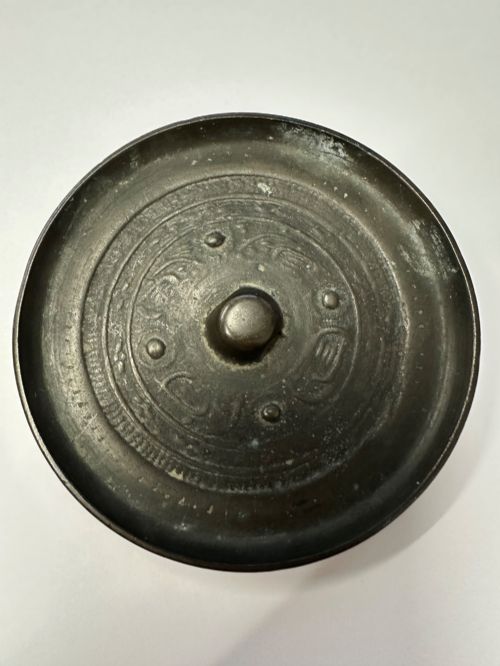
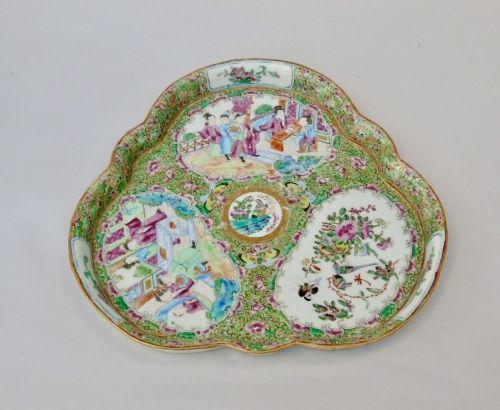
Decoration continued through the application of overglaze enamel colours, sometimes accented with gold leaf or gilding. Certain items incorporate bronze elements, reflecting diverse material capabilities across different workshops.
Green Chinese Plate Retail Price Guide 2026
Typical asking prices for green chinese plate among the pieces listed under this phrase on Sellingantiques today, from the lower quarter to the upper quarter. They describe what is for sale here now, not the wider market.
The material selection across these items includes hard-paste porcelain, bronze, and gold leaf applied to decorative dishes and chargers.
What varies in quality
The standard of a piece depends on the precision of the hand-painted brushwork and the depth of the glaze. Finer examples display controlled enamel application and balanced proportions that reflect the skill of the period.
Imperial-style items and pieces bearing distinct reign marks or armorial details demonstrate greater artistic ambition. The weight of the porcelain and the clarity of moulded motifs further distinguish standard production from exceptional works.
Bluett and Sons
The Green Chinese Plate Glossary
- Celadon glaze
- A transparent green glaze applied to porcelain that mimics the appearance of jade. It often develops subtle crackles and varies in tone from olive to sea-green.
- Famille verte
- A palette of overglaze enamels dominated by green tones, introduced during the Qing dynasty. Artisans used this scheme to render intricate figures and foliage.
- Qianlong
- A period spanning the eighteenth century marked by high technical proficiency in Chinese porcelain production. Pieces from this era often feature complex enamel designs.
- Charger
- A large decorative plate intended for display on a sideboard or wall rather than for serving food. These items typically measure significantly wider than standard dining plates.
- Hard-paste porcelain
- A dense, vitrified ceramic fired at high temperatures using kaolin and petuntse. It remains impermeable to liquids even without glaze.
Green Chinese Plate: Frequently Asked Questions
How do I date a green chinese plate?
Dating relies on identifying stylistic markers, glaze characteristics, and reign marks associated with specific dynasties. Comparing the potting style and foot rim construction to documented examples provides further clarity.
Examination of the overglaze enamels and wear patterns helps confirm whether a piece belongs to an earlier period like the Qing dynasty or later nineteenth-century revivals.
Were these plates used for dining?
Most large chargers and decorative dishes served as display pieces in formal rooms or court settings. Export wares were often commissioned by European families for decorative display rather than daily service.
Smaller dishes might see occasional use, but their survival in good condition suggests they were largely preserved as decorative works of art.
How should I display a heavy porcelain dish?
Wall-mounted chargers require specialised hangers that distribute the weight evenly across the rim and base. Using a sturdy, coated wire bracket prevents scratching the glaze.
When placing a dish on a cabinet or table, utilise a stable stand designed to support the specific curvature of the foot rim without putting pressure on vulnerable edges.
What is the difference between celadon and famille rose?
Celadon relies on iron in the glaze fired in a reducing atmosphere to create a uniform green, jade-like surface. The decoration depends on carved or moulded relief rather than painted colours.
Famille rose utilises an opaque pink enamel alongside greens and other colours to create vibrant, polychrome scenes of court life or floral arrangements.