


Green Canvas Animal Art
Green canvas animal art brings together pastoral scenes and domestic creatures painted across the nineteenth and twentieth centuries.
Green Canvas Animal Art
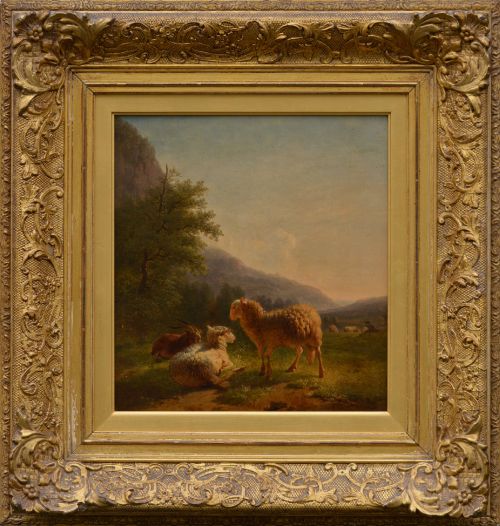
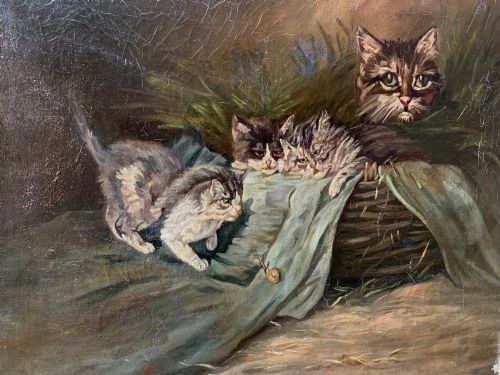
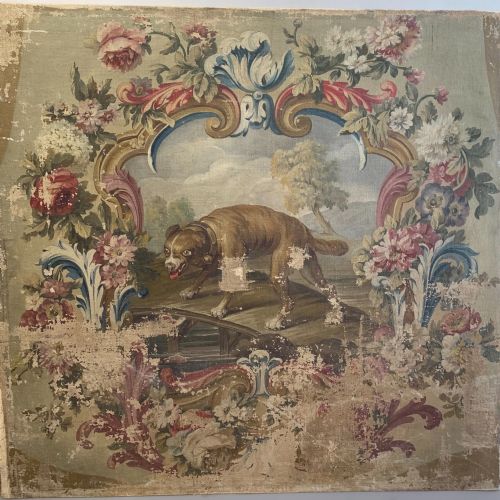
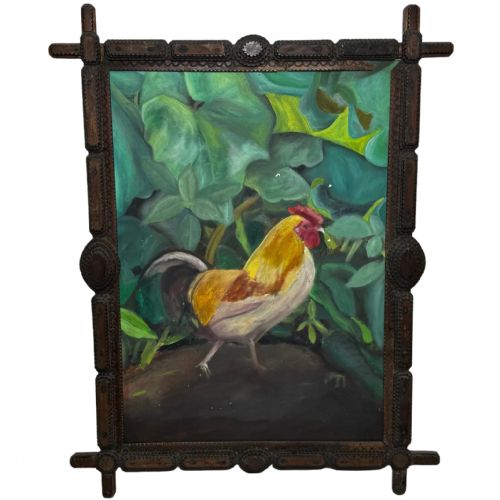
Green canvas animal art comprises oil paintings on canvas depicting cattle, sheep, dogs, cats, and birds within rural and natural landscapes. These works span periods from the early nineteenth century through to the mid-twentieth century, capturing pastoral life and animal portraits.
Buyers will frequently encounter Victorian pastoral scenes and rural landscapes executed in oil paint on canvas supports. Many of these pieces feature framed presentations incorporating wood, giltwood, and gesso elements.
The origins of these paintings extend across British, French, and Catalan traditions, ranging from nineteenth-century realism to 1930s British realism and folk art styles.
Variations in execution
The standard of these paintings rests upon the painter's handling of anatomical form, texture in animal coats, and atmospheric depth within the landscape. Masterful brushwork distinguishes works with convincing movement and light from rigid or formulaic compositions.
Materials documented in current inventory include oil paint, canvas, wood, giltwood, gesso, and plaster.
Eugène Verboeckhoven·Margaret Maitland Howard·William Henry Mander·Thomas Sidney Cooper·Samuel Joseph Clark·George Armfield·Agnes Augusta Talboys·William McCance·Claude Cardon·Constant Ludovic Artz·Henry Brittan Willis·Henry Cheadle·William Sidney Cooper·George Smith RSA·Cuthbert Edmund Swan·Charles Jones
The Green Canvas Animal Art Glossary
- Canvas
- A heavy woven fabric used as a support surface for oil paintings. It is typically stretched across a wooden frame before painting begins.
- Giltwood
- Wood that has been coated with a thin layer of gold leaf or gold paint. This material appears frequently in period frames.
- Gesso
- A paint mixture consisting of a neutral binder mixed with chalk, gypsum, or pigment. It is applied to wooden frames to create a smooth surface for gilding.
- Oil Paint
- A slow-drying paint made by combining pigment particles with a drying oil such as linseed. This medium allows for rich colour blending and textured brushwork.
Green Canvas Animal Art: Frequently Asked Questions
What subjects appear in green canvas animal art?
These works display domestic livestock, farm animals, and household pets placed within rural settings. Common subjects include cattle, sheep, dogs, cats, and poultry.
Many compositions place these animals within pastoral landscapes, river banks, and country courtyards. The focus rests upon rural daily life and naturalism.
How do I date these paintings?
Dating relies upon the stylistic indicators of the period, such as Victorian realism or twentieth-century British modernism. Costume, framing materials, and artist signatures also help establish the era.
Recorded periods span from the early nineteenth century through to the 1940s and 1960s. Examining the canvas preparation and stretcher construction provides further clues.
How should I frame and hang them?
Many pieces retain period wooden frames finished with gilt or gesso that suit traditional interiors. These frames should be kept stable and secure to protect the canvas edges.
Position the paintings away from direct sunlight and excessive moisture to preserve the oil pigments. Proper wall placement ensures the canvas remains free from environmental strain.
What is the difference between academic and folk styles here?
Academic works, such as Victorian pastoral scenes, focus on anatomical accuracy and detailed landscape perspective. They reflect formal training within European schools.
Folk art examples, such as Catalan regional paintings, employ more direct forms and unpretentious compositions. Both styles capture animal subjects but through distinct artistic traditions.