





Green Art Deco Pottery
Green art deco pottery brings vibrant tones and geometric lines into a room, offering distinctive ceramic figurines, vases, and bowls from the early twentieth century.
Green Art Deco Pottery
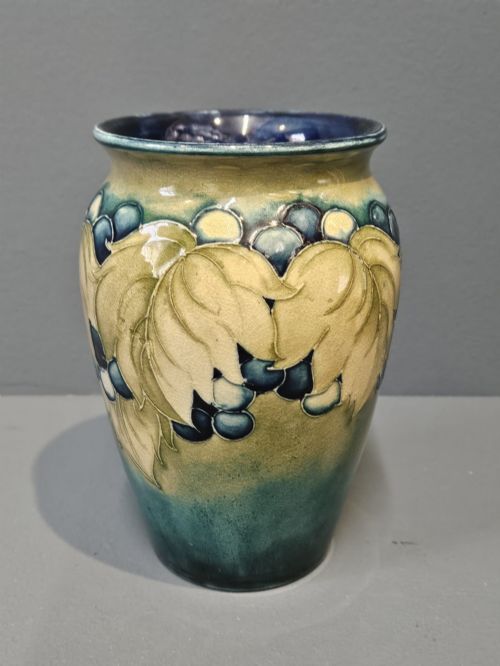
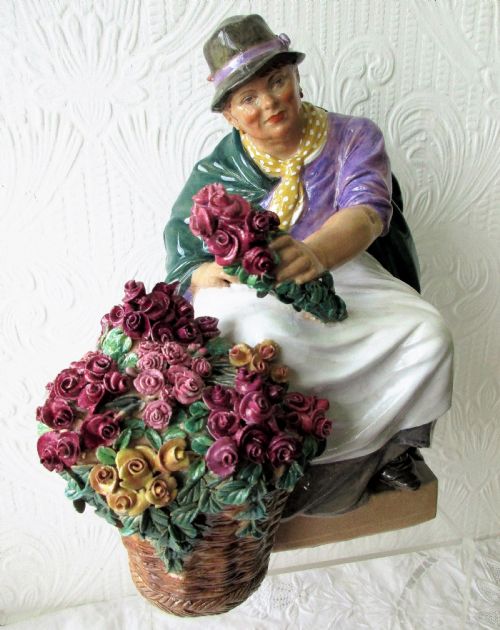
Green art deco pottery encompasses a striking variety of decorative objects, including vases, decorative bowls, ceramic figurines, and table lamps originating mainly from the nineteen-twenties and nineteen-thirties. Pieces range from high-fired art pottery chargers to playful animal figures, often showcasing deep celadon or lustrous green glazes.
The selection here frequently highlights works from prominent designers and potteries operating during the Edwardian period and the interwar decades. Buyers will encounter glazed earthenware and porcelain items that capture the bold stylistic shifts of the era through stylized natural motifs and clean modernist silhouettes.
Materials and construction
Potters of the period utilised earthenware and porcelain as primary bases, shaping them into complex sculptural forms and functional vessels like vases and bowls. Techniques such as high-fired glazing created rich, reflective surfaces, occasionally accented with gold leaf to enhance the decorative detail.
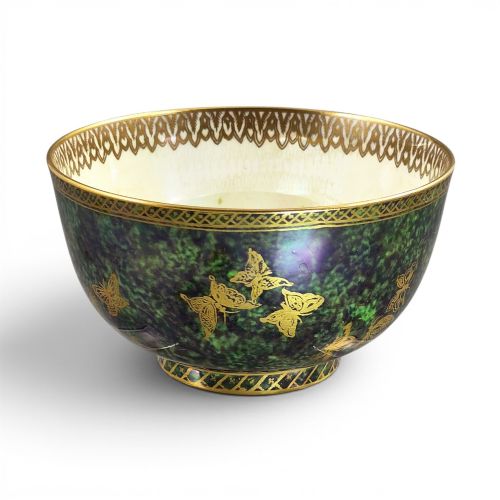
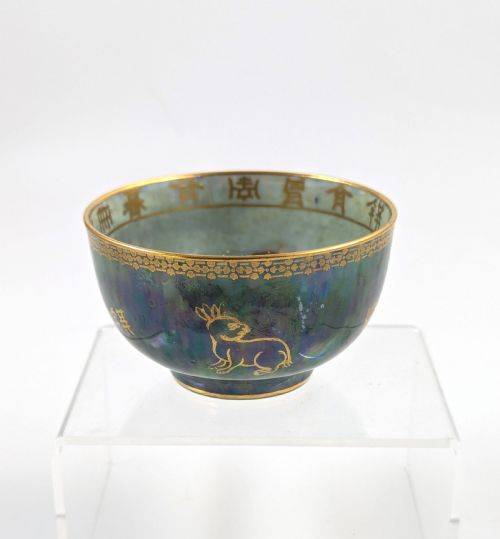
Specialised decorative effects defined the era, seen in lustrous finishes that shimmer in the light and intricate hand-painting on figures and charger plates. Artisans also incorporated mixed media elements, such as glass eyes in sculptural animal pieces, to add realism and texture.
Green Art Deco Pottery Retail Price Guide 2026
Typical asking prices for green art deco pottery among the pieces listed under this phrase on Sellingantiques today, from the lower quarter to the upper quarter. They describe what is for sale here now, not the wider market.
The selection spans works created across the Edwardian era through the nineteen-thirties.
Judging quality and execution
Quality in these ceramics rests on the crispness of the moulding and the depth of the glaze, where complex lustre finishes and even coloration distinguish superior pieces from standard production. Strong artistic attribution to known designers elevates the piece significantly above anonymous factory output.
The precision of hand-painted details and the preservation of delicate surface applications, such as gold leaf highlights, dictate the overall standard of the work. Superior examples demonstrate a harmonious balance between the sculptural form and the glaze effect applied across the earthenware or porcelain body.
Moorcroft·Charles Vyse·Wedgwood·Le Manceau·Royal Lancastrian·Denby Ware·Keith Murray
The Green Art Deco Pottery Glossary
- Earthenware
- A porous pottery body fired at lower temperatures, requiring a complete glaze to achieve impermeability. It serves as the foundation for many decorative bowls and figurines from this era.
- Celadon
- A pale green glaze historically prized for its jade-like appearance. On these pieces, it provides a subtle, calming surface tone.
- Charger
- A large decorative plate or shallow bowl designed for display rather than dining. These items often feature elaborate painted scenes or lustrous glazes.
- Lustre
- A type of ceramic glaze containing metallic elements that produce an iridescent sheen upon firing. Wedgwood examples demonstrate this technique to striking effect.
- Porcelain
- A fine, vitrified ceramic material made from quartz, feldspar, and kaolin, fired at high temperatures. It yields a smooth, white body utilised for delicate figures.
Green Art Deco Pottery: Frequently Asked Questions
How do I identify a genuine piece?
Look closely at the glaze consistency, weight, and any maker's marks stamped or painted on the base. Authenticating these items relies on recognising the characteristic colour palettes and manufacturing techniques of the period.
Compare the piece against documented examples from makers active in the nineteen-twenties and nineteen-thirties. Understanding typical studio signatures and glaze formulas helps confirm the origin.
Where were these ceramics made?
The pieces originate primarily from established English potteries and continental European workshops. Major ceramic centres produced both utilitarian art pottery and purely decorative sculptures.
English manufacturers like Wedgwood and Moorcroft worked alongside French studios and independent artists. Each region brought distinct stylistic interpretations to the glazed earthenware and porcelain medium.
How should I display them?
Position these ceramics in well-lit areas where lustrous glazes and metallic accents can catch the light. Placing vases and bowls on stable surfaces protects their delicate porcelain or earthenware bodies from accidental damage.
Keep figures and table lamps away from direct, harsh sunlight to preserve the vibrancy of the green tones. Grouping similar forms creates an impactful display that highlights the geometric lines of the era.
What defines the style?
The aesthetic combines streamlined modernity with stylised representations of nature, animals, and the human form. Bold geometric patterns and simplified silhouettes replace Victorian ornamentation.
Rich green glazes, celadon finishes, and lustrous surfaces unify diverse objects from table lamps to powder boxes. This cohesive visual language defines the interwar design movement.