




Green Fine Art
Green antique fine art gathers historic paintings and wall textiles depicting landscapes, portraits and still lifes across multiple centuries.
Green Fine Art
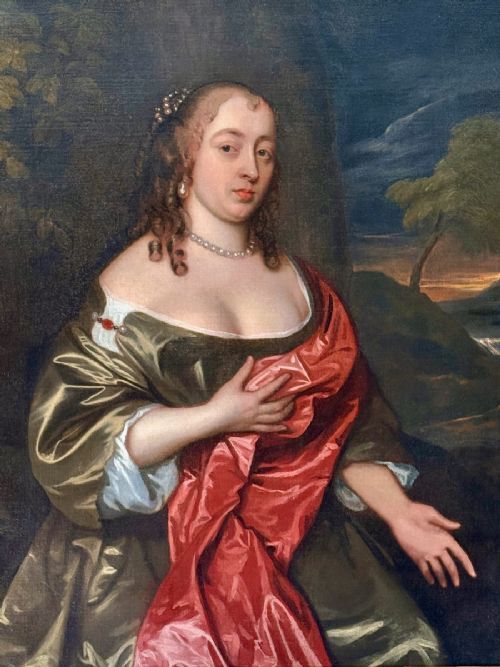
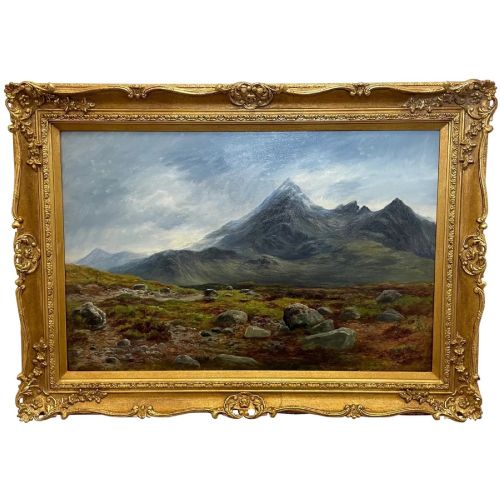
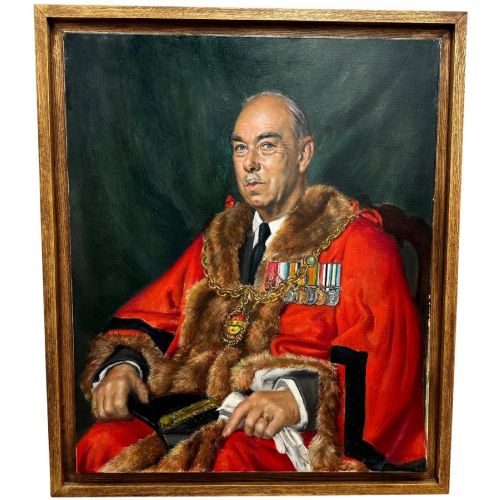
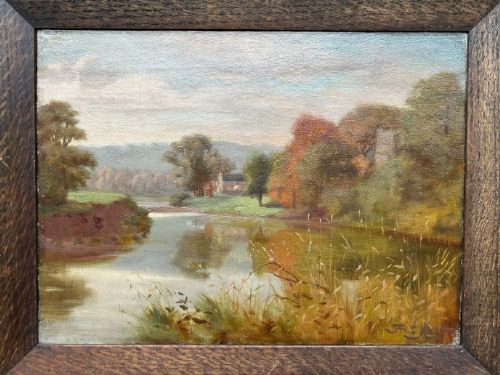
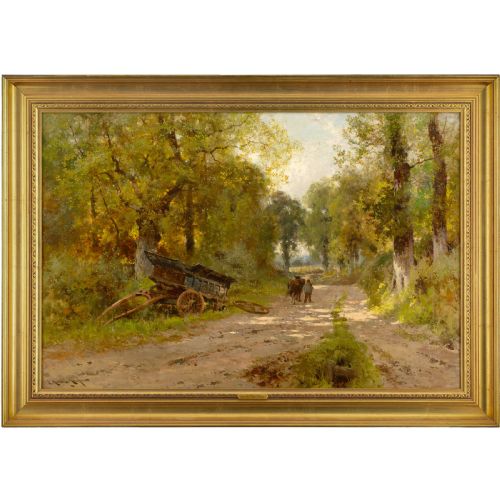
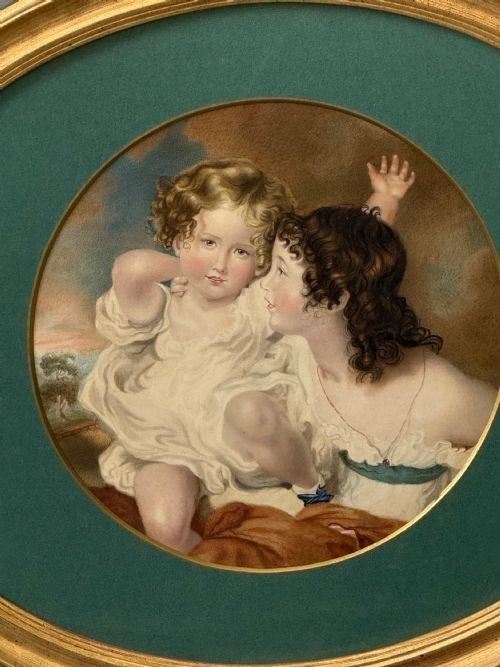
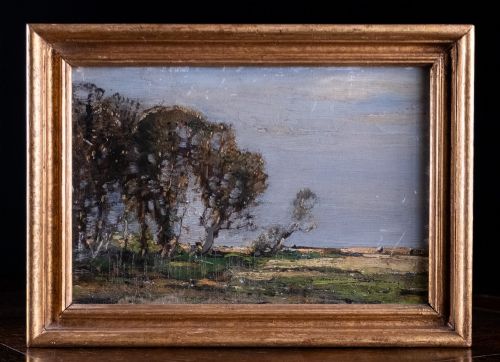
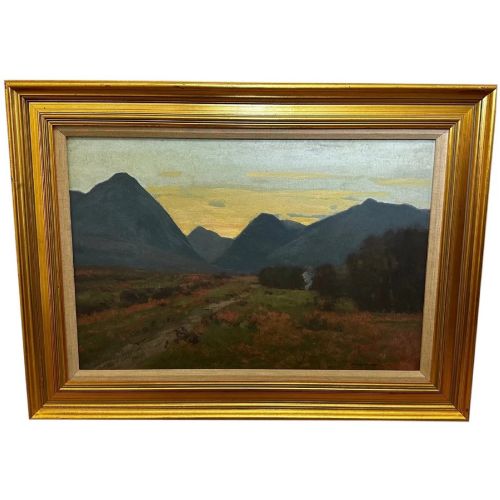
Buyers exploring green antique fine art encounter canvas oil paintings, wood panel works and woven textiles spanning from the seventeenth century to the twentieth century. These pieces record landscapes, botanical scenes and figurative subjects created by British, French, Italian and Scandinavian artists.
Materials and methods
Artists painted primarily using oil on canvas, oil on wood panel, or watercolour on paper, applying pigments with brushes to prepared surfaces. Textile works utilise wool and silk yarns hand-woven into large verdure tapestries and suzani wall hangings.
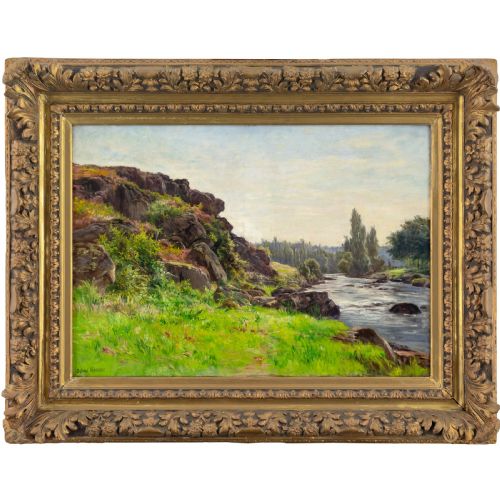
Frames incorporate carved and gilded wood known as giltwood, enclosing the painted surfaces or textile edges. Canvases and panels frequently show the marks of age, including craquelure in the paint layers and natural patination on the wooden supports.
Listings feature works from the 17th Century, 18th Century, 19th Century, Victorian, Edwardian, 1910, 1920 and 1930 periods.
Factors determining quality
Quality rests upon the skill of the brushwork, the handling of light and shadow, and the preservation of the original pigment layers. Masterful execution in landscape foliage or portraiture distinguishes superior works from standard decorative pieces.
The integrity of the support material also matters, as stable canvases, unwarped wood panels and intact textile weaves retain the intended visual impact of the composition more successfully over centuries.
John Hayls·Eugène Verboeckhoven·William Beattie-Brown·Bernard Hailstone·George Graham·Tom Campbell·Frederick Marriott·John Horace Hooper·Kershaw Schofield·George Houston·Herbert Royle·Gabriel Mathieu·John Lübschitz·Valentine Green·Edward Ladell·Carl Felkel·Ernest Arthur Rowe·Harald Foss·Charles Stuart Forbes·Thomas Maidment·Sir Alfred East·Cornelius Johnson·Paul Désiré Trouillebert·Arthur Dudley·Percy Lancaster
The Green Fine Art Glossary
- Canvas
- A heavy woven fabric stretched across a wooden frame to provide a firm painting surface for oil colours.
- Giltwood
- Wood that has been coated with a thin layer of gold leaf or gilt paint, commonly used for decorative antique picture frames.
- Mezzotint
- A printmaking process of the intaglio family where artists work from dark to light by roughening the copper plate to produce rich tones.
- Suzani
- A type of embroidered tribal textile originating from Central Asia, executed with silk thread on a cotton or linen ground.
- Verdure tapestry
- A wall hanging woven with plant motifs, foliage and landscape elements, frequently produced in French workshops such as Aubusson.
Green Fine Art: Frequently Asked Questions
What periods do these artworks cover?
The listings include pieces created from the seventeenth century through to the early twentieth century. Victorian, Edwardian and various regional school periods are represented.
Paintings span centuries of stylistic development, moving from classical portraiture towards impressionist landscape interpretations.
Are these works original paintings?
The inventory consists largely of original oil paintings on canvas or wood panel, alongside watercolours and historical prints. Some pieces are period copies or works executed after earlier masters.
Each listing specifies the primary medium used to create the surface image.
How should textile art be displayed?
Large wall tapestries and suzanis require secure mounting systems that distribute the weight evenly across the upper edge of the fabric. Hanging them away from direct sunlight protects the natural fibres and dyes from fading.
Environmental stability helps maintain the condition of historical textiles over time.
What subjects appear in the paintings?
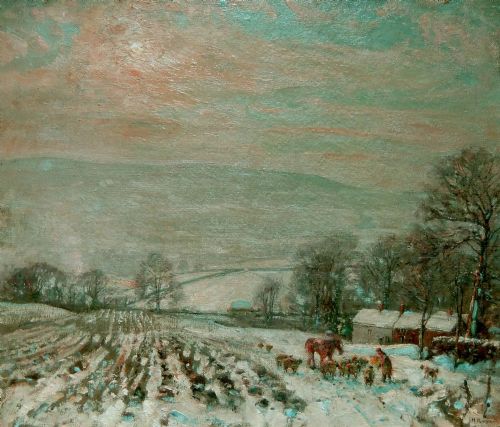
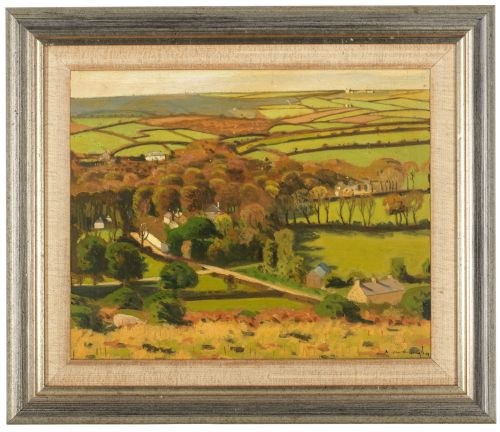
Landscape scenes form a large part of the collection, featuring rivers, trees, Scottish highlands and country cottages. Portraits, still lifes with fruit and botanical gardens also feature prominently.
Many works capture specific regional views across Britain, France, Scandinavia and Italy.