



Green Accent Lamp
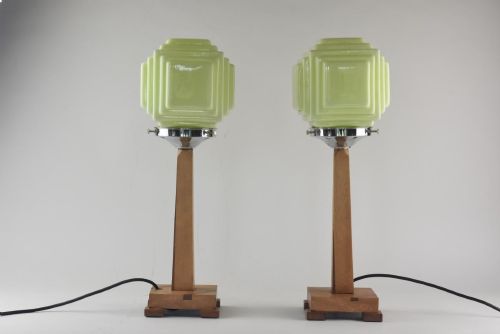
These green accent lamp examples bring character and focused illumination to a room through varied period forms and materials.
Green Accent Lamp
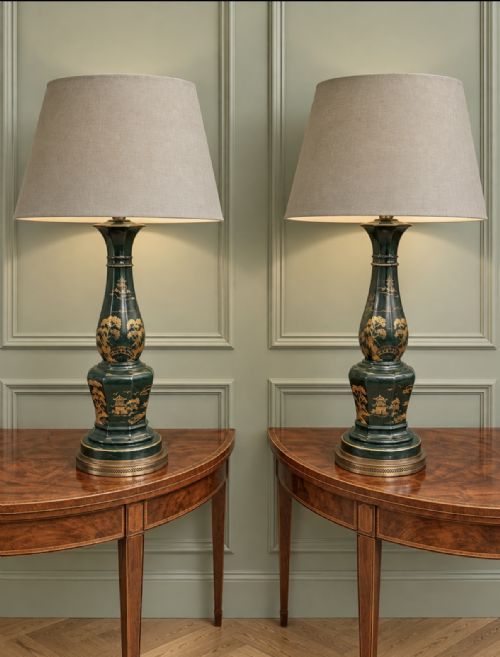
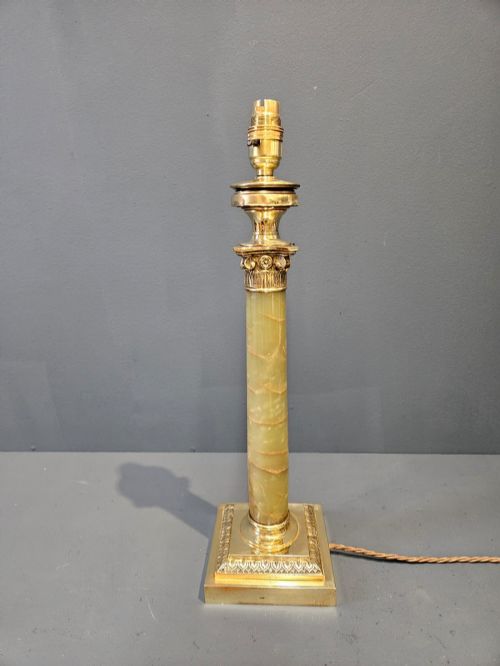
A green accent lamp serves to brighten corners and tables while introducing colour through ceramic bodies, painted wood, or marble bases. When searching for a green accent lamp, buyers encounter pieces ranging from early twentieth century art deco figures to neoclassical brass and marble columns.
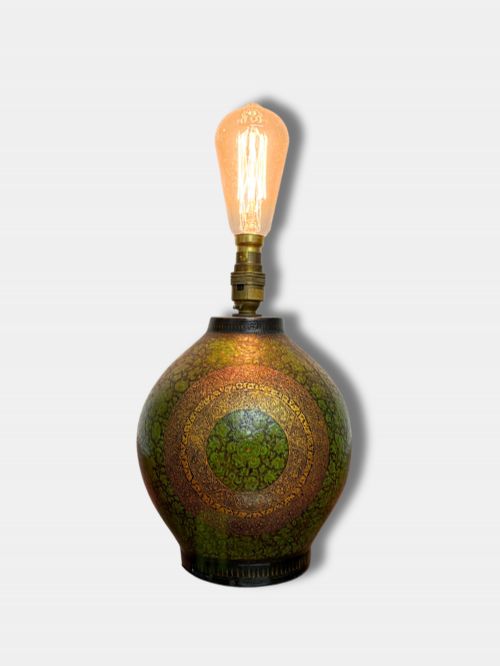
The selection includes varied forms such as ceramic jars on brass bases, spelter mood lamps, and converted oil lamps. Origins span English, French, Italian, and Indian workshops, mostly dating from the nineteenth and early twentieth centuries.
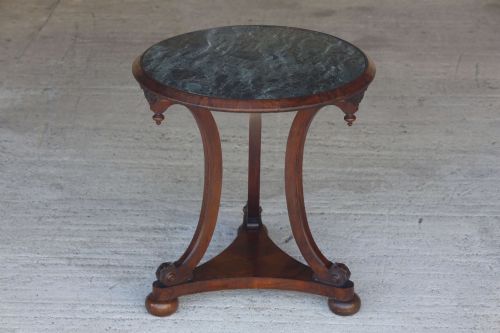
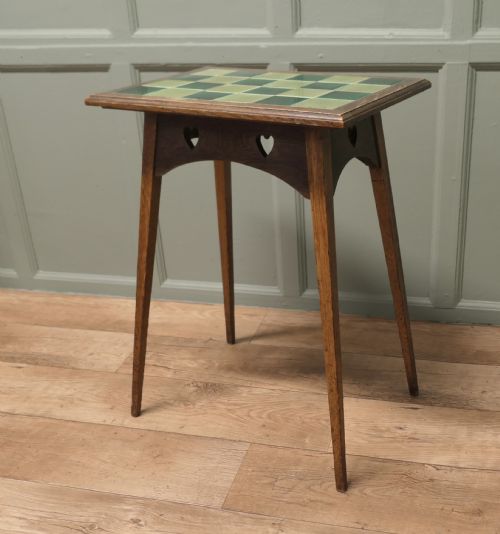
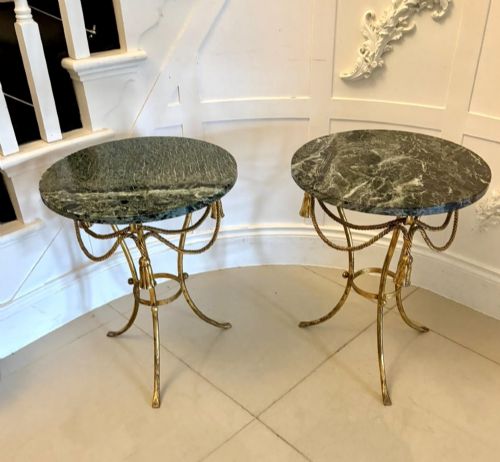
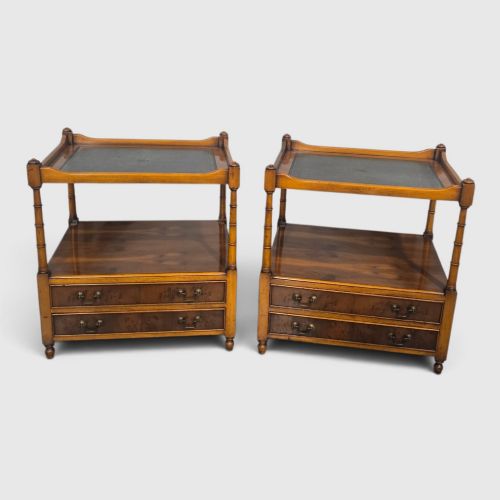
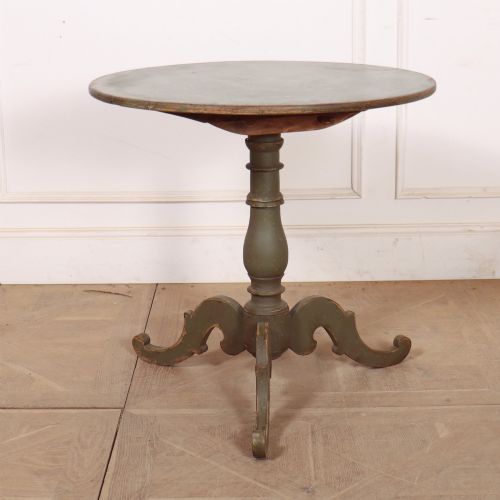
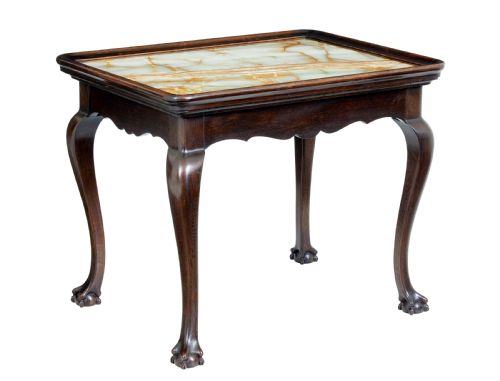
Table lamps dominate the selection, often paired with side tables or lamp tables that share similar period characteristics like painted finishes or marble tops.
Materials and construction
Brass and bronze provide structural framework and decorative mounts, frequently paired with natural stone elements like verde marble and onyx. Metal components often retain original patinated surfaces or gilt finishes.
Ceramic bodies and painted wood introduce the titular colour, utilising hand-applied pigments, gilt gold, and majolica glazes. Fabric elements appear alongside carved wooden frames and oak or yew occasional tables.
Green Accent Lamp Retail Price Guide 2026
Typical asking prices for green accent lamp among the pieces listed under this phrase on Sellingantiques today, from the lower quarter to the upper quarter. They describe what is for sale here now, not the wider market.
Tennis players and carved dolphins occasionally hold up the lighting.
Judging quality in these pieces
Quality rests in the fidelity of the period detailing, from the crispness of brass repoussé work to the depth of hand-painted finishes on ceramic and wood. Superior examples display integrated design where metal mounts, marble bases, and figural elements harmonise without awkward proportions.
Materials selection dictates the grade of the piece, with genuine verde marble and cast bronze outperforming lesser metal alloys and painted substitutes. The preservation of original patination and historic painted surfaces directly influences the integrity of the object.
Liberty London
The Green Accent Lamp Glossary
- Spelter
- An alloy of zinc and lead used as a substitute for bronze in decorative figures and lamp bases. It takes patination and paint well.
- Repoussé
- A metalworking technique where a design is hammered into relief from the reverse side. This creates textured surface ornamentation on brass lamp bodies.
- Verde marble
- A dark green ornamental stone with pale veining often utilised for classical table tops and lamp bases. It provides heavy stability and a polished surface.
- Majolica
- A type of earthenware glazed with tin opacified glazes, frequently colourful and glossy. It appears on Edwardian lamp bodies.
- Gueridon
- A small round table supported by one or more figures or columns. These frequently serve as lamp tables in period interiors.
Green Accent Lamp: Frequently Asked Questions
What is a green accent lamp?
A green accent lamp is a lighting fixture that incorporates green ceramic, marble, or painted elements to add a specific colour note to a room. These pieces function both as functional light sources and decorative objects.
They appear in various historic styles, from art deco figures to classical brass columns, drawing on materials like bronze, marble, and painted wood.
How do I style a lamp table?
A lamp table is designed to hold a table lamp while providing a compact surface for small items beside seating or in hallways. Pairing a table with a matching lamp creates a cohesive period display.
Consider matching the wood or stone of the table with the base materials of the lamp for a balanced arrangement.
How do I date a brass lamp?
Dating a brass lamp involves examining the manufacturing techniques, mounting styles, and wiring components where original fittings survive. Cast brass and repoussé work often reflect Victorian or Edwardian craftsmanship.
Later twentieth-century pieces typically show different casting seams and standardised electrical components compared to earlier converted oil lamps.
Where did green accent lamps originate?
The pieces available originate from various European and international workshops, including English, French, Italian, and Indian makers. Each region applied distinct artistic influences, from neoclassical columns to Kashmiri painted designs.
Export styles and regional preferences during the nineteenth and twentieth centuries shaped the variety of forms seen today.