





Green Accent Furniture
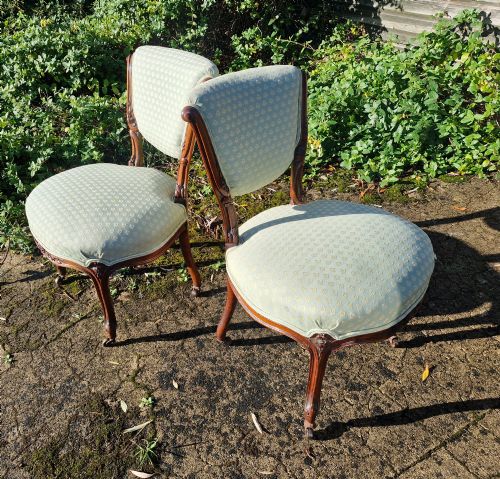
Green accent furniture brings lively colour and distinct character into a room through seating and small tables spanning multiple centuries.
Green Accent Furniture
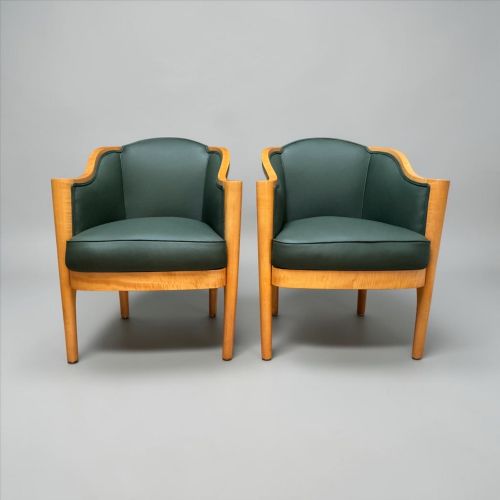
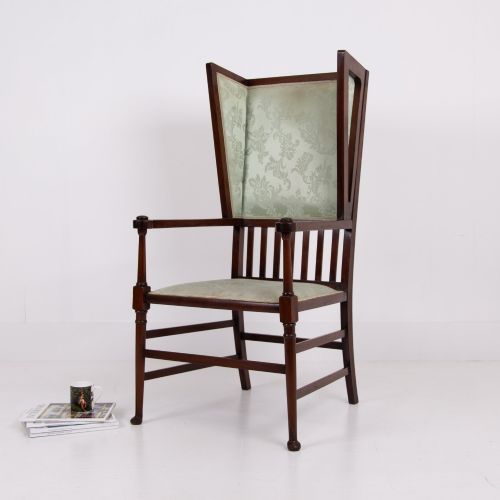
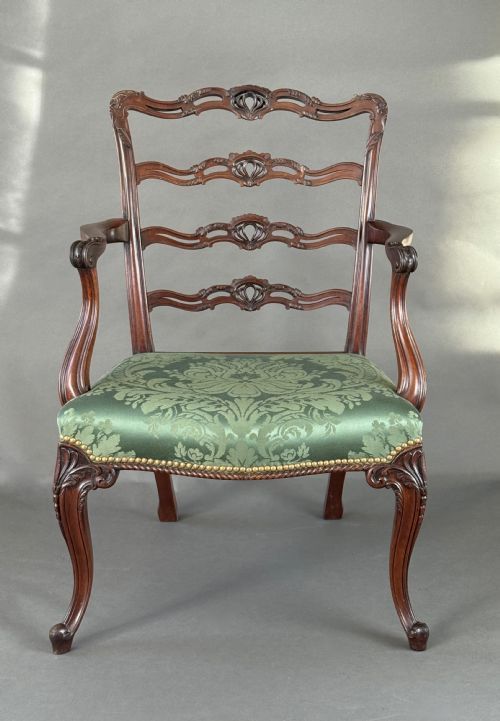
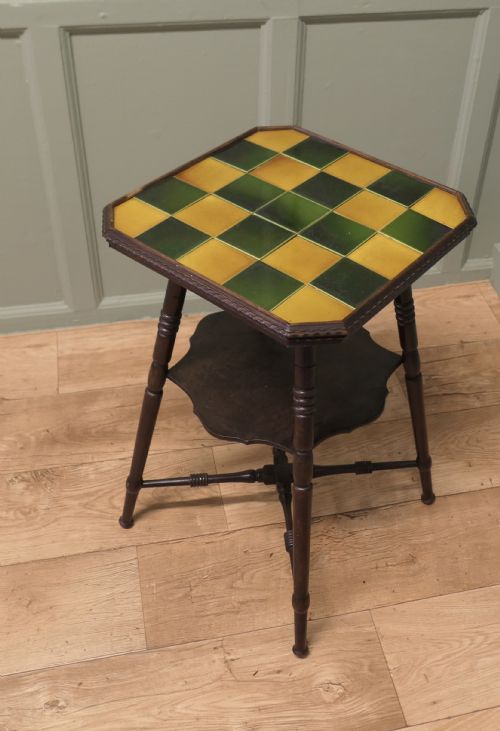
Green accent furniture gathers seating and small tables that introduce painted finishes or specific upholstery hues into a interior. When you search for green accent furniture, you encounter items ranging from early walnut corner chairs and George III armchairs to Arts and Crafts tables and Art Deco chairs.
The examples stretch across periods from the eighteenth century through the nineteenth century and into early twentieth-century movements like Art Deco and the Arts and Crafts style.
How they were made
Carpenters and cabinetmakers utilised timbers such as mahogany, walnut, oak, birch, and hardwood to construct frames, often incorporating brass fittings and carved details. Tables and chairs frequently rely on traditional joinery techniques suited to their respective periods.
Surfaces receive decorative treatments including hand-applied paint, lacquer, parcel-gilding, and inlay. Upholstered seating relies on materials like fabric, velvet, and leather applied to frames.
Green Accent Furniture Retail Price Guide 2026
Typical asking prices for green accent furniture among the pieces listed under this phrase on Sellingantiques today, from the lower quarter to the upper quarter. They describe what is for sale here now, not the wider market.
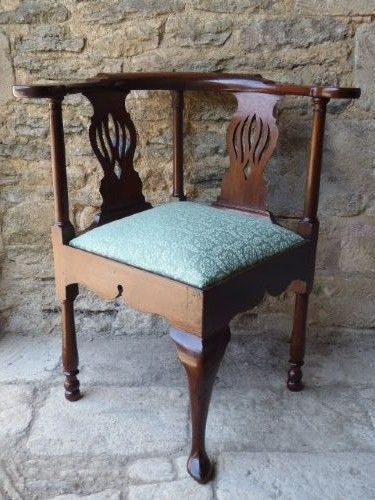
An eccentric eighteenth-century corner chair proves that past cabinetmakers enjoyed surprising anyone who sat down.
What varies in quality
The standard of a piece rests upon the crispness of carved details in wood and the integrity of applied painted or lacquered decoration. Early examples demonstrate precision in joinery and proportion, whether in a George III armchair or an Italian side table.
Original finishes and period upholstery materials separate ordinary items from those retaining their authentic surface character. The execution of decorative painting and gilding determines visual impact across painted tables and chairs.
Maurice Adams·Shapland & Petter·Jacob-Desmalter·Oliver Percy Bernard·J. & T. Scott·Howard & Sons·Louis Majorelle·Melissa White
The Green Accent Furniture Glossary
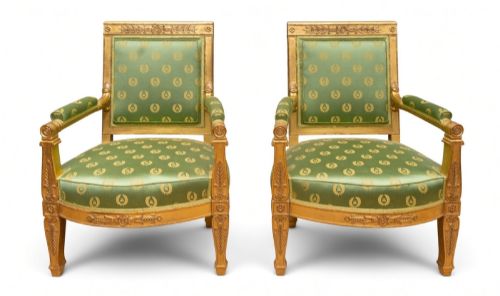
- Fauteuil
- An open-armed wooden armchair with upholstered seat and back, common in French seating designs. These chairs often feature carved and parcel-gilded frames.
- Corner chair
- A chair designed to fit into the corner of a room, typically featuring a curved backrest supported by multiple turned or shaped posts. They appear in walnut and other timbers from the eighteenth century.
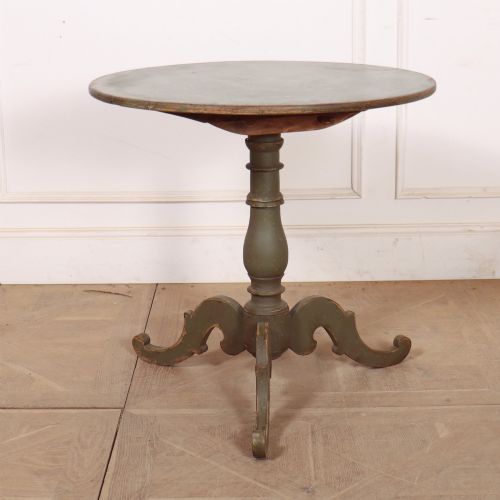
- Cricket table
- A small wooden table traditionally featuring three legs and a round top. Welsh examples provide lightweight surfaces for domestic use.
- Drop-leaf table
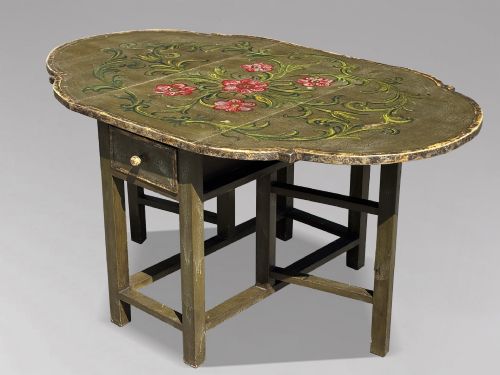
- A table with a fixed central section and hinged flaps that fold down when not in use. These versatile tables appear in painted finishes and various timbers.
- Giltwood
- Wood that has been coated with gold leaf or a gold-coloured metallic finish. This technique enhances carved details on frames and tables.
Green Accent Furniture: Frequently Asked Questions
Where should I place a green accent table?
Small tables function effectively beside seating or in hallways where surface space is required without overwhelming the room layout.
Painted and inlaid variations introduce distinct colour and texture against neutral walls or contrasting furniture.
How do I care for painted wooden furniture?
Painted surfaces require dusting with a soft cloth and protection from direct sunlight to preserve the pigment and finish over time.
Avoid chemical cleaners that might lift historic paint layers or delicate lacquer work.
What is a corner chair used for?
Corner chairs provided compact seating in eighteenth-century rooms, often positioned in angles or used at writing desks.
Their distinctive square footprint and curved backrails offer a supportive seat while saving floor space.