



Grand Tour Souvenirs Plaster
Grand tour souvenirs plaster pieces are classical intaglios and figures that bring neoclassical history directly into your study.
Grand Tour Souvenirs Plaster
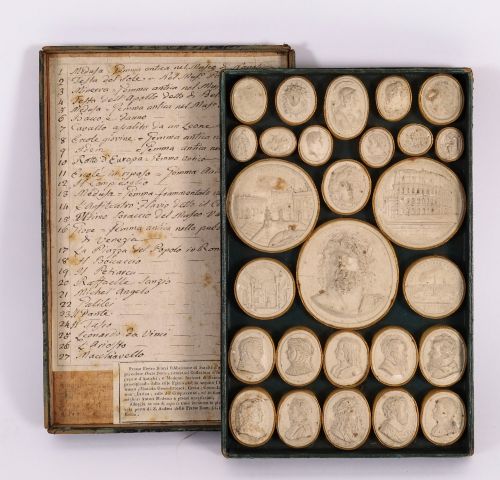
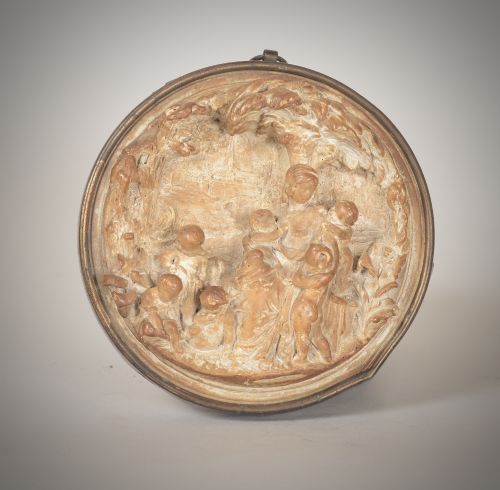
When you search for grand tour souvenirs plaster, you are looking at classical intaglios, cameo panels, and relief figures produced during the nineteenth century. These objects served as portable education for travellers returning from Italy.
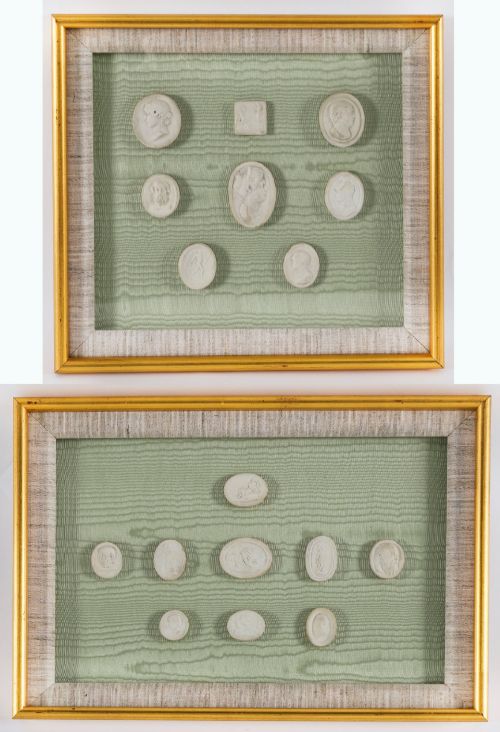
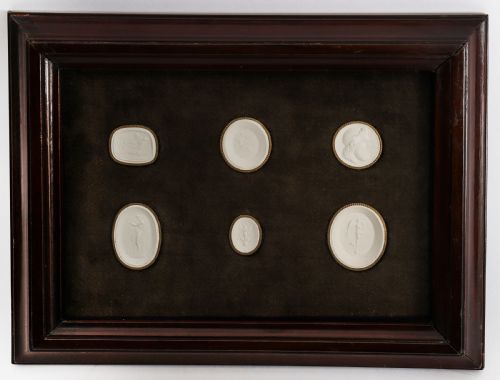
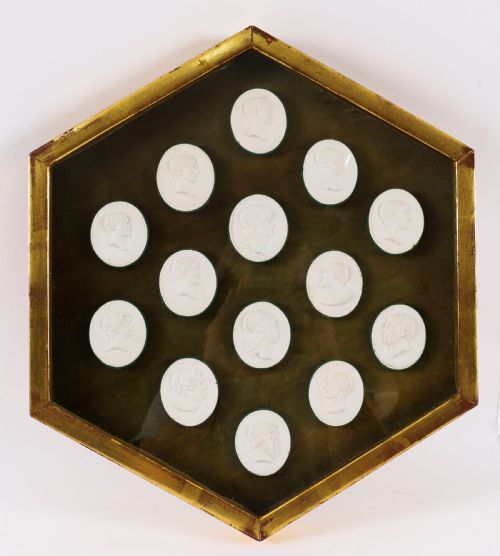
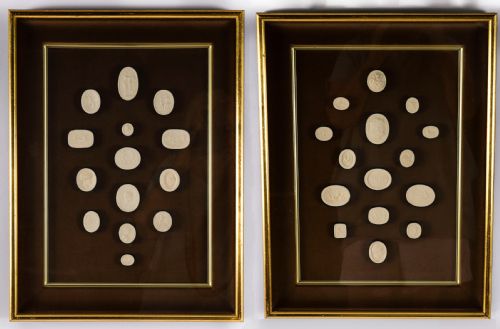
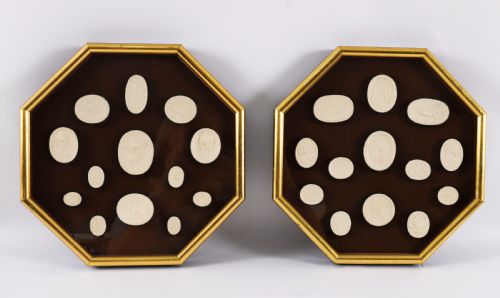
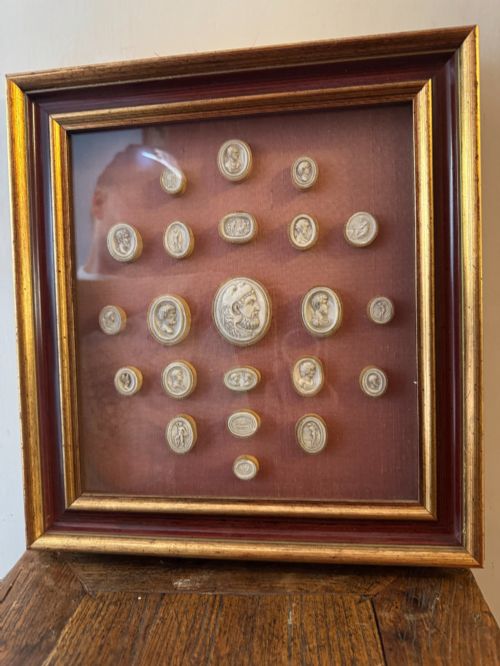
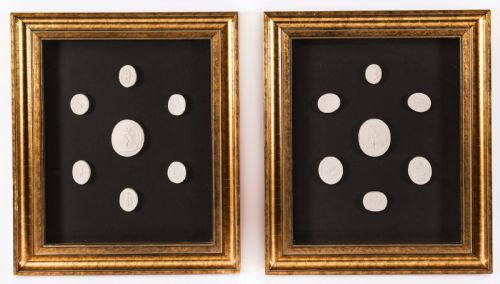
The pieces on this page appear primarily as framed wall art, collections of classical intaglios, and decorative wall plaques. You will frequently encounter framed pairs or sets containing numerous individual plaster casts.
Originating from Italian workshops, these works capture classical sculpture and mythology in miniature form. They reflect the neoclassical taste of the period through detailed plaster reliefs.
Materials and construction
The primary material is fine plaster or gypsum, poured into moulds taken from antique gems and sculptures. These delicate casts are frequently mounted against a velvet or fabric backing to highlight the crisp white relief.
Frames play a structural and aesthetic role, constructed from wood with giltwood or gold leaf finishes. Glass protects the plaster casts within box frames and octagonal wall panels.
Travellers squeezed thirty-five miniature plaster gods into a single frame to impress guests back home.
Understanding quality
Quality rests upon the sharpness of the casting and the depth of the detail in each plaster intaglio. Finer examples retain crisp edges and clear classical iconography without softening from worn moulds.
The mounting and framing elevate the presentation significantly. Cohesive sets housed within giltwood frames or fitted velvet panels demonstrate superior atelier work compared to simple individual casts.
Giovanni Liberotti·Pietro Bracci
The Grand Tour Souvenirs Plaster Glossary
- Intaglio
- An incised or sunken carving design that produces a raised impression when cast in plaster. These miniature reliefs replicate ancient engraved gems.
- Cameo
- A method of carving where a relief image stands out distinctly from a contrasting background. In these collections, plaster mimics the layered stone of antiquity.
- Giltwood
- Wood carved and treated with gold leaf or metallic gilding to create a decorative surface. It provides the traditional opulent border for framed grand tour panels.
- Gypsum
- A soft sulphate mineral used to create plaster of Paris for detailed moulding. This material allows for the precise reproduction of classical sculptures.
- Neoclassical
- A Western cultural movement drawing inspiration from the art and culture of classical antiquity. Grand tour souvenirs embody this aesthetic revival.
Grand Tour Souvenirs Plaster: Frequently Asked Questions
What are grand tour plaster intaglios?
Grand tour plaster intaglios are nineteenth-century miniature casts of ancient carved gems and classical sculptures brought back by travellers.
Travellers collected these sets as portable art cabinets to document their educational journeys across Italy and Greece.
How were these plaster pieces displayed?
These plaster works were traditionally mounted in wooden frames against velvet or fabric backgrounds for wall hanging.
Many were arranged in sets or multi-piece panels to showcase comprehensive collections of classical mythology and historical portraits.
How do I care for framed plaster art?
Framed plaster requires protection from direct sunlight and high humidity to prevent the delicate gypsum from yellowing or degrading.
Keep the glass clean using standard methods while avoiding any moisture near the unsealed wooden frames and fabric backings.
Are these pieces from the nineteenth century?
The listings on this page originate primarily from the nineteenth century, reflecting the height of grand tour travel.
Maker signatures and specific casting techniques help contextualise these works within the broader neoclassical collecting tradition.