

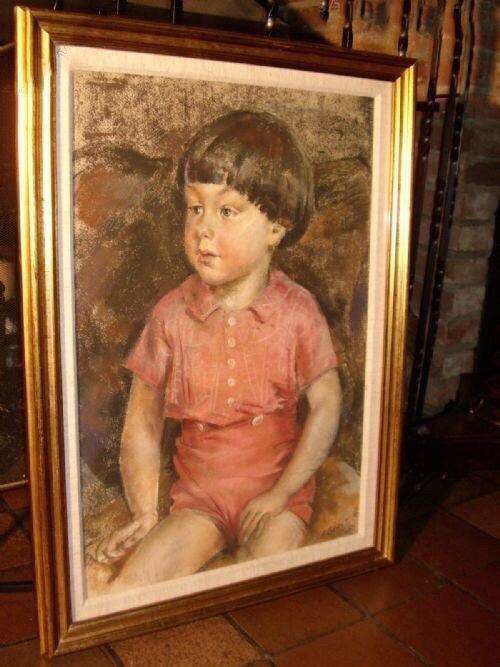
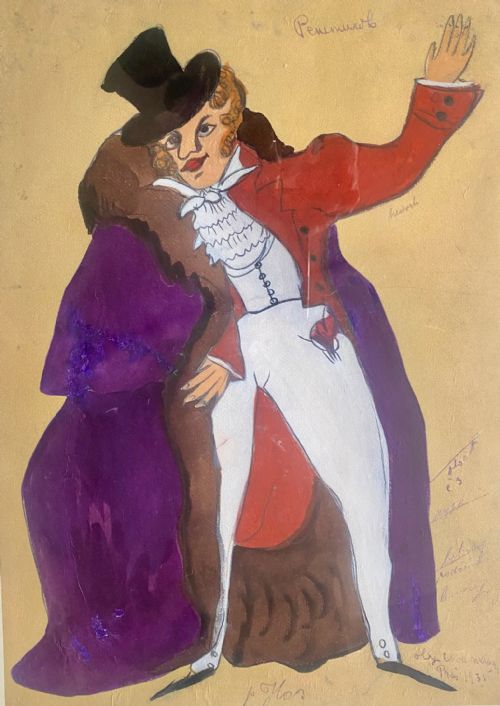


Gouache Portrait Art
Gouache portrait art brings together opaque pigments and delicate works on paper to capture character across the nineteenth and twentieth centuries.
Gouache Portrait Art
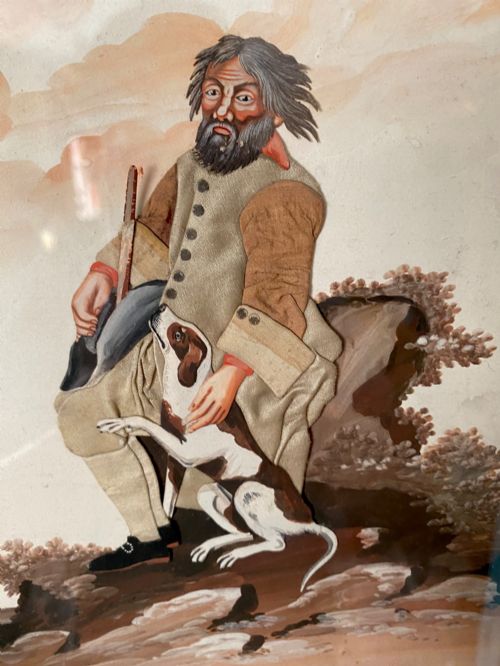
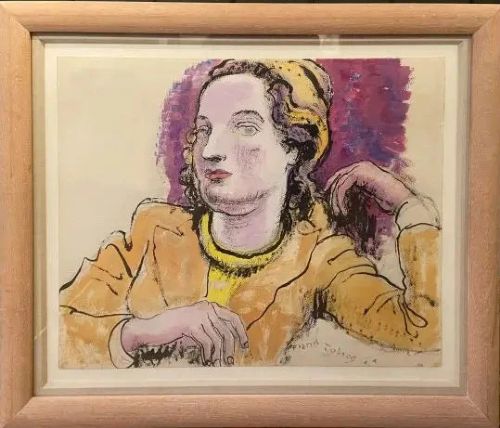
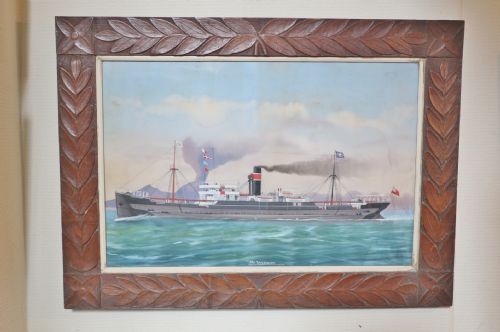
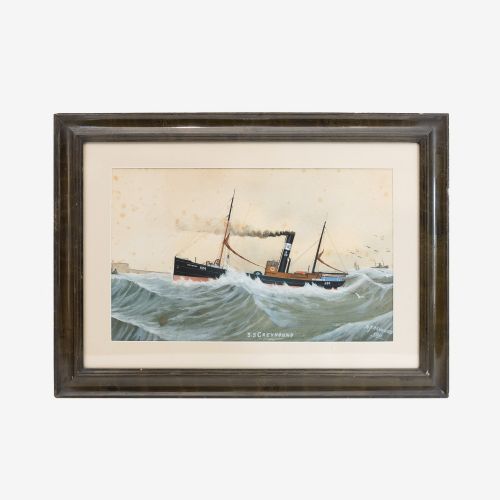
When you search for gouache portrait art, you encounter works on paper that combine bodycolour with watercolour, pencil, ink, and pastel. The selections span nineteenth-century realism, Victorian studies, Edwardian maritime scenes, Art Deco compositions, and mid-century modern depictions.
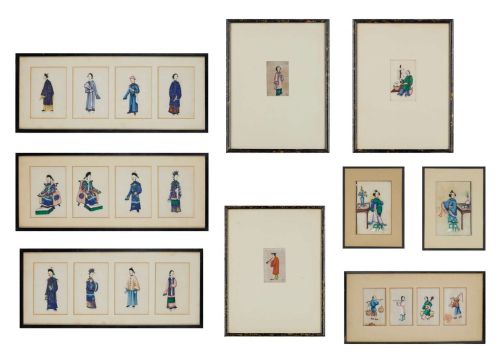
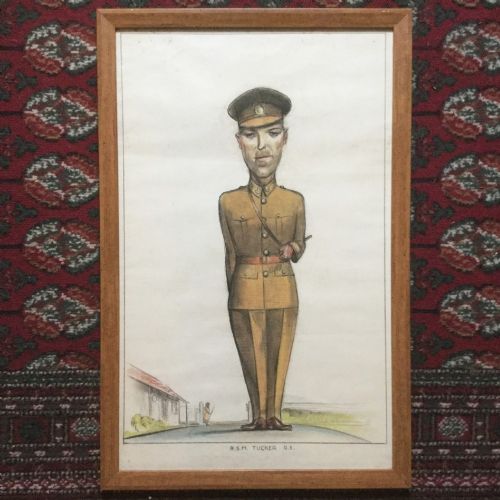
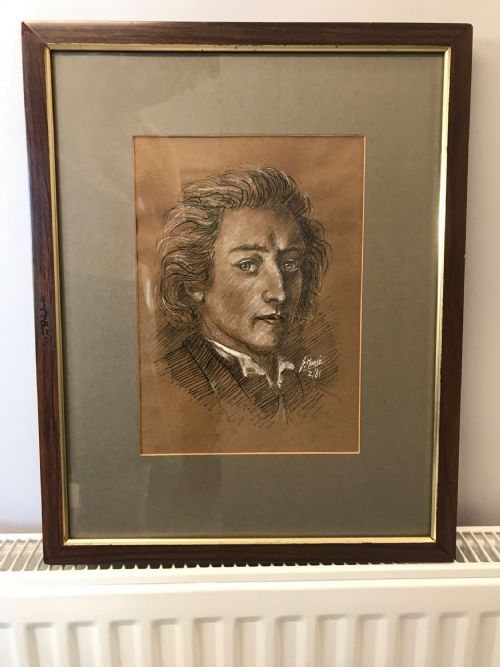
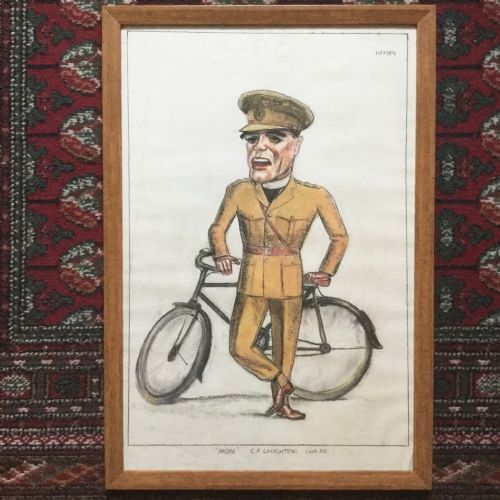
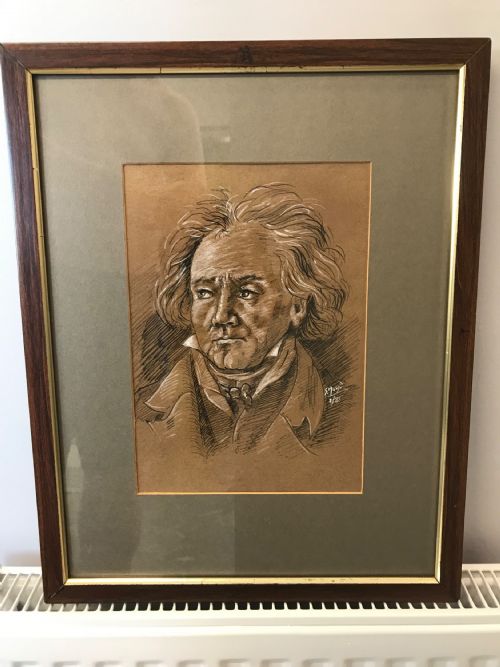
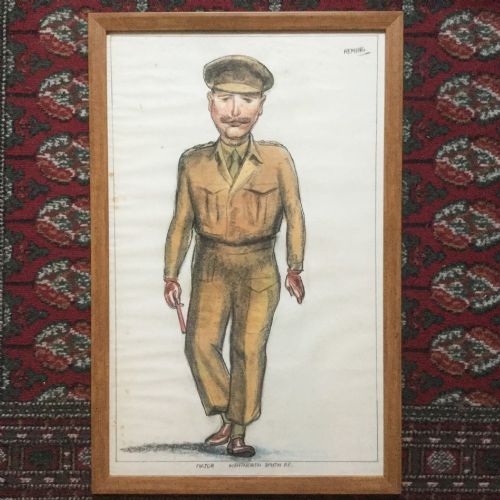
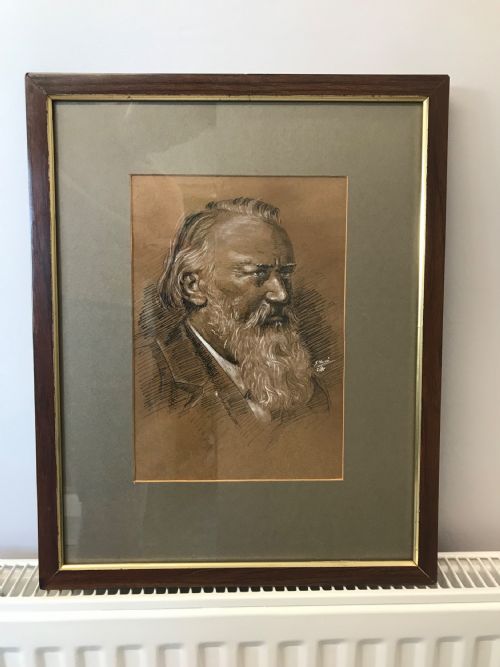
You will find Chinese pith paper paintings, Indian miniatures, and wartime sketches alongside formal depictions of composers, officers, and female models. Framed drawings and fine art paintings dominate the range, housed in wood frames behind glass.
The pieces stretch from the early nineteenth century through the decades of the 1910s, 1920s, 1930s, 1940s, and 1950s into works produced later than 1960. They record subjects as varied as military personnel, musicians, sitters with springtime flowers, and avant-garde figures.
How they were made
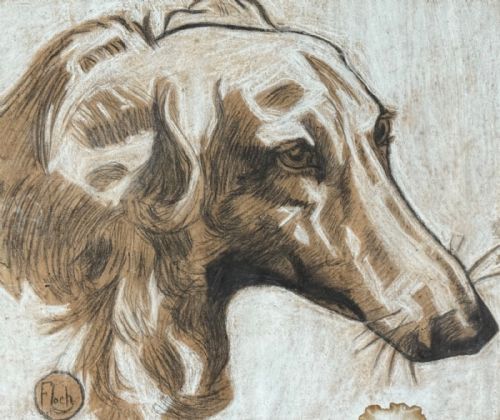
Artists utilise gouache for its opacity, layering the water-based pigment over pencil, ink wash, or pastel on paper surfaces such as buff paper and rice paper. This technique allows for dense, matte colour alongside finer linear details rendered in pen or graphite.
Many works incorporate watercolour to soften transitions while reserving gouache for highlights and solid areas of tone. Pith paintings rely on the delicate cellular structure of plant pith rather than traditional wood-pulp paper.
Framing materials typically involve wood, frequently with burr maple or ornate period surrounds, protecting the fragile paper supports beneath glass.
Gouache Portrait Art Retail Price Guide 2026
Typical asking prices for gouache portrait art among the pieces listed under this phrase on Sellingantiques today, from the lower quarter to the upper quarter. They describe what is for sale here now, not the wider market.
Listings span periods from the nineteenth century through the 1980s, utilising materials including gouache, paper, wood, glass, watercolour, ink, pastel, and pencil.
What varies in quality
Quality rests upon the sureness of the draughtsmanship beneath the pigment and the skilful handling of opacity versus translucency. Stronger pieces demonstrate confident control of line in pencil, pen, or ink before the gouache is applied.
The harmony between the framing and the period of the artwork influences the overall integrity of the piece.
Frank Dobson·Frédéric Chopin·Ludwig van Beethoven·Johannes Brahms·J.A.Grant·Major Wentworth Smith·Padre C.F.Laughton·R.S.M.Tucker·Alexander Harwood·Olga Choumansky·Vincenzo D'Esposito·Alice Anne Renshaw·Courbet·Emma Kendrick·Montagu Barstow·Dame Laura Knight·Archille Zavatta·Josiah Gilbert
The Gouache Portrait Art Glossary
- Gouache
- An opaque water-based paint consisting of pigment, water, and a binding agent such as gum, sometimes called bodycolour. It dries to a smooth, matte finish that covers underlying layers.
- Pith paper
- A fragile material prepared from the cellular pith of the Tetrapanax papyrifer plant, commonly used in nineteenth-century Chinese export paintings. It accepts gouache with a luminous, velvety effect.
- Buff paper
- A pale brownish-yellow paper stock used frequently for twentieth-century drawings and sketches. It provides a neutral mid-tone background that allows gouache highlights to stand out sharply.
- Wash
- A thin, fluid layer of diluted ink or watercolour applied across paper to establish shadow or tone. It often serves as the foundational underdrawing for gouache details.
- Bodycolour
- An older term for gouache or watercolour rendered opaque through the addition of a white pigment like chalk. It gives substance and weight to painted highlights.
Gouache Portrait Art: Frequently Asked Questions
What is gouache portrait art?
Gouache portrait art consists of works on paper executed in opaque water-based pigments, often combined with pencil, ink, or pastel to depict human subjects. These pieces capture sitters ranging from nineteenth-century classical figures to twentieth-century military officers and performers.
The medium allows artists to build solid areas of colour alongside fine linear details, creating works that bridge drawing and painting.
How should I frame and display these?
These works require framing behind glass to protect the delicate paper supports, pith, and water-soluble pigments from airborne dust and moisture. Because light can fade pigments over time, position them away from direct sunlight.
Matching the period of the frame to the era of the artwork helps preserve its historical character while securing the piece safely.
How do I date a gouache portrait?
Dating relies upon stylistic markers such as clothing, hair styling, framing materials, and signatures or inscriptions left by the artist. Twentieth-century works often reflect movements like Art Deco or mid-century modernism, while nineteenth-century pieces show Victorian or Regency conventions.
Comparing the paper type and handling of the medium with documented examples from specific decades aids in narrower attribution.
How do I care for works on paper?
Care involves maintaining stable indoor humidity and temperature levels to prevent the paper from warping or the pigments from flaking. Keeping the artwork away from heat sources and direct sunlight preserves the original tones of the gouache.
Professional framing with acid-free backing materials ensures the longevity of fragile supports such as pith paper or nineteenth-century stock.