


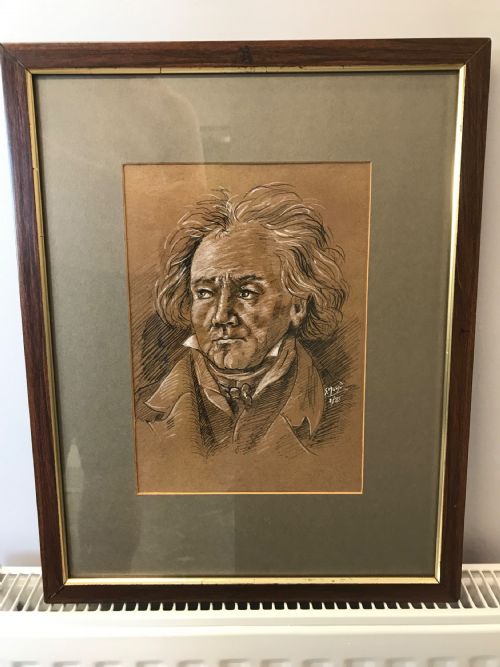
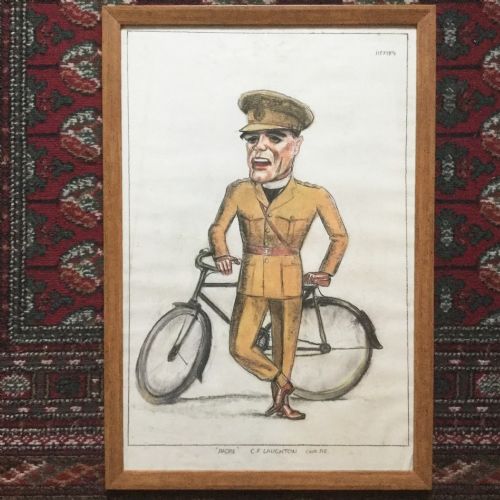
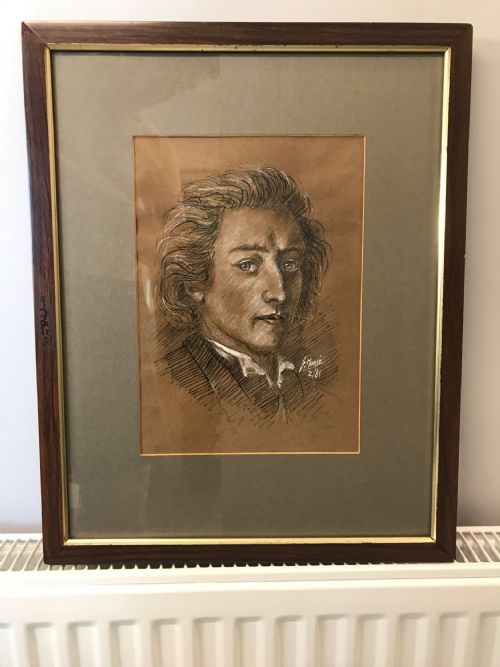
Gouache on Paper
Gouache on paper brings together opaque water-based pigments and delicate supports to create works ranging from 18th-century botanical studies to mid-century abstract landscapes.
Gouache on Paper
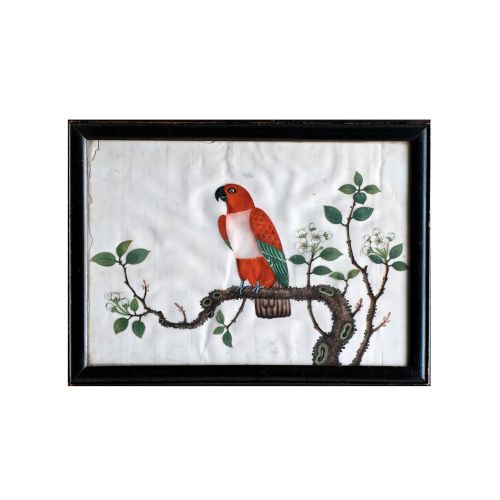
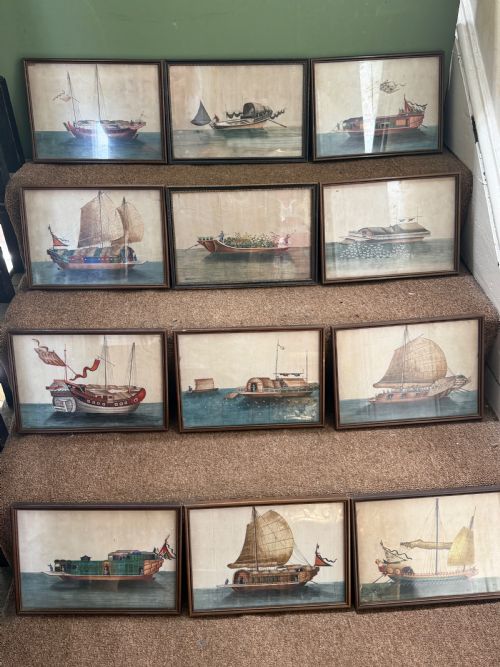
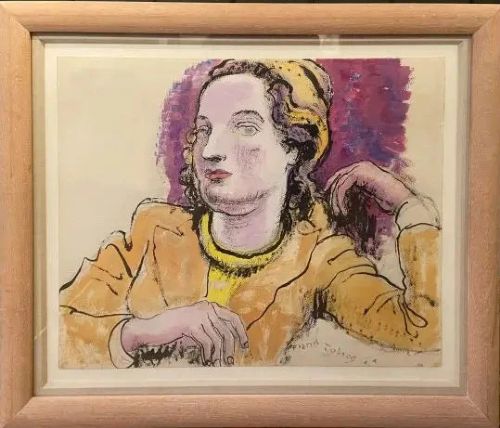
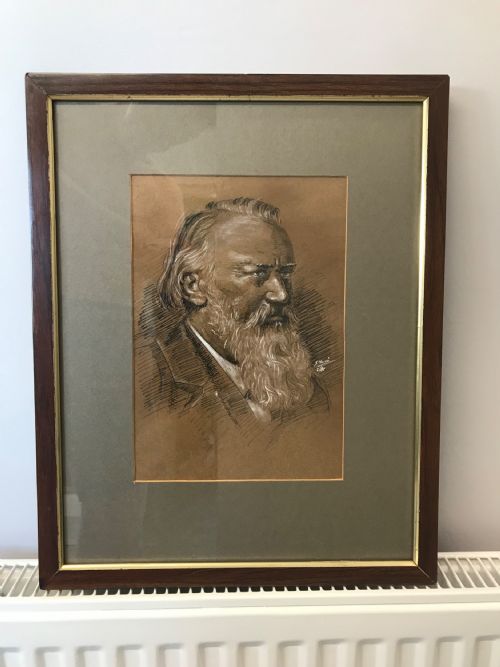
Gouache on paper spans centuries of international image-making, capturing everything from detailed portraits to expansive maritime views. When exploring these works, you encounter categories such as Chinese export pith paintings, Neapolitan coastal scenes, and modernist European compositions.
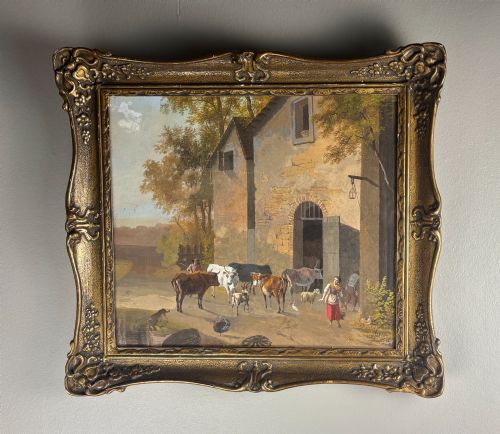
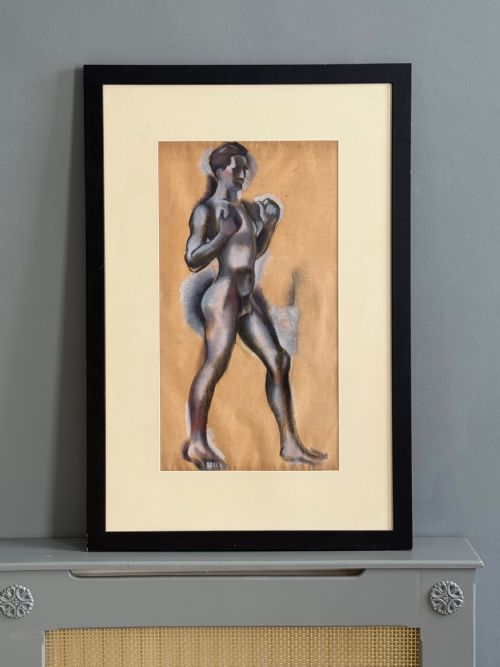
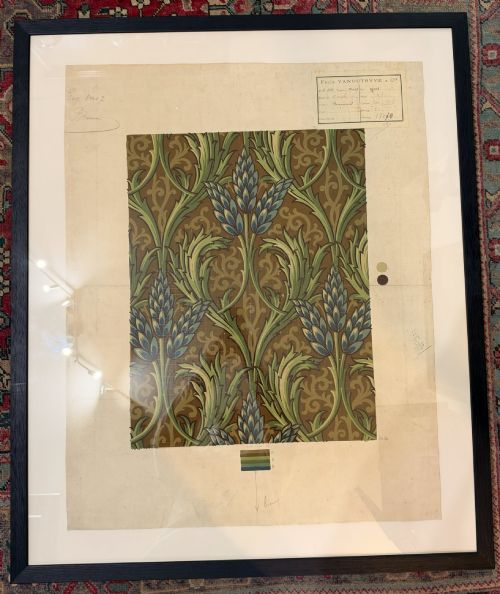
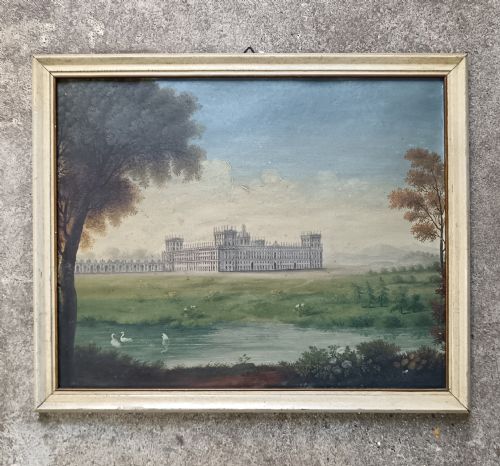
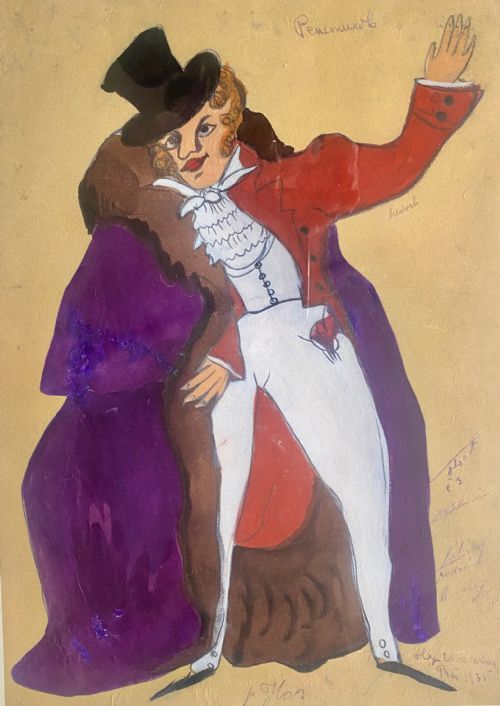
The selection frequently includes framed paintings and drawings alongside individual sheets and coordinated sets. Examples extend from early 19th-century landscapes and theatrical figures to vibrant mid-century abstracts and traditional Indian miniatures.
The material origins stretch across diverse global traditions, uniting European academic studies with Asian export workshops and Persian court styles. Each piece relies on the specific handling of water-soluble paint upon a fragile ground.
How they were made
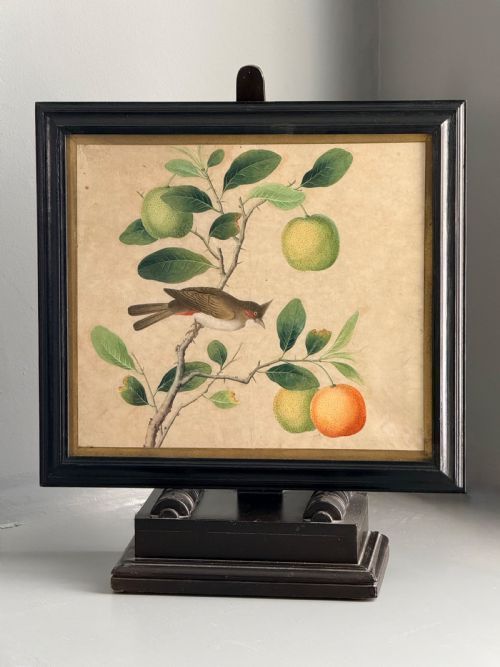
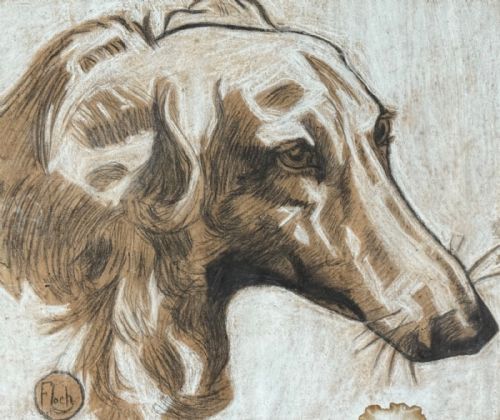
These works rely primarily on gum-bound opaque watercolour applied to paper, pith paper, or occasionally silk. Artists often combined gouache with pen, ink, pencil, wash, or pastel to build up dense colour fields and fine linear details.
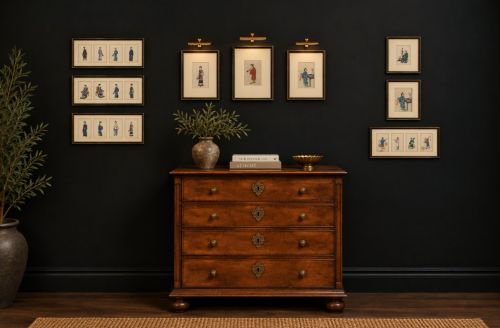
Pith paper, frequently used in 19th-century Chinese export works, provides a soft, cellular surface that absorbs pigments differently than standard cellulose paper. Framed pieces are protected behind glass within wood or moulded frames appropriate to their period.
Gouache on Paper Retail Price Guide 2026
Typical asking prices for gouache on paper among the pieces listed under this phrase on Sellingantiques today, from the lower quarter to the upper quarter. They describe what is for sale here now, not the wider market.
Materials recorded across the selection include gouache, pith paper, pastel, ink, glass, and wood.
What varies in quality
Quality in these works rests upon the precision of the brushwork, the vibrancy of surviving pigments, and the integrity of the support. Masterly control of opaque washes allows for sharp contrasts and intricate details that elevate a composition.
Condition plays a major role, as works on paper are sensitive to light and moisture. Superior examples retain their original colour intensity without excessive fading or foxing, housed securely within period frames or mounts.
Karel Dujardin·Frank Dobson·Dame Laura Knight·Reginald Mills
The Gouache on Paper Glossary
- Gouache
- An opaque water-based paint made from ground pigments bound in water-soluble gum, offering a matte finish when dry.
- Pith paper
- A delicate material cut from the pith of the Tetrapanax papyrifer plant, commonly used for 19th-century Chinese export watercolours.
- Chinese Export
- Goods produced in China specifically for Western markets, often depicting local ships, figures, and harbour views.
- Neapolitan
- Pertaining to Naples, frequently describing 19th-century gouache views of the local bay, shipping, and volcanic eruptions.
- Miniature painting
- A small, highly detailed work, often associated with Persian, Mughal, or Indian traditions executed on paper.
Gouache on Paper: Frequently Asked Questions
What is gouache paint?
Gouache is a water-based medium containing pigment, a binding agent like gum arabic, and an inert white pigment to make it opaque. This opacity allows artists to paint light colours over dark ones.
Unlike traditional transparent watercolour, gouache dries to a smooth, matte finish that reflects light evenly across the paper surface.
How should I frame these works?
Works on paper require conservation framing to protect them from environmental damage over time. Using acid-free mounts ensures the paper does not touch the glazing directly.
Keeping the artwork away from direct sunlight prevents the gouache pigments and paper supports from fading or yellowing.
How do I identify a period?
Dating relies on stylistic clues, framing methods, paper types, and subject matter. For example, export paintings from Chinese workshops often follow specific 19th-century conventions.
Examining the reverse of the paper or the backing board frequently reveals historical inscriptions, stamps, or labels that confirm the era.