

Gothic Style Furniture
Gothic style furniture brings medieval architectural form into domestic interiors through heavy timber work and pointed arches.
Gothic Style Furniture
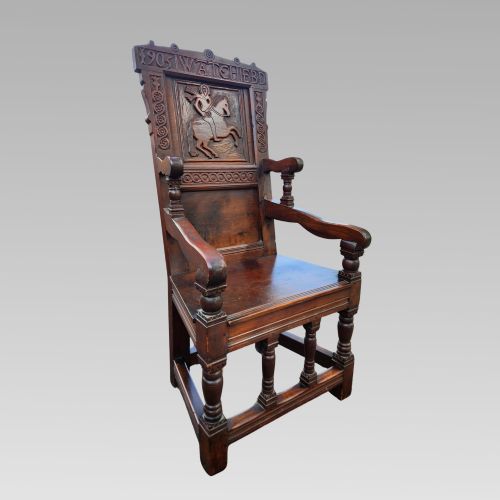
Gothic style furniture encompasses heavy timber seating, cabinets, and tables rooted in medieval architectural traditions. Buyers searching for this aesthetic encounter pieces spanning the nineteenth century alongside earlier examples.
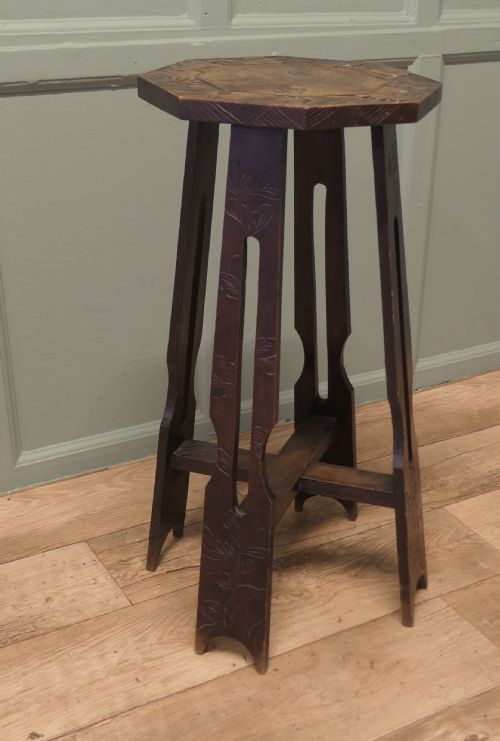
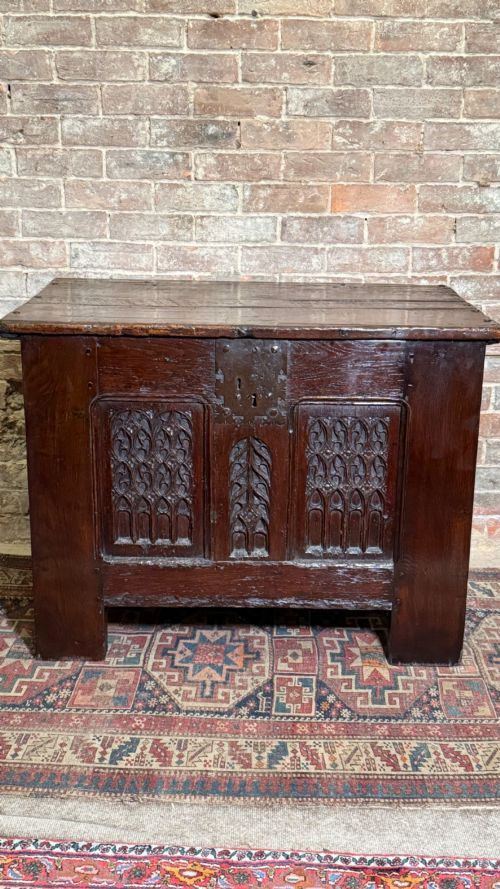
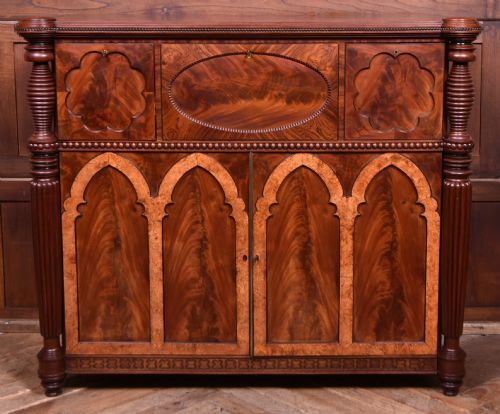
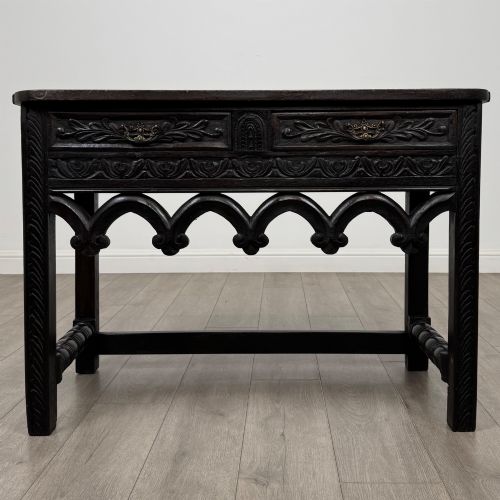
Makers often drew inspiration from church architecture, incorporating trefoils, pointed arches, and linenfold panelling into domestic items. These objects suit hallways, libraries, and principal living spaces.
Materials and construction
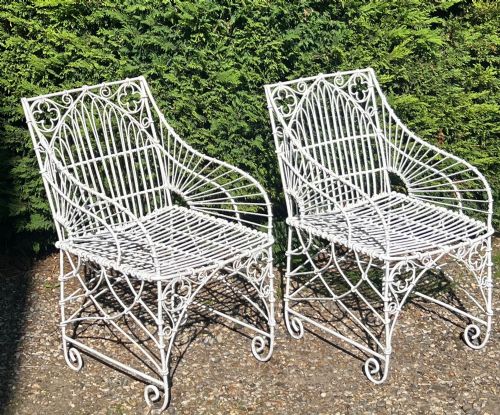
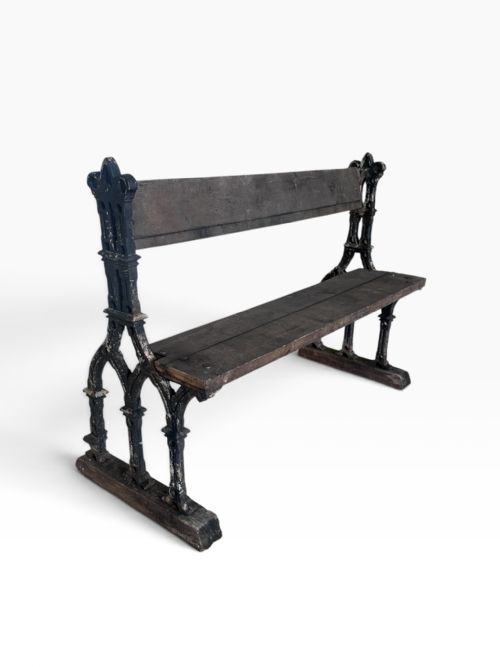
Makers relied primarily on solid oak, walnut, and pitch pine, often chosen for strength and grain pattern. Iron, cast iron, and brass appear in hardware, brackets, and garden seating.
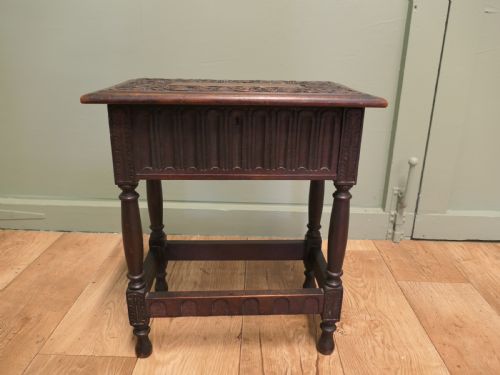
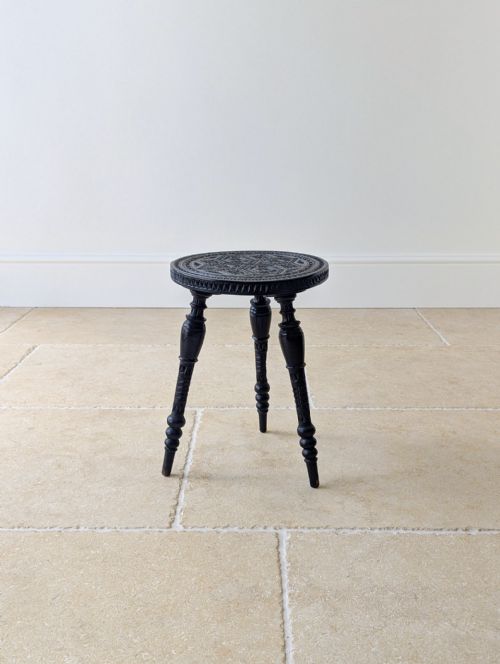
Carpenters utilised traditional jointing methods alongside chip carving, relief carving, and turned elements. Ebonised finishes and paint were also applied to achieve specific decorative effects.
Gothic Style Furniture Retail Price Guide 2026
Typical asking prices for gothic style furniture among the pieces listed under this phrase on Sellingantiques today, from the lower quarter to the upper quarter. They describe what is for sale here now, not the wider market.
A Victorian dog kennel sits comfortably among the heavy oak cupboards and church lecterns.
Judging quality
Quality rests in the depth and sharpness of the carving rather than surface decoration alone. Hand-carved trefoils and tracery show precision, whereas mechanical routing appears flat and uniform.
The choice of timber dictates durability, with dense quarter-sawn oak holding crisp details better than softer woods. Original hardware, tight joints, and uncompromised structural timber separate standard production from finer workshop output.
Gillows·George Edmund Street·Liberty & Co.·James Winter & Sons·Coalbrookdale
The Gothic Style Furniture Glossary
- Trefoil
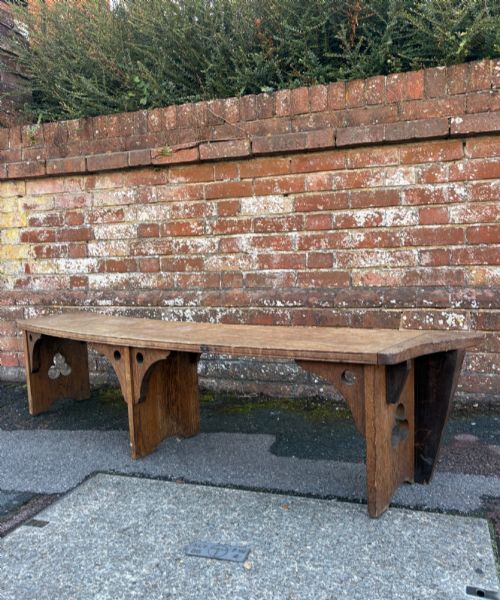
- A three-lobed ornamental design resembling clover leaves, frequently pierced through wooden backs and supports. This motif derives directly from Gothic stone window tracery.
- Crenellated
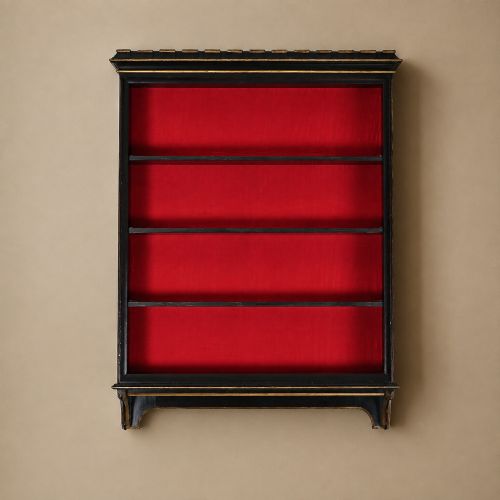
- Having battlements, forming a indented parapet along a cornice or shelf. This architectural detail mimics castle fortifications.
- Ebonised
- Wood finished with a dark stain or black paint to imitate ebony. This treatment was popular during the Victorian era for dramatic contrast.
- Pitch pine
- A resinous durable softwood utilised in ecclesiastical furniture and heavy seating. Its distinct grain pattern darkens richly over time.
- Joint stool
- A sturdy low wooden stool constructed with mortise and tenon joints rather than turned legs. These items served multiple domestic functions in earlier periods.
Gothic Style Furniture: Frequently Asked Questions
What defines Gothic style furniture?
These pieces borrow heavily from medieval ecclesiastical and architectural design. They incorporate pointed arches, linenfold panelling, and robust timber construction.
Craftsmen translated stone cathedral motifs into domestic objects like hall stands, bookcases, and tables during various nineteenth-century revival movements.
How do I place these in a modern room?
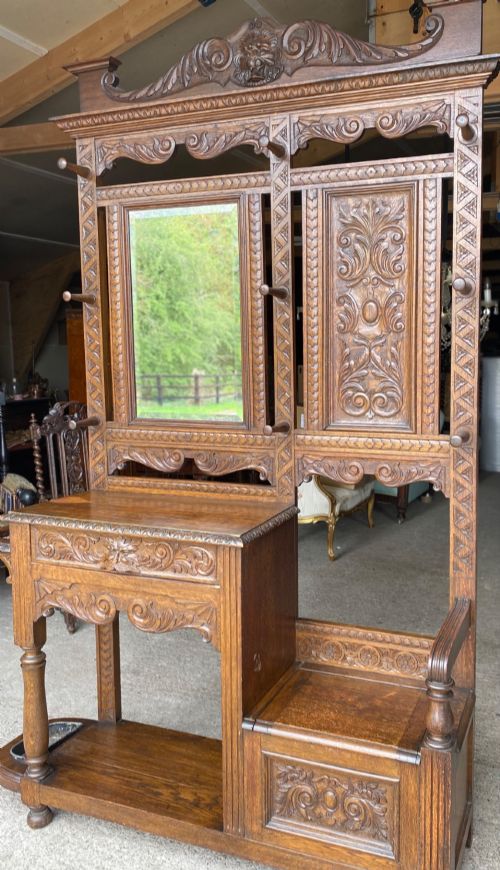
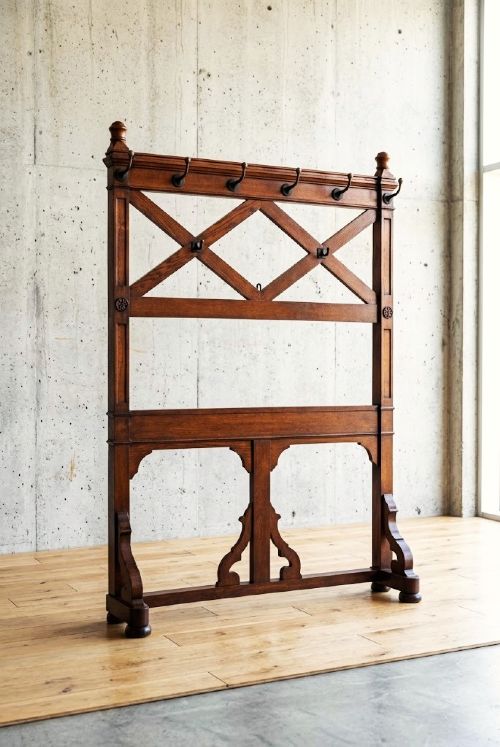
The heavy presence of oak and iron anchors a room effectively. Pair a carved hall stand or bench with neutral walls to let the timber work stand out.
Smaller items like side tables and occasional chairs integrate easily beside contemporary upholstery without overwhelming the floor space.
How do I spot a Victorian revival piece?
Victorian revival examples from the nineteenth century display machine assistance alongside hand carving. Look at the timber preparation and the consistency of the joints.
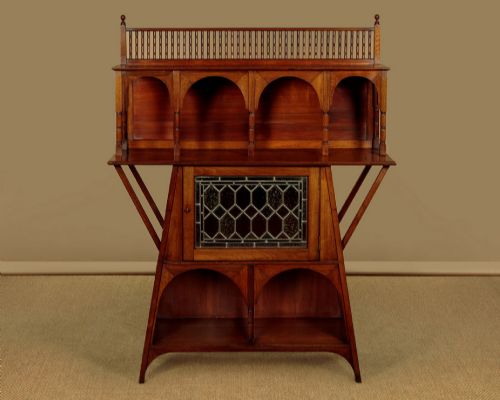
Stylistic cues often mix Gothic tracery with Arts and Crafts simplicity, distinguishing them from medieval originals.
What is the difference between ecclesiastical and domestic pieces?
Ecclesiastical pieces were made for churches, utilising pitch pine or heavy oak with overtly religious motifs like lecterns and throne chairs.
Domestic versions adapt those same architectural arches and linenfold panels for everyday household utility in hallways and libraries.