



Gothic Style Dining Table
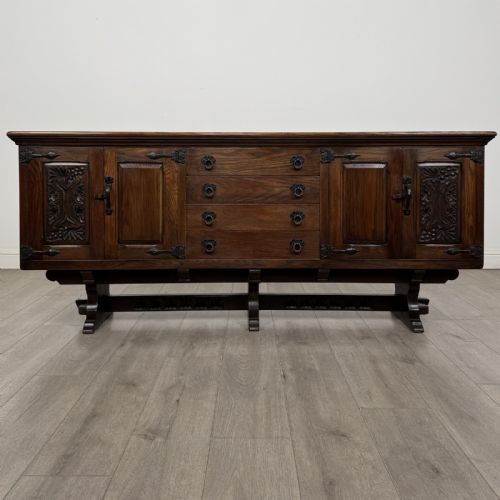
These gothic style dining table examples bring solemn architectural presence and robust timber construction straight into a modern interior.

How they were made
Makers relied primarily on solid oak, utilising its dense grain and strength to support long refectory and trestle designs. Mahogany also appears, offering a smoother surface and darker natural tone suited to formal dining rooms. Artisans employed traditional jointing methods to ensure the heavy tops remained stable over centuries of daily use.
Surface treatment ranges from dark polished finishes to bleached oak treatments that lighten the timber's appearance. Construction often incorporates stretcher bases and thick table tops designed to withstand heavy weight without warping. Every component reflects a commitment to manual carpentry and structural endurance.
What varies in quality
The distinction between standard commercial production and finer work lies in the depth of the carving and the selection of timber. Superior examples exhibit carefully chosen oak grain and crisply executed architectural details rather than machine-stamped decoration. The proportion of the base to the top dictates visual balance and overall presence.
Another measure of quality involves the integrity of the timber movement accommodation and the firmness of the stretcher assembly. Better tables maintain tight joints and stable surfaces despite fluctuations in humidity and temperature. This structural soundness ensures the piece functions reliably as a central dining surface.
Gothic Style Dining Table Retail Price Guide 2026
Typical asking prices for gothic style dining table among the pieces listed under this phrase on Sellingantiques today, from the lower quarter to the upper quarter. They describe what is for sale here now, not the wider market.
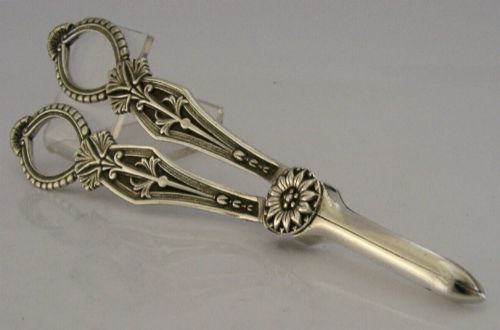
One unexpected barware entry proves that even Victorian grape scissors could not escape the heavy pull of medieval gothic design.
Sir Robert Lorimer
The Gothic Style Dining Table Glossary
- Refectory table
- A long, narrow dining table traditionally used in monasteries and large institutions. This form provides the structural backbone for many heavy oak dining tables.
- Trestle table
- A table supported by two or more vertical frames connected by a horizontal beam. This design maximises legroom along the length of the table.
- Gothic Revival
- An architectural and decorative movement that revived medieval forms from the mid-eighteenth century onwards. It heavily influences the pointed arches and carved tracery seen on these tables.
- Bleached oak
- Oak timber treated with a chemical agent to lighten its natural colour. This treatment softens the heavy visual weight traditionally associated with dark medieval revival furniture.
Gothic Style Dining Table: Frequently Asked Questions
What is a gothic style dining table?
A heavy wooden dining table inspired by medieval architecture and nineteenth-century revival movements. These tables typically feature robust oak timbers, refectory bases, and architectural carvings.
They serve as focal points in large dining rooms, combining historical design with everyday utility.
How do I date a gothic style dining table?
Dating relies on examining the timber grain, tool marks, construction joints, and stylistic clues. Nineteenth-century examples often display machine-assisted sawn timber alongside hand-finished joinery.
Comparing the specific revival style, such as Arts and Crafts or Victorian Gothic, helps narrow down the period.
Will a gothic style table fit a modern interior?
These tables anchor contemporary spaces by introducing rich textures and historical character. Bleached oak variants lighten the visual impact for simpler modern settings.
Pairing the table with understated seating allows the architectural base and timber grain to stand out.
What maintenance does an oak refectory table need?
Solid oak requires regular dusting and occasional treatment with suitable wax or oil to nourish the timber. Avoiding direct sunlight and sudden temperature changes prevents the wood from drying out.
Using mats protects the surface from moisture and heat during daily dining use.