

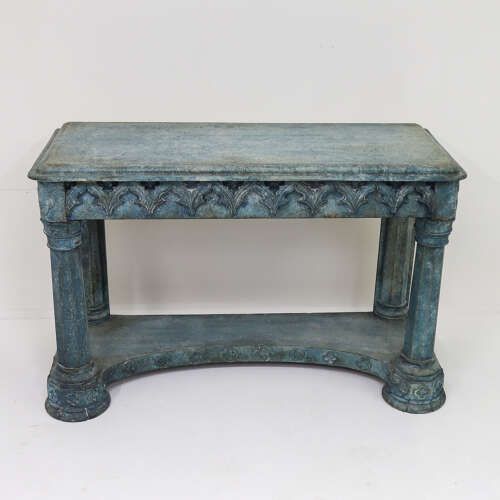


Gothic Server Table
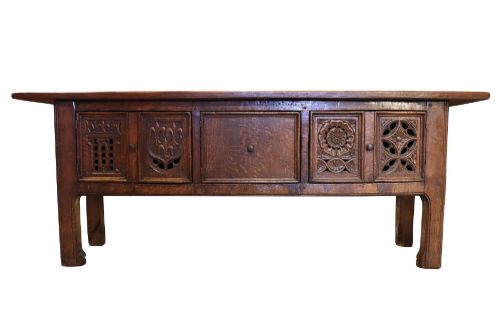
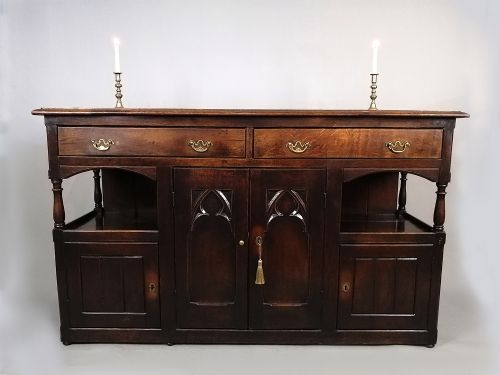
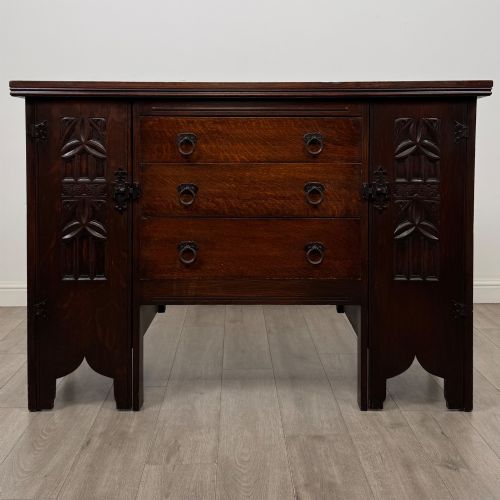
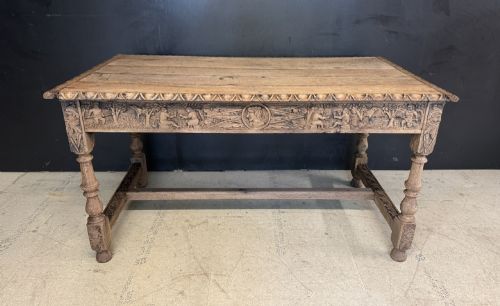
A gothic server table combines medieval architectural motifs with domestic utility, offering heavy timber construction and dark ecclesiastical character.
Gothic Server Table
A gothic server table provides a robust surface for display and storage in dining rooms and halls, drawing on medieval architectural forms. These items appear across the nineteenth century and into the Edwardian era, spanning the Victorian period and earlier revivals.
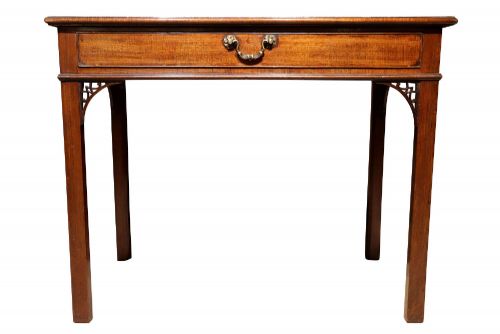
The material record is dominated by oak, supplemented by pitch pine, mahogany, painted wood, and walnut. Forms range from console tables and side tables to serving tables, buffets, and dresser bases with carved details.
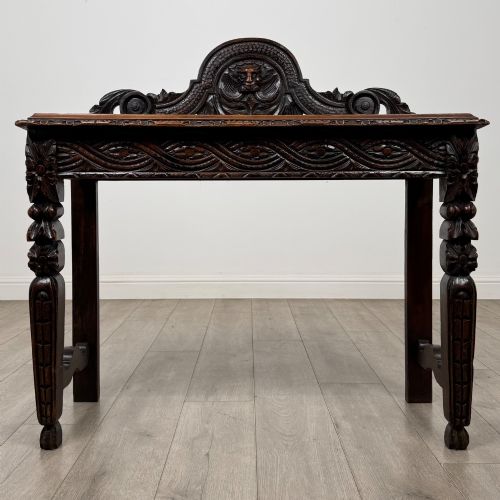
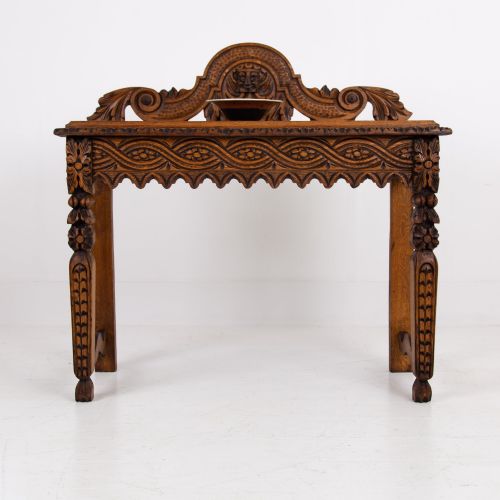
Buyers meet examples executed in various revivals, including Gothic Revival, Jacobean Revival, and Renaissance Revival. Pieces often incorporate specific decorative elements such as Green Man carvings or pierced brackets.
What varies in quality
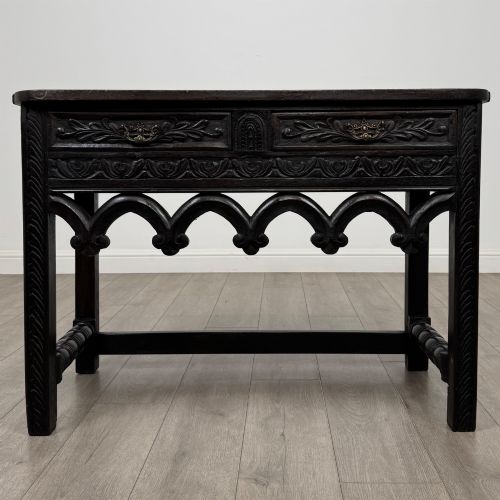
The depth and crispness of the hand carving separate standard commercial items from exceptional works. Finer examples display intricate tracery and robust proportions without appearing clumsy.
The selection of timber grain and the integrity of the joinery dictate the longevity and visual weight of the piece. Superior examples utilise well-seasoned oak or walnut that retains stability over centuries.
Stare closely at the foliage; a Green Man often peers back from the oak carvings.
PHILLIPS BRISTOL
The Gothic Server Table Glossary
- Gothic Revival
- An architectural and decorative style drawing inspiration from medieval ecclesiastical buildings. It influences nineteenth-century furniture through pointed arches and heavy relief carving.
- Dresser Base
- A low sideboard or serving unit featuring drawers or cupboards beneath a wide top surface. These forms provide substantial storage in dining spaces.
- Green Man
- A sculptural motif representing a human face entwined with foliage or vines. This symbol appears frequently on nineteenth-century oak furniture.
- Pitch Pine
- A resinous softwood utilised for robust nineteenth-century furniture frames and tables. It offers distinct grain patterns and structural strength.
- Console Table
- A table designed to stand against a wall, sometimes supported by brackets or legs at the front only. These pieces function in halls and reception rooms.
Gothic Server Table: Frequently Asked Questions
Where should I place a gothic server table?
These tables suit dining rooms, hallways, and living spaces where their architectural presence can be appreciated. Their narrow proportions often allow them to function effectively in entrance halls.
Position them against a flat wall to support lamps, ceramics, or serving dishes while displaying their carved underframes and timber grain.
What is the difference between a server and a console table?
A server table typically provides a longer, sturdier surface intended for holding food or tableware during dining. Console tables are generally shallower and designed primarily for display against a wall.
Both forms appear frequently within the nineteenth-century Gothic taste, utilising matching timbers and architectural carving.
Are these tables suitable for everyday use?
Solid timber construction and heavy framing make these tables durable for daily domestic tasks. Oak and pitch pine surfaces withstand regular household activity when treated with basic care.
Routine maintenance involves dusting with a dry cloth and avoiding excessive moisture on unsealed wood surfaces.