



Gothic Revival Shelving
Gothic revival shelving brings architectural verticality into a room, offering sturdy timber housing for books and display with sharp lancet lines.
Gothic Revival Shelving
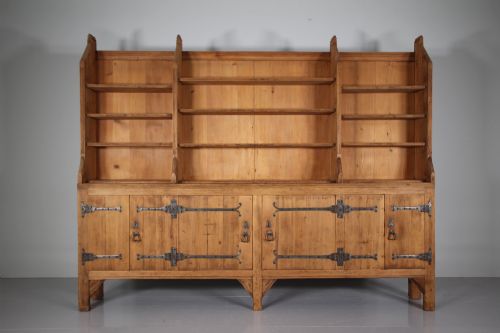
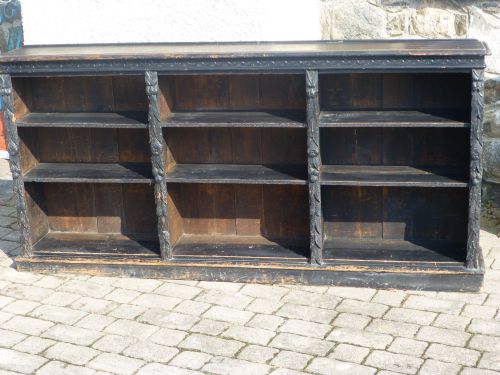
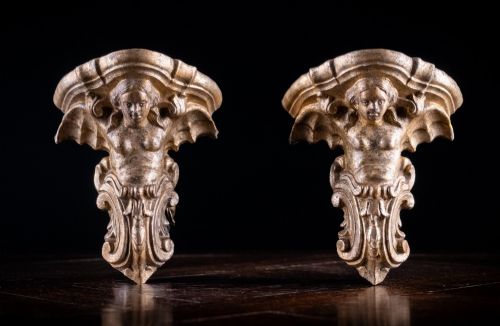
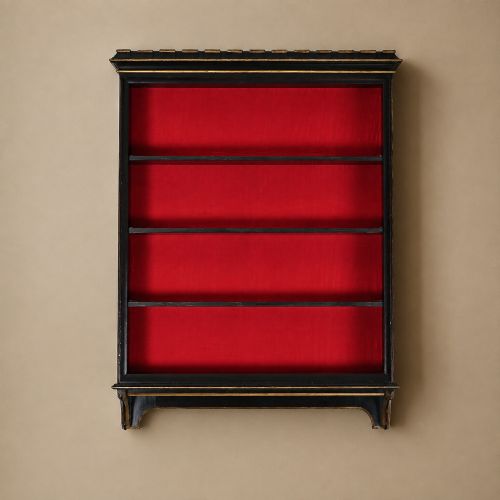
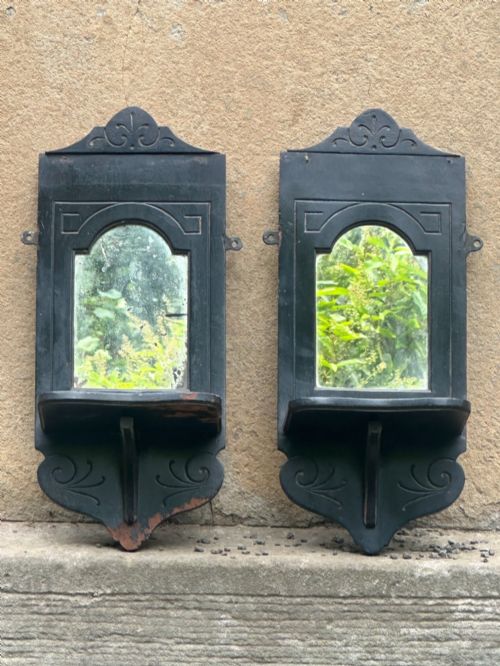
When you search for gothic revival shelving, you are looking at nineteenth-century furniture that adapts medieval ecclesiastical architecture into domestic storage. These pieces range from compact hanging wall brackets to tall standing bookcases and cabinets.
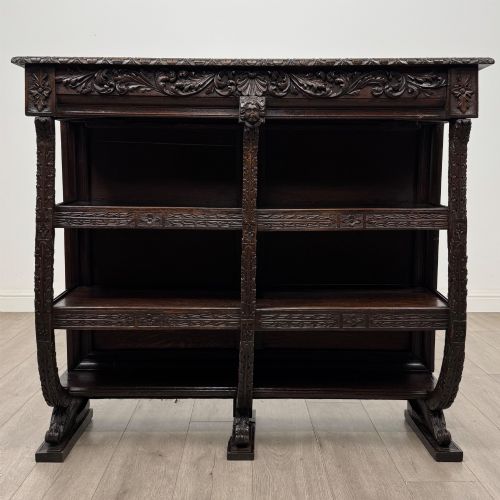
The most common examples encountered on this page are open-front bookcases and wall shelves built from solid oak or ebonised wood. They borrow heavily from church joinery, featuring pointed arches, tracery, and occasionally carved motifs.
Originating predominantly in the Victorian era, these items reflect a widespread fascination with medieval design revival. They serve both practical book storage and decorative display functions within domestic interiors.
Materials and Technique
Makers relied heavily on solid oak, mahogany, and pine, often utilising ebonised finishes to mimic heavier, older ebony woods. Beech, satin birch, and limewood also appear in specific structural and decorative elements.
Joinery techniques combined traditional framing with elaborate hand-carved ornamentation, such as green man masks and architectural fretwork. Brass hinges, glass panels, and iron brackets provided functional support and visual contrast against the dark timbers.
Gothic Revival Shelving Retail Price Guide 2026
Typical asking prices for gothic revival shelving among the pieces listed under this phrase on Sellingantiques today, from the lower quarter to the upper quarter. They describe what is for sale here now, not the wider market.
The furniture styles span the Victorian era, encompassing Aesthetic Movement and Arts and Crafts influences.
Craftsmanship and Proportion
Quality rests in the crispness of the architectural carving and the selection of timber grain. Superior pieces display deeply undercut tracery and tight, enduring joinery that withstands heavy loads of books.
The distinction between standard utility furniture and finer cabinet-making lies in the integration of design details like adjustable shelving systems and secondary woods. Proportion and balance separate workshop pieces from master-designed commissions.
George Edmund Street·Cottier and Co·Richard Bridgens·Gillows
The Gothic Revival Shelving Glossary
- Tracery
- Openwork ornamentation resembling Gothic window patterns, often carved into wooden panels or galleries. It gives these shelves their distinct ecclesiastical character.
- Ebonised
- Wood stained or painted black to imitate ebony. This finish was popular for achieving stark, dramatic contrasts in nineteenth-century interiors.
- Green Man
- A carved motif representing a face sprouting from foliage, frequently found on Victorian oak furniture. It symbolises rebirth and the cycle of nature.
- Fretwork
- Ornamental design created by cutting patterns through thin boards with a scroll saw. It adds delicate, lace-like borders to hanging shelves.
- Breakfront
- A piece of furniture where the central section projects forward from the sides. This technique breaks up the flat facade of larger bookcases.
Gothic Revival Shelving: Frequently Asked Questions
Are the shelves adjustable?
Many nineteenth-century bookcases feature adjustable shelving systems supported by wooden ratchets or metal pins. This allows you to customise shelf heights for varying book sizes.
Non-adjustable variants are typically fixed into the vertical sides with sturdy housing joints. Inspect the interior walls of the bookcase to identify which system is present.
How do I clean ebonised wood?
Dust ebonised surfaces regularly with a soft, dry cloth to prevent particle buildup. Avoid modern chemical sprays that can strip or dull the historic black finish.
Applying a microcrystalline wax occasionally will protect the timber and maintain its subtle sheen. Keep these pieces away from direct sunlight to prevent fading.
What rooms suit gothic revival shelving?
These pieces fit naturally into studies, libraries, and living rooms where books and curiosities are displayed. Their dark timbers and vertical lines anchor a room with strong architectural presence.
Pairing them with neutral walls allows the intricate carvings and tracery to stand out. Smaller wall brackets work well in hallways or above desks.