

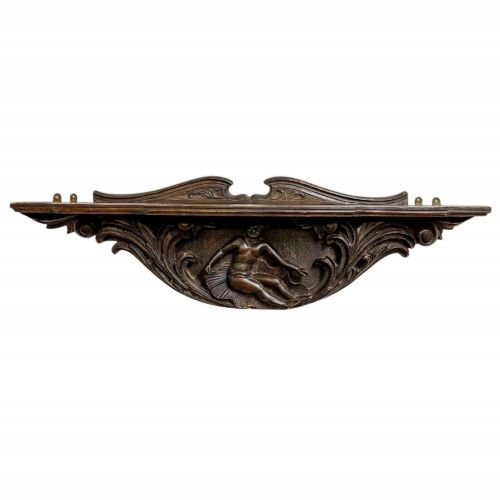


Gothic Revival Shelf
These gothic revival shelf pieces bring architectural timber and pointed arches into domestic rooms, offering both display space and period character.
Gothic Revival Shelf
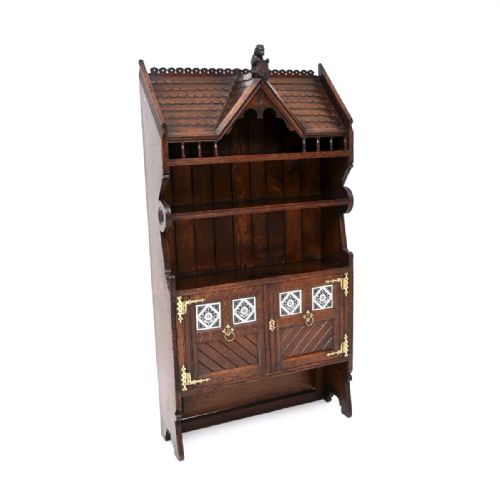
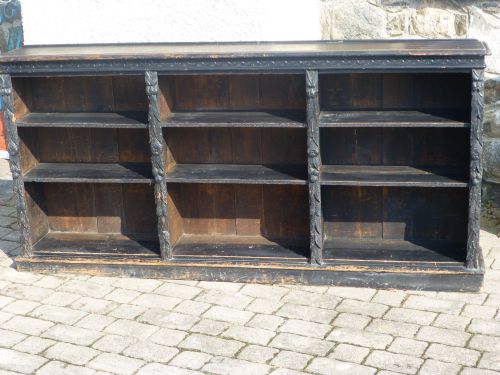
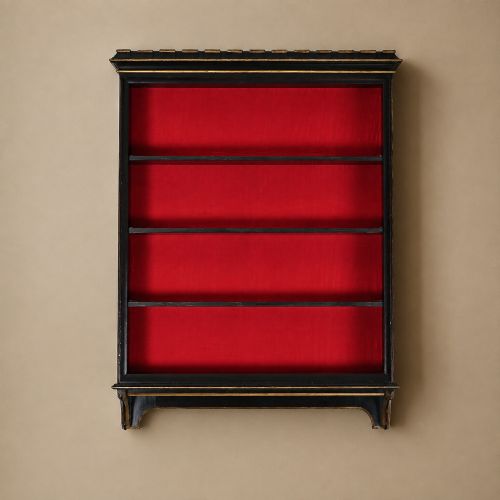
A gothic revival shelf combines the heavy architectural forms of medieval buildings with the practical storage needs of nineteenth-century rooms. These pieces appear most often as wall-mounted brackets, hanging shelves, or open bookcases in oak, walnut, and ebonised wood.
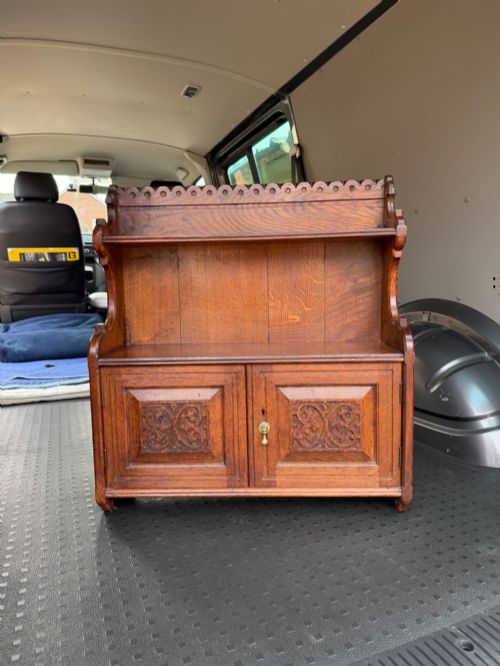
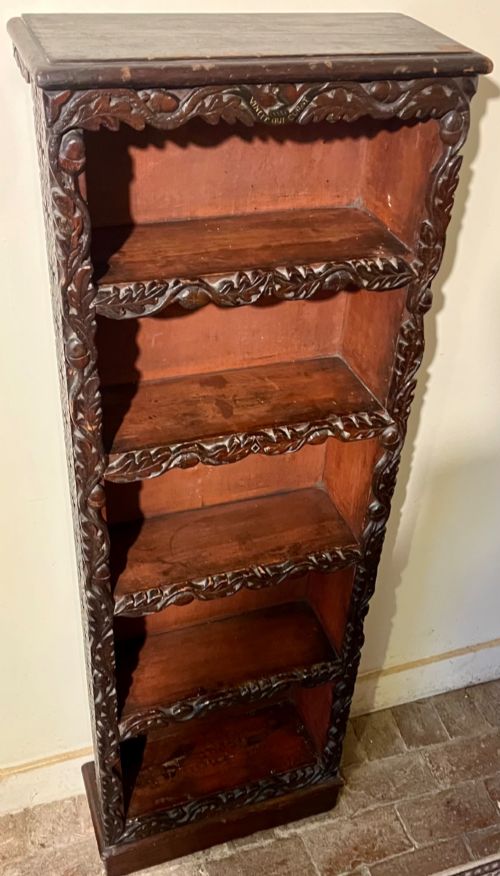
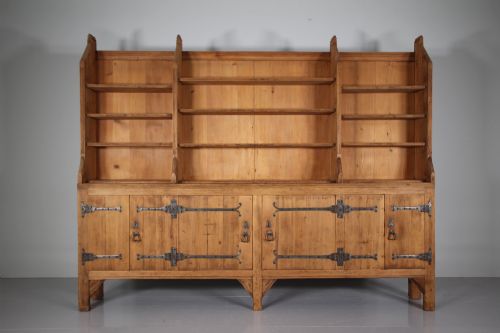
The objects span the nineteenth century, with Victorian iterations showing the strongest architectural influence through pointed arches, tracery, and carved foliage. Examples range from small wall brackets designed for single display items to taller bookcases with fixed and adjustable tiers.
Makers and designers of the period drew inspiration from church architecture and domestic medieval interiors, translating stone details into timber. Buyers encounter pieces that integrate display surfaces with structural cornices and carved back panels.
Materials and construction
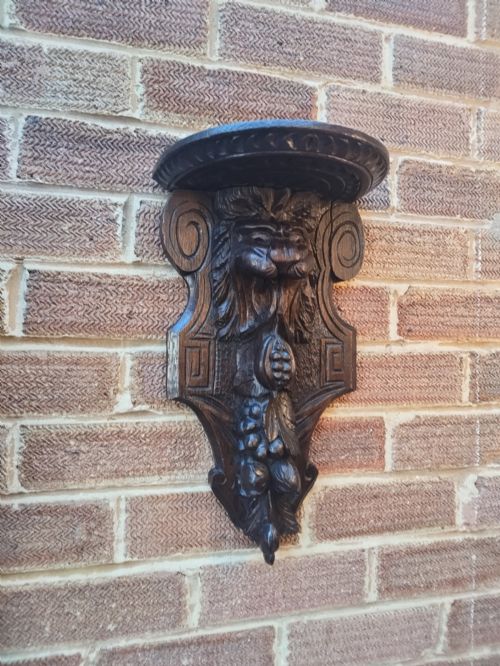
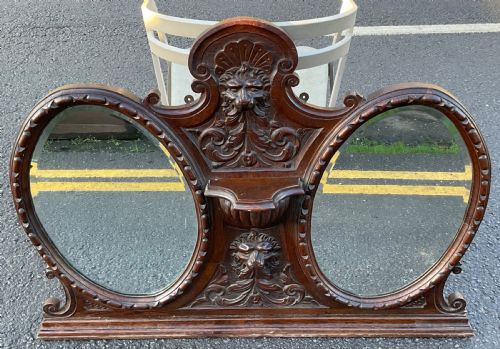
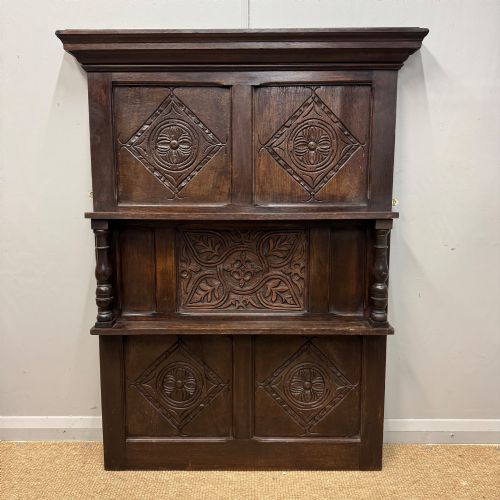
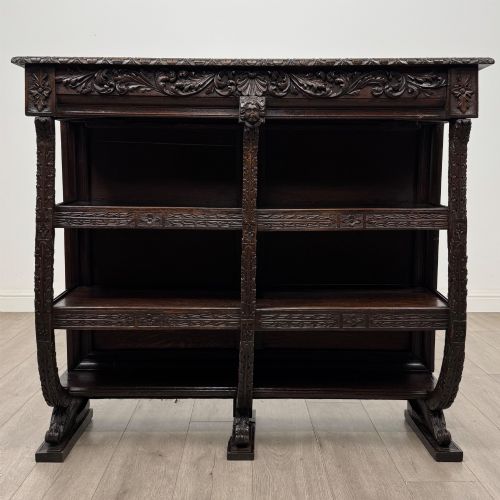
Makers relied heavily on solid oak, mahogany, and rosewood, often pairing dense hardwoods with carved detailing such as green man motifs and linenfold panels. Ebonised wood and satin birch also appear, reflecting broader Victorian and aesthetic movement tastes for contrasting finishes.
Construction techniques combine traditional mortise and tenon joinery with applied mouldings and heavy bracket supports designed to bear the weight of books and ceramics. Metal elements such as brass hinges and iron brackets provide structural reinforcement and visual contrast against the dark timber.
Gothic Revival Shelf Retail Price Guide 2026
Typical asking prices for gothic revival shelf among the pieces listed under this phrase on Sellingantiques today, from the lower quarter to the upper quarter. They describe what is for sale here now, not the wider market.
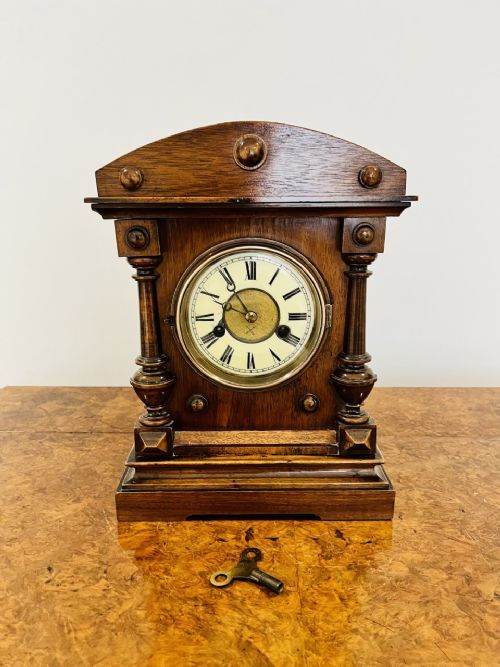
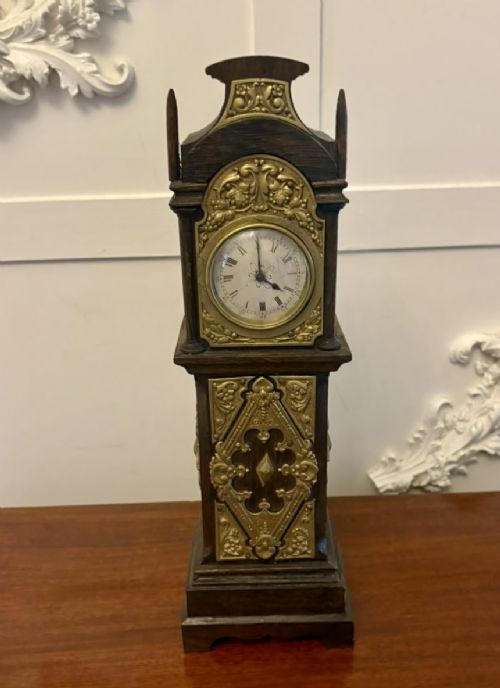
Listings feature oak, rosewood, mahogany, and ebonised wood across nineteenth-century wall shelves, bookcases, and clocks.
What separates the tiers
Quality rests in the depth and sharpness of the carving, where crisp linework and undercut foliage distinguish master workshops from standard commercial output. The choice of timber grain and the integrity of joint construction also mark the difference between utility furniture and significant cabinet work.
Proportion and architectural coherence dictate the success of a piece, with superior examples maintaining balanced sightlines and faithful period detailing rather than surface decoration alone.
George Edmund Street·Cottier and Co·John Moyr Smith·Luigi Frullini·Richard Bridgens
The Gothic Revival Shelf Glossary
- Gothic Revival
- An architectural and decorative style drawing inspiration from medieval forms, pointed arches, and ecclesiastical design.
- Ebonised Wood
- Timber treated with a dark finish to imitate expensive ebony, popular in nineteenth-century decorative arts.
- Green Man
- A sculptural motif of a human face emerging from or entwined with foliage, frequently found in medieval and revival carvings.
- Bracket
- A structural or decorative support projecting from a wall to hold a shelf or mantel.
- Breakfront
- A piece of furniture with a central section that extends forward from the side sections.
Gothic Revival Shelf: Frequently Asked Questions
How do I hang a heavy oak shelf?
Secure the piece directly into wall studs using appropriate steel fixings through the backplate or mounting brackets. Heavy timber requires load-bearing anchor points to ensure stability.
Check the weight distribution of your items across the tiers to prevent structural strain on older joints.
What rooms suit these shelves?
These pieces complement studies, libraries, and hallways where dark timbers and architectural details enhance traditional interiors. They provide functional display space for books and decorative objects.
Keep them away from direct heat sources and strong sunlight to protect the polish and prevent timber splitting.
How do I date a nineteenth-century shelf?
Examine the wood grain, joinery methods, and the style of the carved ornamentation to determine the period. Mid-century examples often display simpler Gothic influences compared to later highly carved pieces.
Look for maker stamps, retailer labels, or attribution marks on the reverse or within the shelving framework.
How should I clean ebonised wood?
Dust the surface regularly with a soft, dry cloth to prevent dirt accumulation in the carved recesses. Avoid modern chemical sprays that can degrade the dark surface finish.
Apply a microcrystalline wax sparingly once a year to nourish the timber and maintain its lustre.