





Gothic Revival Painting
Gothic revival painting brings together ecclesiastical pigment and Victorian devotion, offering collectors a striking window into nineteenth-century architectural zeal.
Gothic Revival Painting
When you search for gothic revival painting, you encounter devotional canvases, illuminated texts, and hand-painted glass panels that channel medieval aesthetics. These pieces span the nineteenth century, including Victorian manifestations and related revivals like the Arts and Crafts movement.
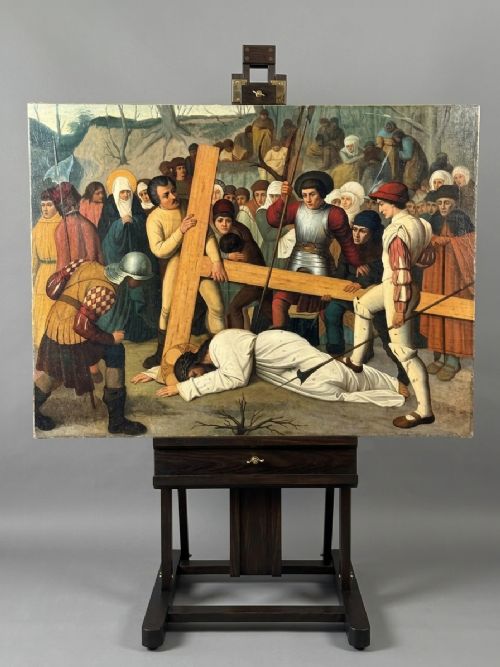
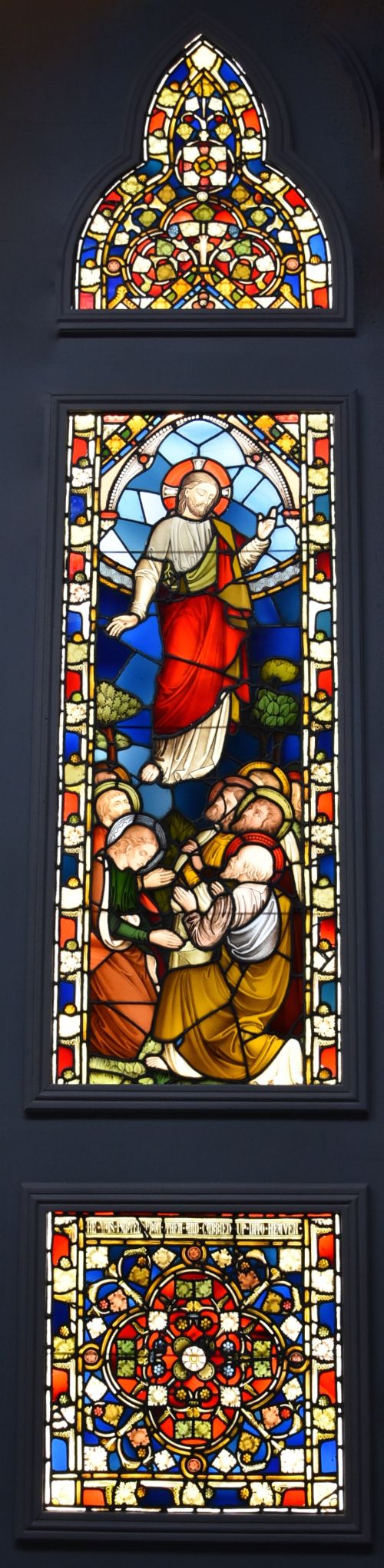
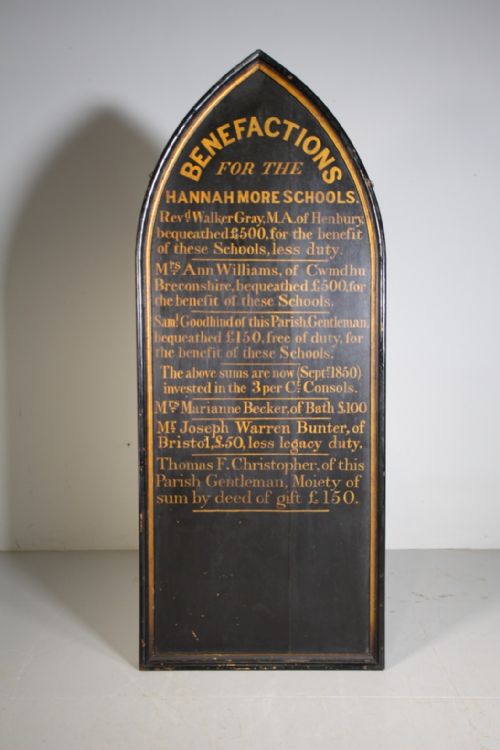
The objects take several forms, ranging from framed oils and triptychs to painted architectural panels and stained glass windows featuring figures such as knights and saints. Stained glass panels and framed religious texts dominate the visual records here.
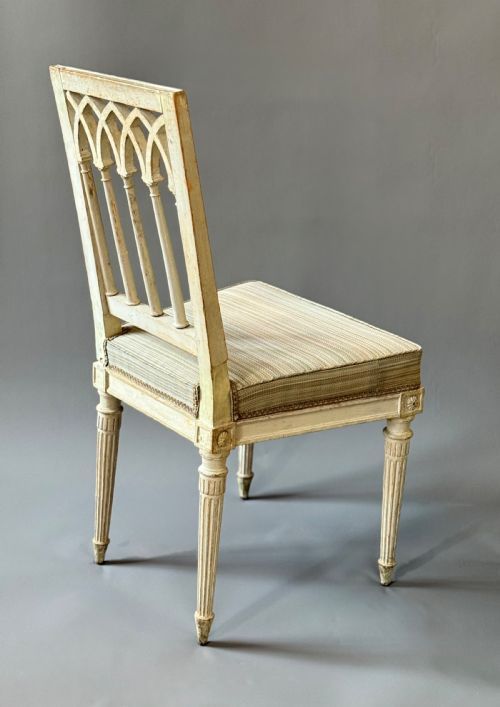
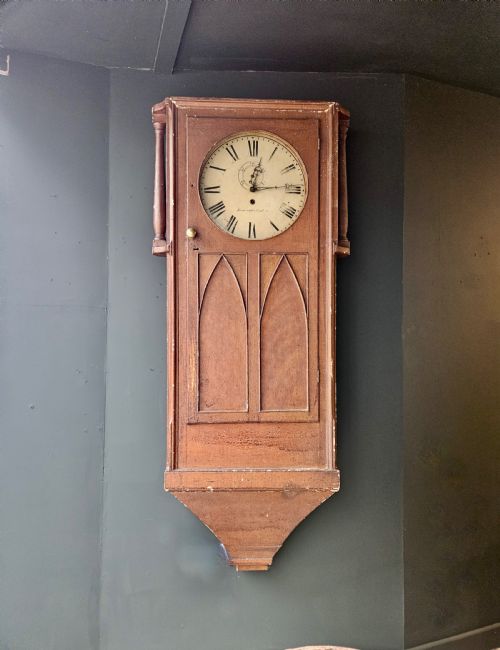
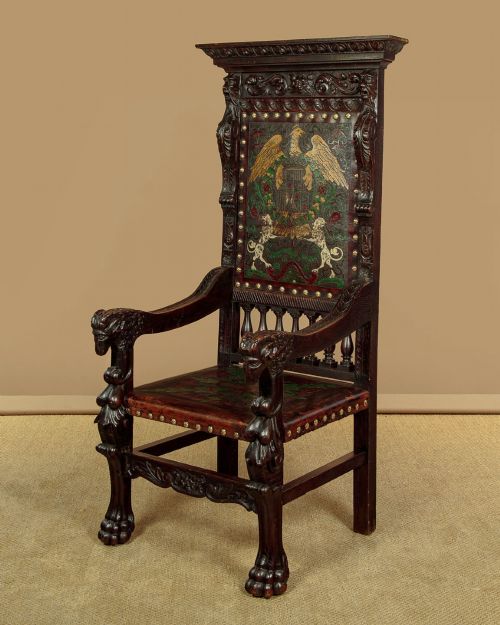
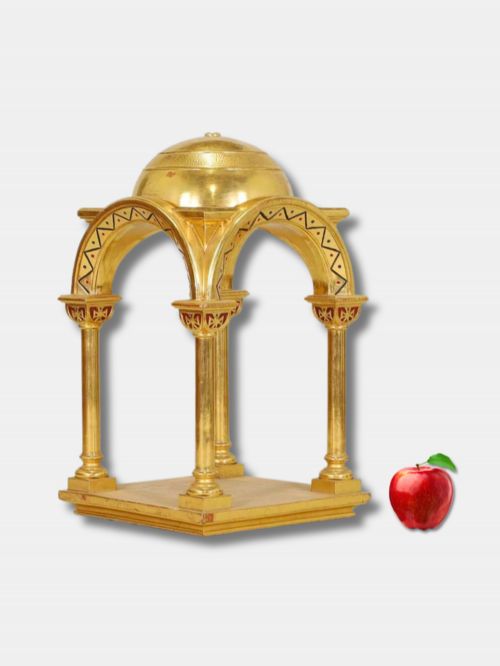
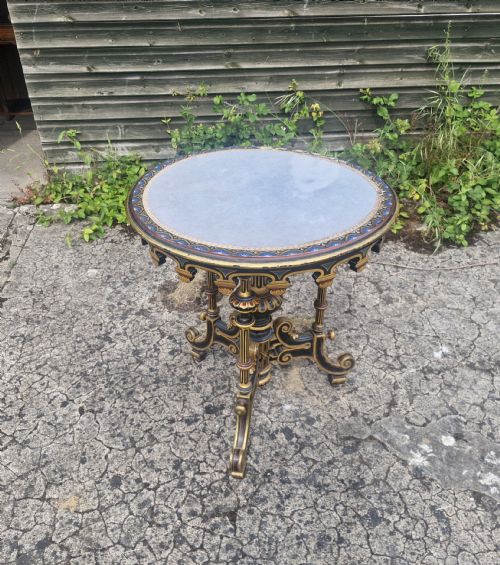
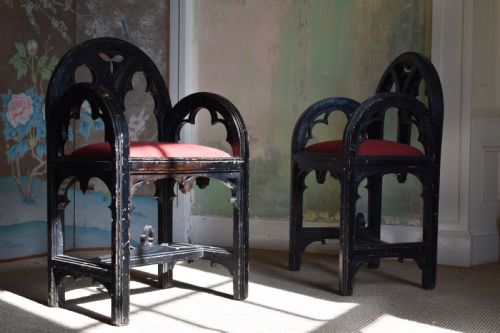
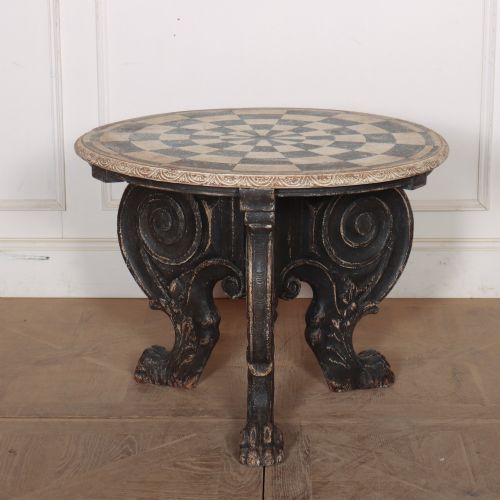
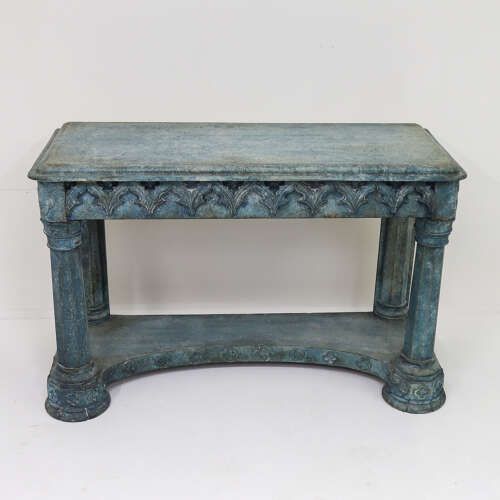
Originating primarily across the nineteenth century, these works reflect an era deeply invested in medievalism, ecclesiastical restoration, and romantic historical narratives. They appear alongside painted furniture and structural salvage sharing the same stylistic vocabulary.
Materials and construction
Artists and makers utilised traditional canvas, wood, and glass, applying oil paints, watercolours, and inks by hand. Lead cames often support glass panels, binding coloured and painted segments together within architectural arches.
Painted surfaces frequently appear on oak, pine, or prepared timber panels, sometimes enhanced with gilt or decorative pigments. The integration of wrought ironwork and brass hardware complements these painted and glazed mediums.
Listings feature works predominantly from the 19th century, incorporating painted wood, glass, and lead.
Assessing quality and execution
The refinement of the brushwork and the ambition of the composition set the finest examples apart from simpler decorative items. Masterful rendering of facial expressions and ecclesiastical iconography signals superior workshop production.
The integrity of the original paint and the preservation of leaded glass sections dictate the standing of a piece. Depth of colour and the harmonious balance between painted detail and structural support govern overall visual impact.
Jozef Jansessens·Rouillard Angers
The Gothic Revival Painting Glossary
- Gothic Revival
- An architectural and artistic movement reviving medieval forms, pointed arches, and ecclesiastical motifs. It flourished throughout the nineteenth century.
- Stained Glass
- Glass coloured by adding metallic salts during its manufacture, frequently painted and fired to depict figures, heraldry, or religious scenes.
- Illuminated Text
- Hand-lettered manuscript or religious text adorned with pigments, gold, or silver. These pieces often originate from period chapels and tabernacles.
- Oil on Canvas
- Pigment suspended in drying oil applied to stretched canvas cloth. It serves as a primary medium for devotional and portrait works.
- Triptych
- A picture or relief carving on three panels, typically hinged together side by side. They frequently display arched tops reflecting church architecture.
Gothic Revival Painting: Frequently Asked Questions
What is a tin tabernacle text?
Tin tabernacles were prefabricated corrugated iron churches erected during the Victorian era. Wall-mounting illuminated religious texts were hung inside these structures to guide congregations.
These painted or printed notices feature scriptural passages and decorative borders executed in vibrant pigments. They represent a distinct type of ecclesiastical interior furnishing from the late nineteenth century.
How do I date stained glass panels?
Dating stained glass involves examining the composition of the glass, the quality of the painted enamel, and the style of the lead cames. Nineteenth-century examples often favour medieval revival motifs like armoured knights and saints.
The integration of hand-painted details combined with architectural arches typically points toward Victorian production methods. Comparing the framing and leading style helps narrow the decade of creation.
Are these paintings strictly religious?
While many pieces depict saints, biblical figures, and devotional texts, the aesthetic also encompasses secular romantic subjects. Works range from ecclesiastical triptychs to historical illustrations of buildings and architecture.
The overarching stylistic link is the medieval aesthetic rather than strict ecclesiastical use. Domestic interiors of the period welcomed these gothic elements alongside traditional portraits.