



Gothic Revival Brass Fittings
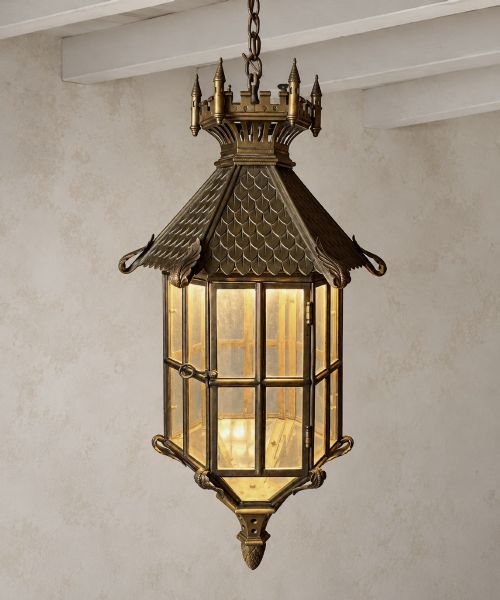
These gothic revival brass fittings bring ecclesiastical weight and domestic function together through heavy cast metal and glass.
Gothic Revival Brass Fittings
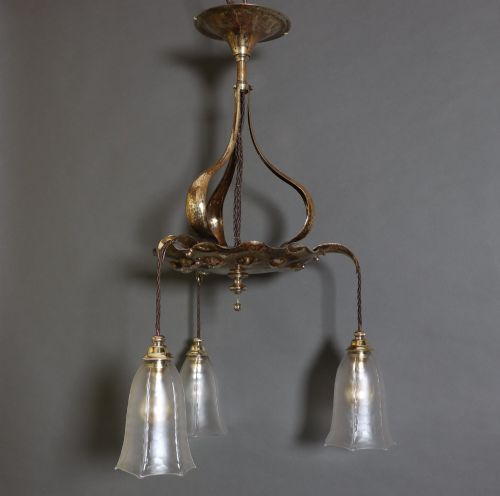
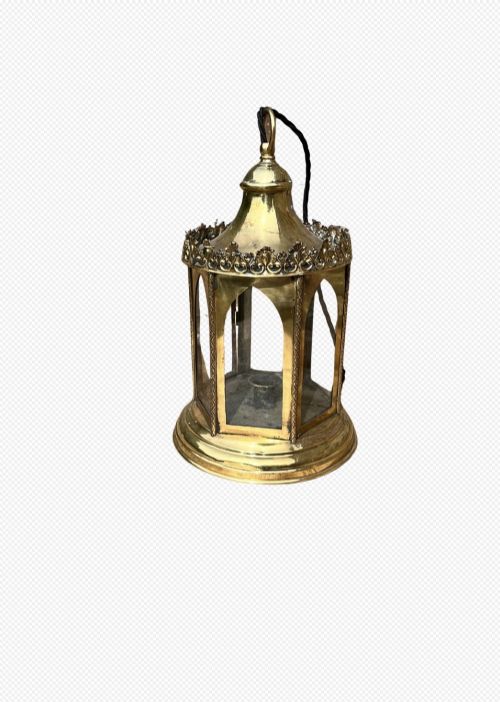
Gothic revival brass fittings include functional architectural hardware and hanging illumination designed in medievalising styles during the Victorian and Edwardian periods. Buyers searching for gothic revival brass fittings encounter door knobs, bell pulls, hinges, and pew end rails alongside ceiling lights, chandeliers, and wall brackets.
The most common versions on this page date from the late nineteenth century, spanning the Victorian era through to nineteen hundred and the Edwardian years. These pieces utilise brass, gilt brass, and bronze, often paired with glass globes, etched glass, or opaline glass.
Makers and workshops across Britain and continental Europe produced these items for domestic and ecclesiastical settings. Their forms draw directly upon medieval architectural motifs translated into everyday interior hardware and lighting.
How they were made
Makers shaped these fittings primarily through casting brass and bronze, producing substantial components designed to endure heavy use. Elements such as chandeliers and door hardware display crisp surface detail achieved through careful moulding and finishing.
Illumination pieces integrate glass components, utilising etched glass, opaline glass, or plain glass globes to diffuse light from burners or early electric wiring. Gilt brass finishes provide a secondary surface treatment on select hanging lights and candelabra.
Gothic Revival Brass Fittings Retail Price Guide 2026
Typical asking prices for gothic revival brass fittings among the pieces listed under this phrase on Sellingantiques today, from the lower quarter to the upper quarter. They describe what is for sale here now, not the wider market.
Current listings span the Victorian era, nineteen hundred, and the Edwardian period, utilising brass, bronze, gilt brass, and various glass types.
What varies in quality
Quality rests in the crispness of the cast ornamentation and the structural weight of the metal components. Superior examples maintain sharp architectural details on hinges and door furniture without softening from worn production moulds.
The integration of materials dictates distinction at the upper end of the range, where heavy brass armatures house well-matched glass globes or original wall brackets. Proportion and structural integrity determine whether a fitting holds its architectural presence or appears secondary.
Joseph Wilmotte
The Gothic Revival Brass Fittings Glossary
- Gothic Revival
- An architectural and decorative style drawing inspiration from medieval ecclesiastical design. It dominates nineteenth-century metalwork through pointed arches and structural vigour.
- Pew End Rail
- A metal barrier or decorative handrail fitted to church pews. In domestic contexts, these repurposed elements serve alternative architectural functions.
- Bell Pull
- A mechanical linkage device connected to an interior bell by a wire or cord. These wall-mounted fittings feature decorative brass levers or handles.
- Opaline Glass
- A pale, translucent milk glass often blown into globes or shades. It diffuses light softly in Victorian and Edwardian light fixtures.
- Gilt Brass
- Brass treated with a micro-thin layer of gold or gold-coloured wash. This finish enhances the decorative warmth of hanging lights.
Gothic Revival Brass Fittings: Frequently Asked Questions
How do I date gothic revival brass fittings?
Dating relies on stylistic shifts between Victorian exuberance and later Arts and Crafts restraint. Materials such as early electric fittings or specific glass types help narrow the decade of production.
Examining construction techniques and mounting methods further clarifies whether a piece belongs to the mid-Victorian period or the early twentieth century.
Were these lights originally electrified?
Many lighting pieces began as candle or oil-burning fixtures before conversion to electricity during the late nineteenth or early twentieth century. Some retain evidence of their original fuel mechanisms alongside later wiring.
Buyers should inspect the internal channels and sockets to understand how the fitting evolved through different lighting technologies.
How were door hardware fittings used?
Door knobs, hinges, and bell pulls served functional roles in grand domestic residences, public buildings, and ecclesiastical interiors. Their robust brass construction suited high-traffic doorways requiring durable hardware.
These pieces were mounted using standard threaded rods or face plates designed to match the heavy timber doors of the period.
How do I clean antique brass fittings?
Maintenance requires gentle dusting and occasional cleaning with non-abrasive cloths to preserve the historic surface patina. Harsh metal polishes strip away age-related oxidation that collectors value.
Keeping the brass dry prevents corrosion around glass fittings and preserves any surviving gilt or bronze finishes.