




Gothic Oak Prie Dieu
These gothic oak prie dieu pieces are devotional kneeling desks and chairs designed for private prayer, offering a sturdy timber form that grounds a contemplative interior space.
Gothic Oak Prie Dieu
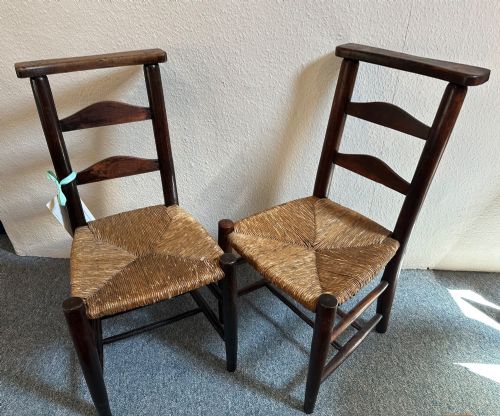
A gothic oak prie dieu serves primarily as a domestic or ecclesiastical prayer desk, combining a slanted upper shelf for books with a lower platform for kneeling. These devotional furnishings appear frequently in variants such as prayer desks, prayer stools, and tall-backed prayer chairs.
The material vocabulary centres firmly on timber, with oak dominating the structural forms alongside supplementary woods like mahogany and walnut. Surviving examples reflect periods stretching from pre-sixteenth century ecclesiastical sculpture and Regency rector seats through to Victorian Gothic revivals and early twentieth-century pieces.
Beyond standard prayer desks, related seating forms in the listings include side chairs, hall chairs, and reception furniture marked by ecclesiastical detailing. Buyers encounter items ranging from simple turned-leg prayer stools to elaborate carved church chairs bearing cathedral provenance.
Materials and construction
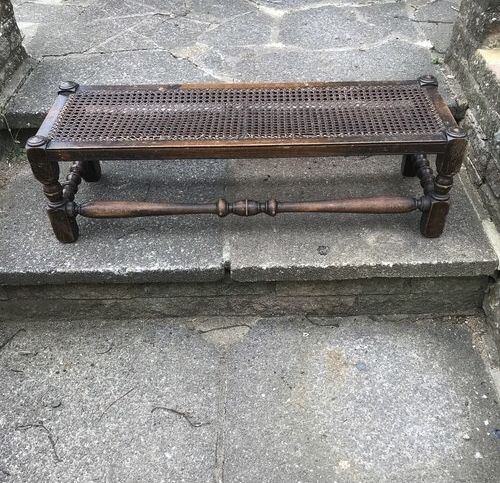
Makers built these devotional items predominantly from solid oak, utilising its dense grain to support heavy carving and structural framing. Supplementary materials such as brass fittings, leather pads, cane, and woven rush frequently appear on seating surfaces and kneeler platforms.
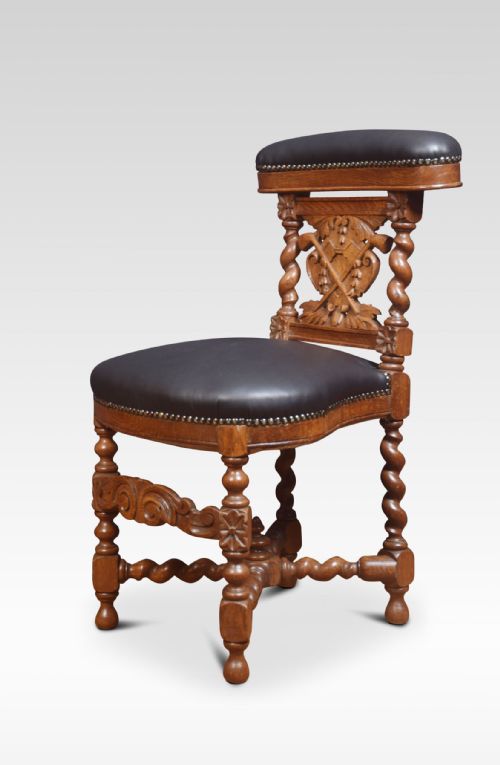
Carpentry techniques rely heavily on traditional joinery, turning for legs and stretchers, and deep relief carving executed across panels and crests. Fretted tops and architectural tracery patterns emulate medieval stonework within the timber medium.
Listings span from pre-sixteenth century carved figures through Regency rector seats to Victorian Gothic revival oak desks.
Evaluating quality and execution
The distinction between standard pieces and superior examples lies in the depth and clarity of the carved ornamentation, particularly where architectural tracery and figurative elements appear. Sharper chisel work and crisper mouldings elevate pieces originating from ecclesiastical commissions above routine workshop production.
Integrity of timber and originality of hardware dictate the standing of a piece within its period. Structural stability in the kneeling platform and the preservation of secondary materials like leather or rush significantly influence the overall character.
The Gothic Oak Prie Dieu Glossary
- Prie-dieu
- A devotional desk designed for kneeling during prayer, typically featuring an upper shelf for texts and a lower footboard or kneeler. This French term translates literally to pray-God.
- Gothic Revival
- An architectural and decorative style popular during the nineteenth century that revived medieval pointed arches, tracery, and vertical proportions. It informs the design of many nineteenth-century ecclesiastical furnishings.
- Fretted
- Ornamented with openwork patterns cut through the flat surface of the timber, often seen along the crests of prayer chairs.
- Doublet
- A descriptor for a paired or twin form, as seen in dual-purpose prayer furniture combining a seat and kneeling station.
Gothic Oak Prie Dieu: Frequently Asked Questions
What is a prie-dieu chair?
A prie-dieu chair is a specialised seat designed for personal devotion, combining a high back with an integrated kneeling platform or a low shelf. Users lean over the upper rest while kneeling on the lower board.
These pieces served rectories, private chapels, and domestic bedrooms throughout the nineteenth century. They offer a compact footprint while maintaining traditional ecclesiastical proportions and joinery.
How do I date a gothic oak prie dieu?
Dating relies on examining the character of the carved motifs, construction joints, and secondary materials. Earlier examples from the pre-sixteenth century display primitive hand-carved iconography, whereas Victorian revivals imitate medieval forms with machine assistance and nineteenth-century hardware.
Secondary woods, upholstery types, and documented cathedral provenances further clarify the timeline. Comparing turnings and edge profiles against known period styles helps narrow the manufacturing era.
Where were these prayer desks used?
These furnishings originated in churches, cathedrals, and private domestic residences for daily devotion and scripture reading. Rectories and clergy studies frequently housed specialised seating designed to accommodate formal prayer.
Today, collectors place them in hallways, studies, or quiet corners as accent seating. Their narrow proportions make them adaptable to modern interior layouts.
Are these pieces comfortable for daily use?
Devotional furniture prioritises upright posture and support during prayer over lounging comfort. The upright backs and slanted desk surfaces reflect their original ecclesiastical function.
Many users employ them as occasional chairs or decorative side pieces rather than primary seating. Original rush or leather surfaces require gentle care during daily interaction.