



Gothic Carved Wood Panel
A gothic carved wood panel brings medieval weight and architectural detail into a room, fashioned from sturdy timber by historical hands.
Gothic Carved Wood Panel
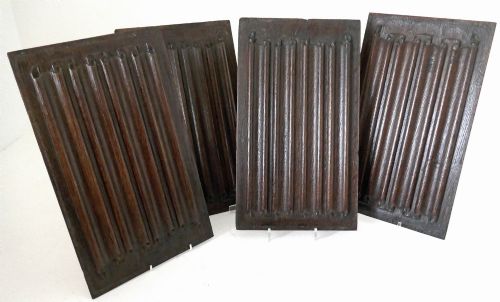
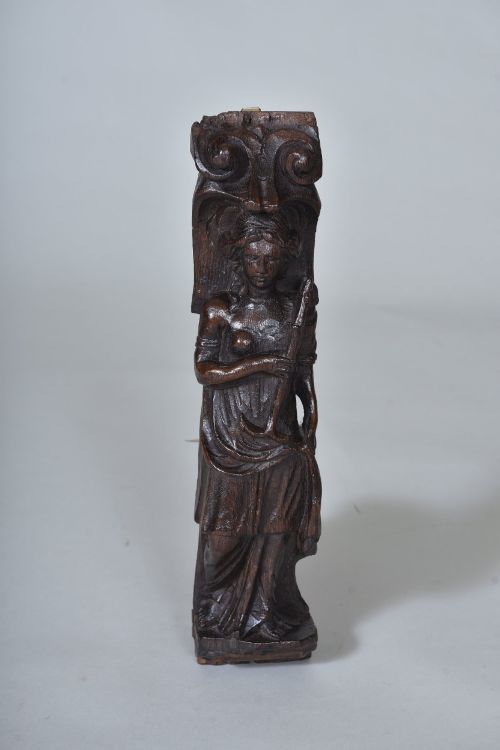
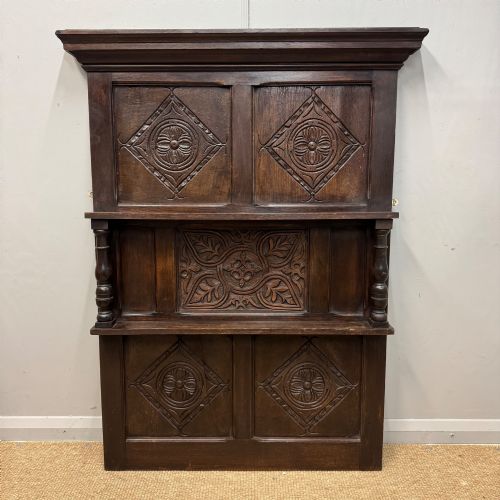
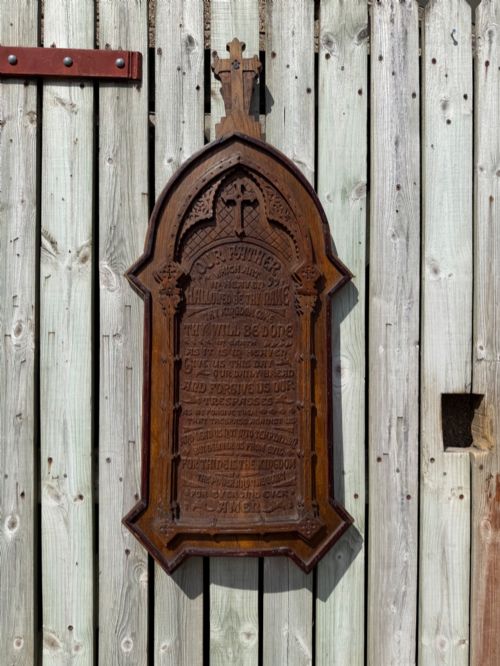
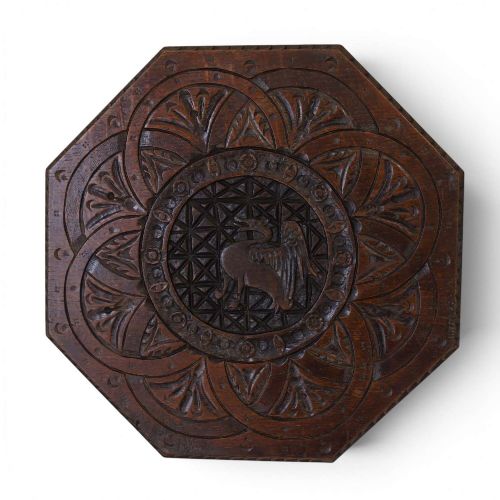
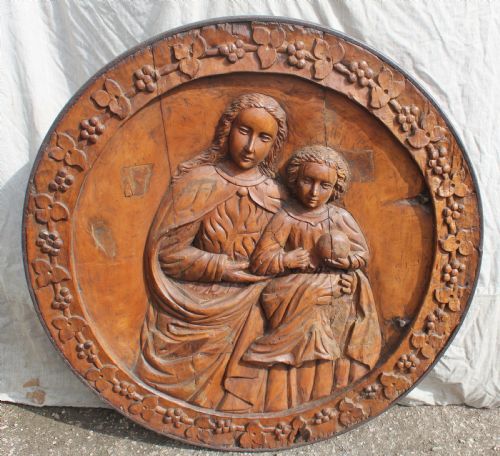
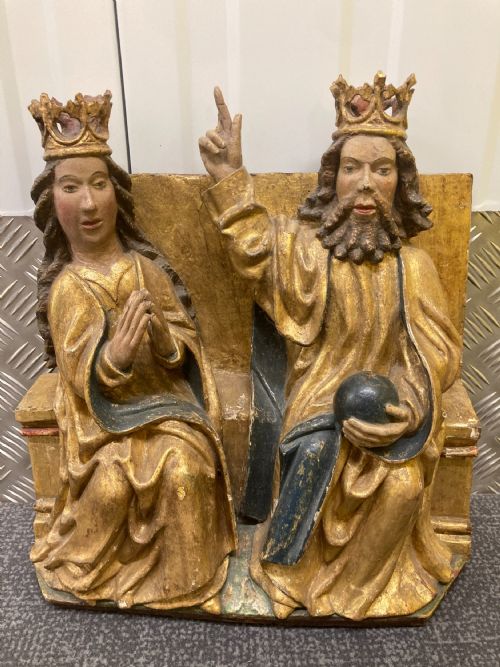
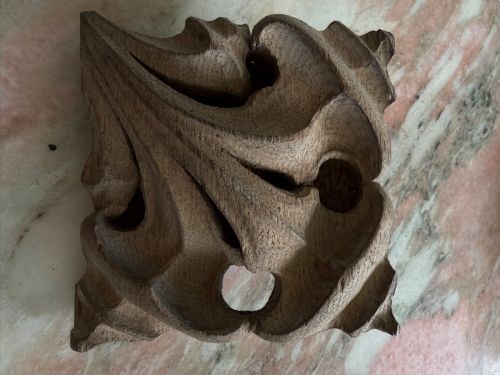
A gothic carved wood panel takes many forms across this selection, appearing as architectural salvage, wall plaques, wall panels, and sculptural fragments. These pieces originate from various eras, spanning pre-sixteenth century medieval examples, sixteenth-century linenfold designs, and nineteenth-century gothic revival interpretations.
Materials and technique
Oak dominates the selection, joined by fruitwood, mahogany, pine, walnut, and leathermaché to form the substrate for intricate relief work. Artisans utilised hand tools to carve linenfold patterns, tracery, and figural scenes directly into the dense grain.
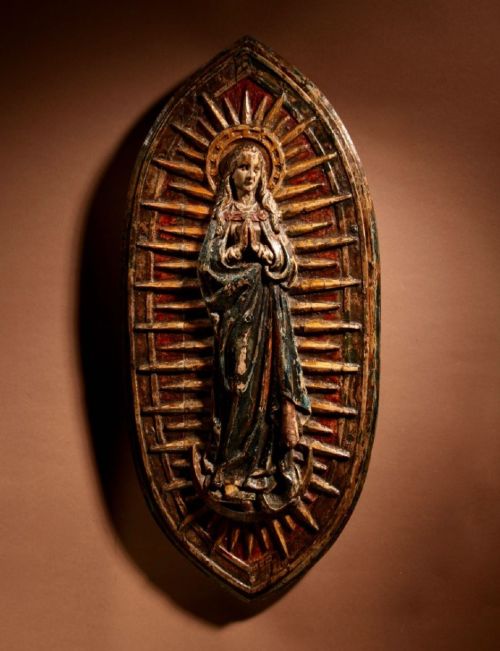
Surface treatments include applied polychrome paint and gold leaf, particularly on sixteenth-century religious groupings and altarpiece remnants. Selected pieces combine carved wood elements with brass framing or integrate into architectural joinery.
Animals hiding in the woodwork include a snake beneath the Virgin's feet, a chicken thief, and a Victorian hunting grouse.
Quality and execution
The depth and crispness of the chisel work distinguish superior examples from simpler production, separating delicate tracery and expressive faces from flat or heavy-handed cutting. Material selection plays a role, with dense early oak holding sharp detail far better than softer secondary timbers.
Age and original context dictate desirability, with medieval and sixteenth-century ecclesiastical fragments carrying historical weight that nineteenth-century revival pieces approach through stylistic enthusiasm rather than structural survival.
The Gothic Carved Wood Panel Glossary
- Linenfold
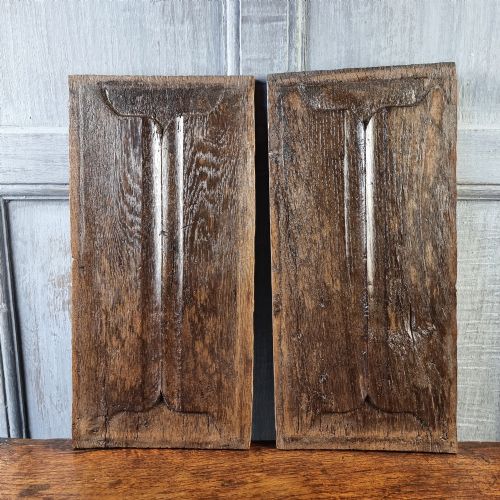
- A style of wood carving that mimics folded fabric or linen, commonly seen on sixteenth-century panels. This treatment gives flat timber the appearance of draped cloth.
- Tracery
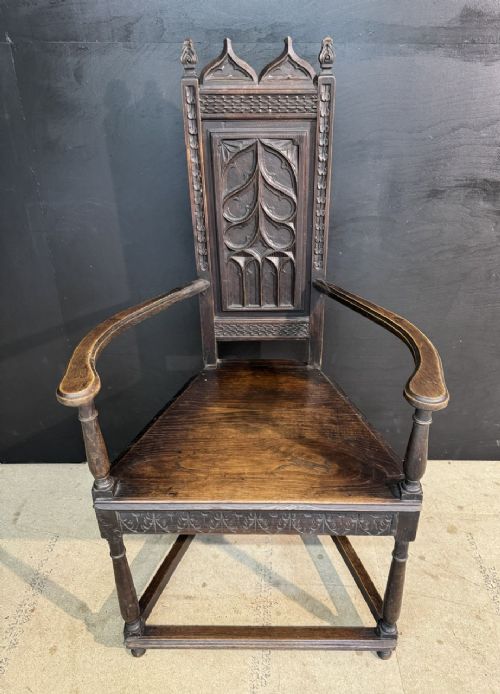
- Openwork or patterned stone-like bar work in wood, frequently found in gothic windows and ecclesiastical panels. It provides geometric structure to figural scenes.
- Wainscot
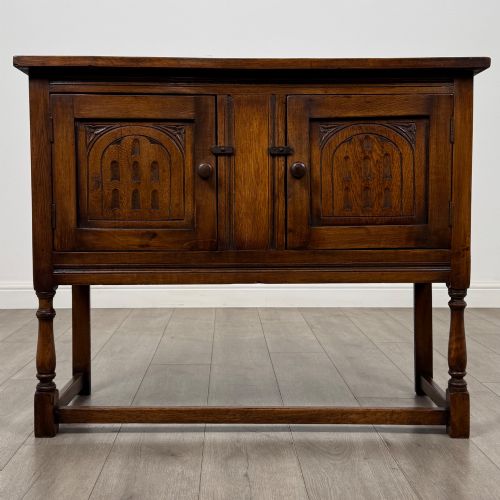
- A type of sturdy oak chair or wall panelling associated with domestic interiors from the sixteenth century onward. These items utilise thick boards and pegged joints.
- Polychrome
- Painted in several colours, often applied to wood or gesso surfaces on medieval religious carvings. This technique added realism and devotion to sacred figures.
Gothic Carved Wood Panel: Frequently Asked Questions
Where did these panels originally hang?
Many gothic carved wood panels originated inside churches, abbeys, and cathedrals as part of rood screens, altarpieces, choir stalls, or wall linings. Others formed the linenfold wainscoting of elite domestic halls.
Over the centuries, architectural salvage separated these elements from their original ecclesiastical or residential context for preservation and display.
How do I hang a heavy wood panel?
Heavy oak and pine panels require secure wall anchoring, typically using concealed metal brackets or French cleats screwed directly into masonry or wall studs. The mounting must support the substantial dead weight of dense historic timber.
Consulting a professional ensures the panel stays secure without placing undue stress on ancient joinery.
How do I tell sixteenth-century work from nineteenth-century revival?
Sixteenth-century panels display the tool marks, timber shrinkage, and dark oxidation of genuine age, often fashioned from slow-grown British or European oak. Nineteenth-century revival pieces often use machine assistance, show different patination, or reflect Victorian interpretations of gothic design.
Construction methods and joint types also help distinguish authentic early joinery from later copies.
How should I clean historic carved wood?
Historic carved wood requires gentle dusting with a soft, dry brush to lift debris from deep recesses without disturbing the patina or wax finish. Moisture and modern chemical polishes damage old wood and painted or gilt surfaces.
Maintaining a stable indoor humidity prevents the timber from splitting or warping over time.