
Gothic Carved Cabinet
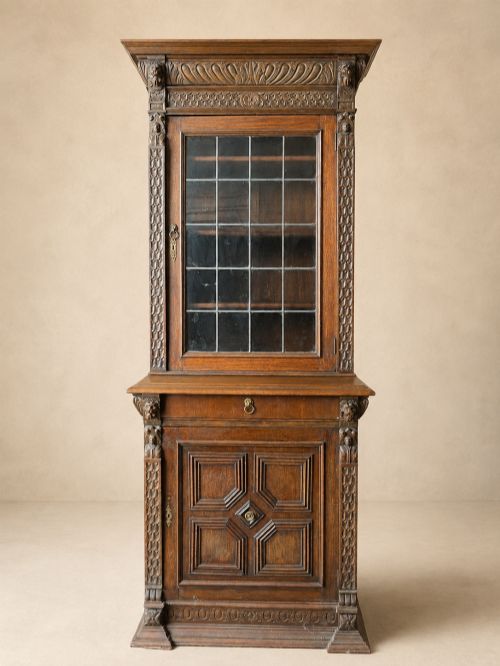
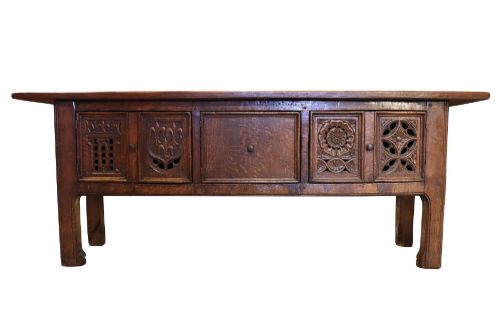
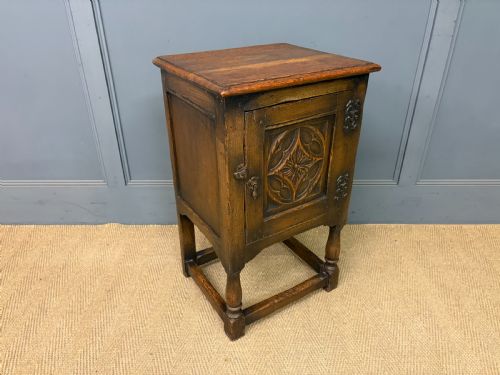
A gothic carved cabinet brings medieval ecclesiastical motifs into domestic spaces through heavy timber and architectural tracery.
Gothic Carved Cabinet
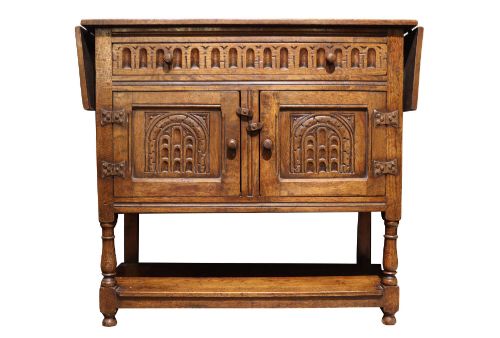
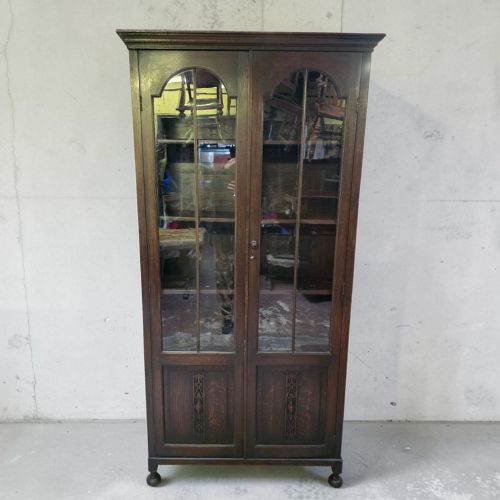
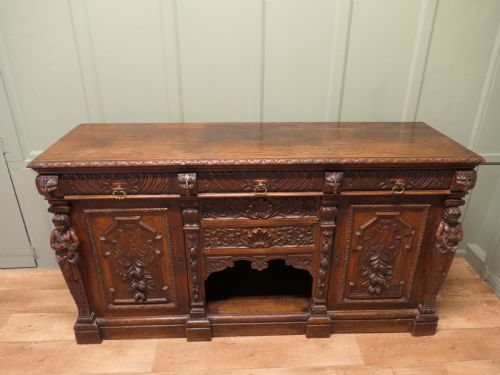
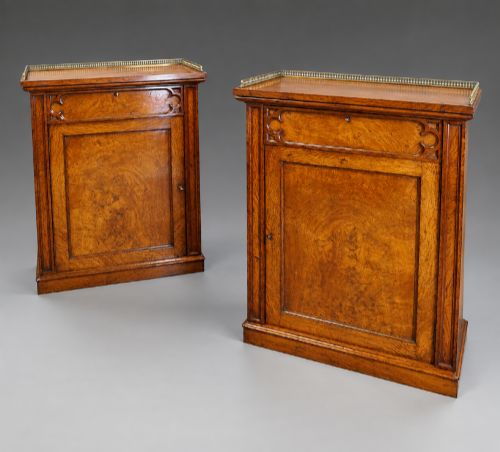
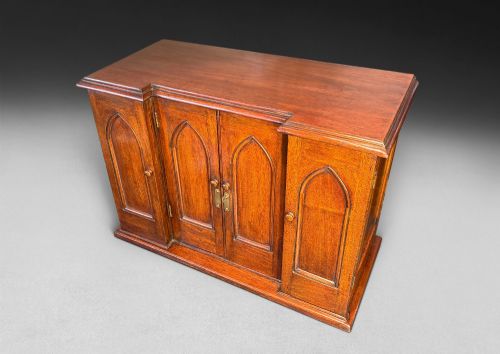
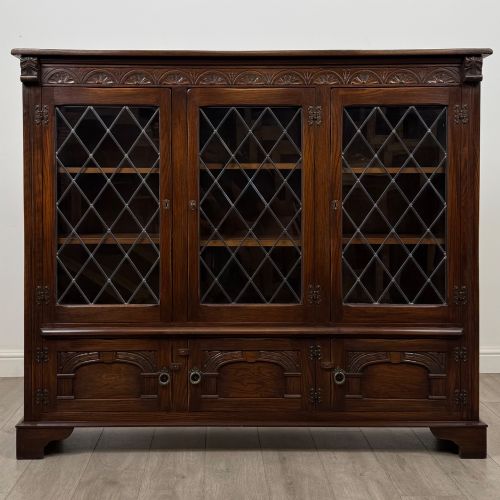
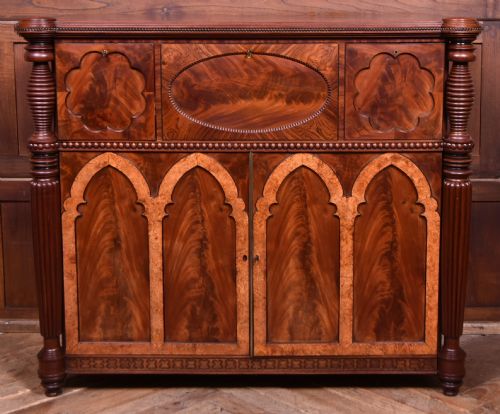
A gothic carved cabinet encompasses a range of domestic storage forms, from slim side cupboards and corner units to large bookcases, sideboards, and display cabinets. These pieces emerge predominantly within Victorian, Edwardian, and nineteenth-century eras under revivalist movements that reimagined medieval design for functional rooms.
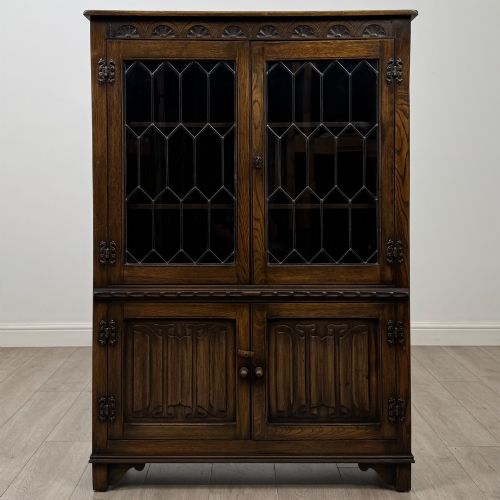
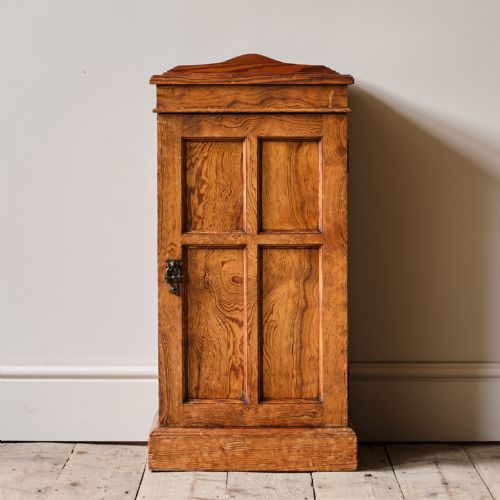
The layout typically involves sturdy panelled construction, sometimes incorporating glass doors for bookcases or leaded and stained glass accents. Interiors serve varied domestic needs, holding books, china, or linens behind secure timber doors fitted with brass or iron hardware.
Origins span English workshops alongside occasional continental examples, reflecting vernacular interpretations of Gothic architecture adapted into cupboards, bureaux, and dresser bases. The aesthetic draws heavily on ecclesiastical motifs translated for secular interiors.
Materials and Construction
Oak forms the primary structural material across nearly all examples, supplemented occasionally by pine, satinwood, and rosewood in specific revival pieces. Carpenters utilised solid timber boards joined by traditional framing techniques to withstand the weight of deep relief ornamentation.
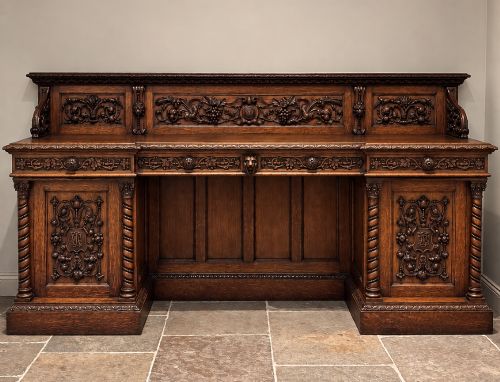
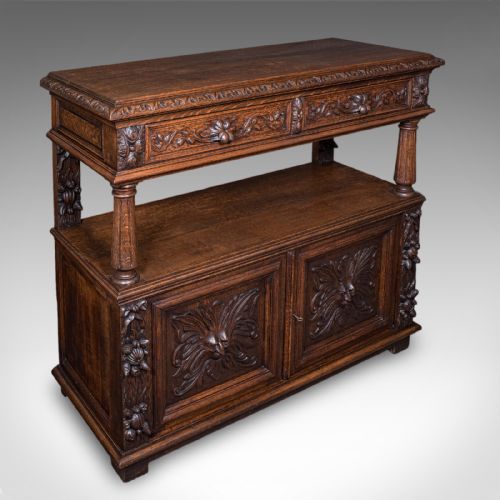
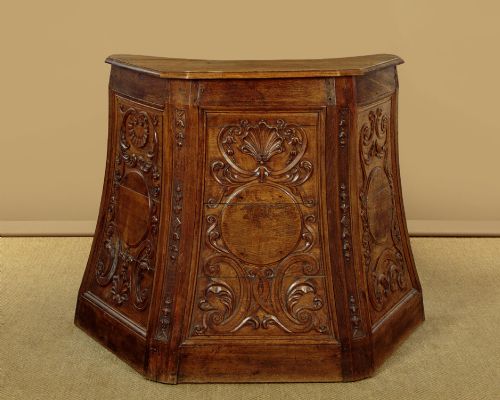
Surface decoration relies on hand-carved motifs executed directly into the timber, including linenfold panels, tracery, and figurative elements such as Green Man masks. Metalwork components in brass and wrought iron provide structural hinges, handles, and occasional glazed panel framing.
Listings feature oak predominantly, alongside iron, brass, and glass, spanning Victorian to Edwardian production periods.
Distinctions in Execution
Quality rests upon the depth, sharpness, and architectural proportion of the carving, distinguishing crisp hand-tooled tracery from shallow or mechanical pressing. The choice of timber grain and the integrity of the joinery further separate standard utility pieces from exhibition-grade furniture.
Design ambition dictates the upper tier, where documented makers or distinctive stylistic interpretations elevate simple storage into sculptural focal points. Proportions remain balanced even in narrow or corner formats, maintaining structural harmony alongside dense ornamentation.
Gillows·Arthur Simpson of Kendal·Leonard Wyburd
The Gothic Carved Cabinet Glossary
- Tracery
- Architectural stonework ribbing translated into woodwork, forming geometric patterns across panel doors and cabinet fronts. This ornamental stonelike skeleton defines the ecclesiastical aesthetic of revival furniture.
- Linenfold
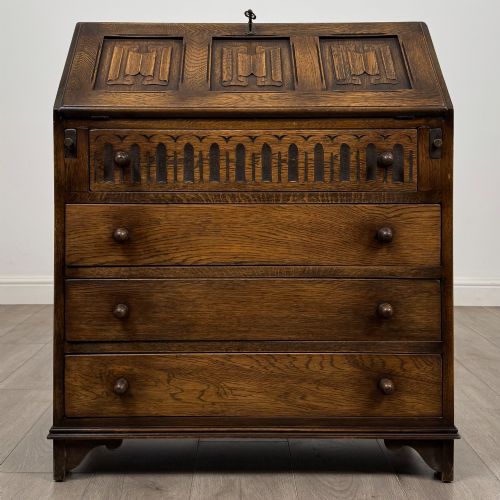
- A style of wood carving that imitates vertical folds of folded fabric, commonly seen on Tudor and revival cabinet panels. Each carved fold creates a textured surface across cupboard doors.
- Green Man
- A sculptural architectural motif depicting a human face emerging from or entwined with foliage and vines. Carvers placed these woodland figures on panels and friezes.
- Secretaire
- A cabinet or bureau containing a fitted writing drawer with a drop-front writing surface and internal pigeonholes. This hybrid form combines desk utility with enclosed shelving.
- Buffet
- A low sideboard or serving table designed for dining rooms to hold platters and glassware. These substantial timber pieces often feature heavy lower cupboards and open display surfaces.
Gothic Carved Cabinet: Frequently Asked Questions
How do I clean a carved oak surface?
Dust regularly with a dry, soft cloth to prevent particulate accumulation within deep carved recesses and linenfold panels. Avoid liquid polishes that build up wax residue inside delicate wood grain.
Apply occasional microcrystalline wax to nourish the timber without darkening the natural oak patina. Buff gently with a clean brush to maintain the original surface sheen.
Where should I place a heavy wooden cabinet?
Position the piece away from direct heat sources and sunlight to prevent timber warping and finish cracking. Heavy oak requires stable flooring that supports concentrated weight across narrow feet or base mouldings.
Ensure adequate clearance for doors fitted with heavy brass hardware to open fully without striking adjacent walls. Taller bookcases benefit from wall-anchoring brackets to secure upright stability.
How do I distinguish nineteenth-century revival from earlier work?
Examine interior timber boards, secondary woods, and tool marks behind panels to identify nineteenth-century mechanical sawing methods. Revival pieces often display Victorian or Edwardian structural habits beneath archaic Gothic ornament.
Hardware fixings, screw types, and hinge construction offer reliable clues to dating timber furniture accurately. Machine-cut screws and standardised joints point firmly to nineteenth-century revival production.
What is the function of a corner cabinet?
Corner units maximise unused wall angles in smaller parlours or dining rooms while providing vertical display space. Glazed upper sections safely showcase ceramics behind architectural tracery and glass panes.
Lower enclosed cupboards conceal domestic items beneath sturdy timber tops suited for lamps or decorative objects. Their triangular footprint integrates storage efficiently into room geometry.