

Gothic Brass Table
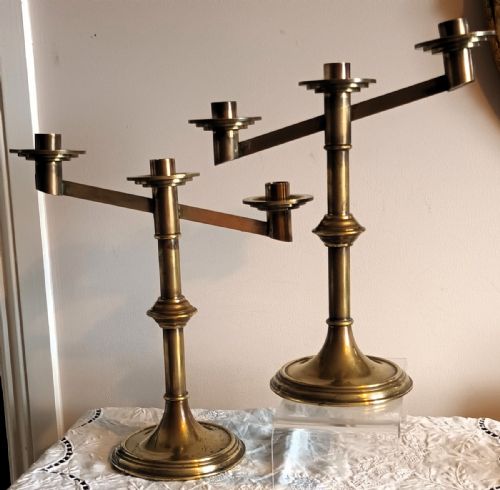
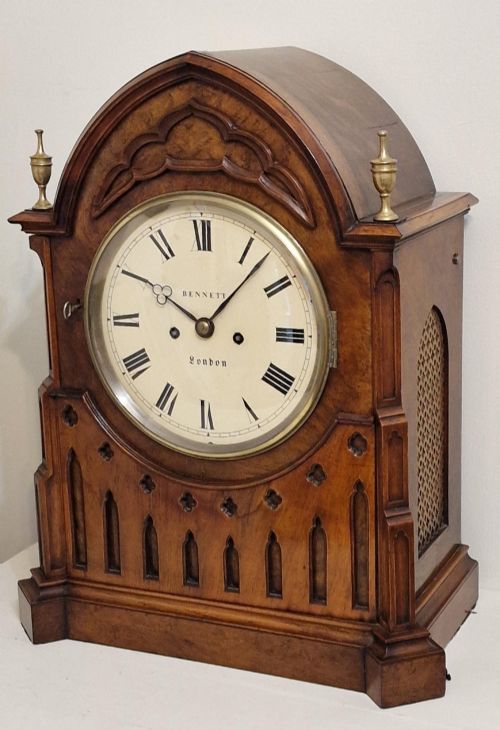
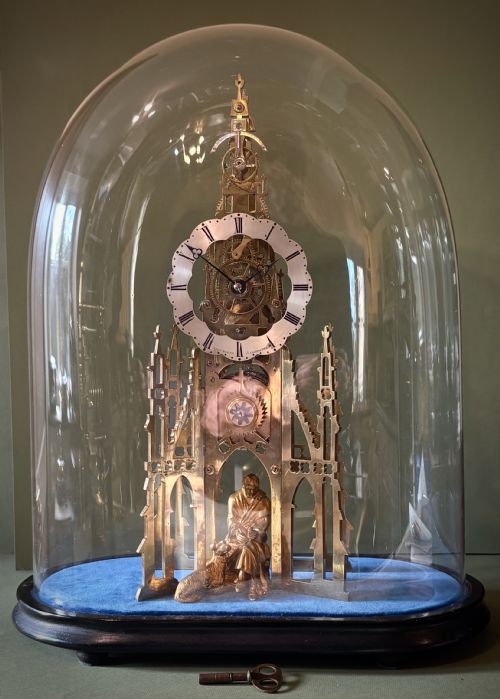
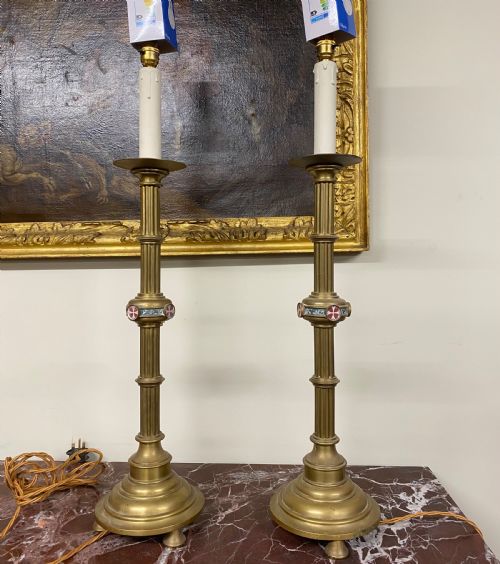
These gothic brass table pieces bring heavy cast metal and sharp architectural ornament straight onto surfaces inside the house.
Gothic Brass Table
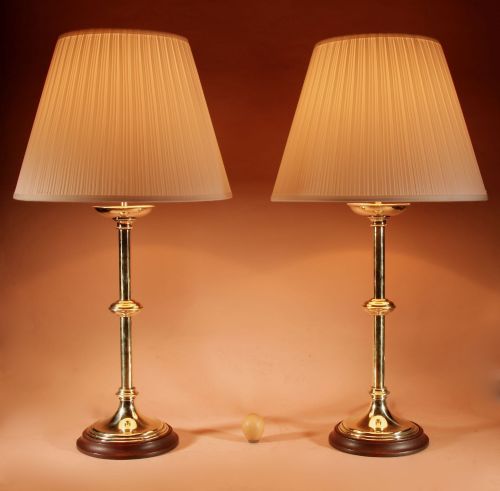
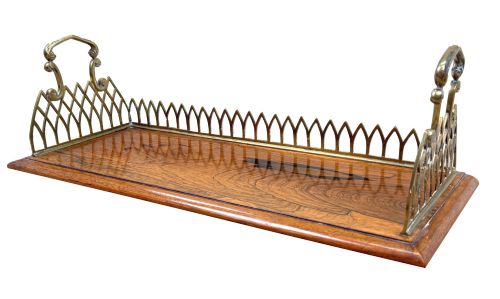
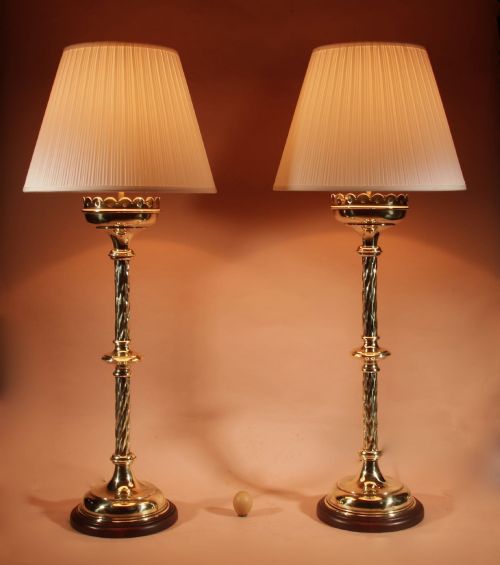
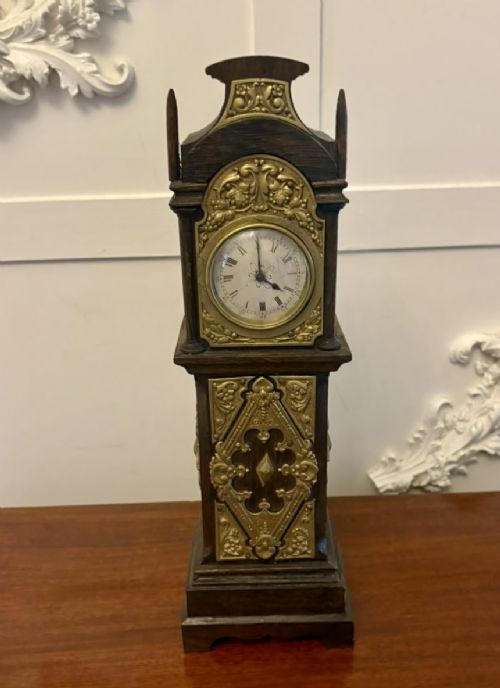
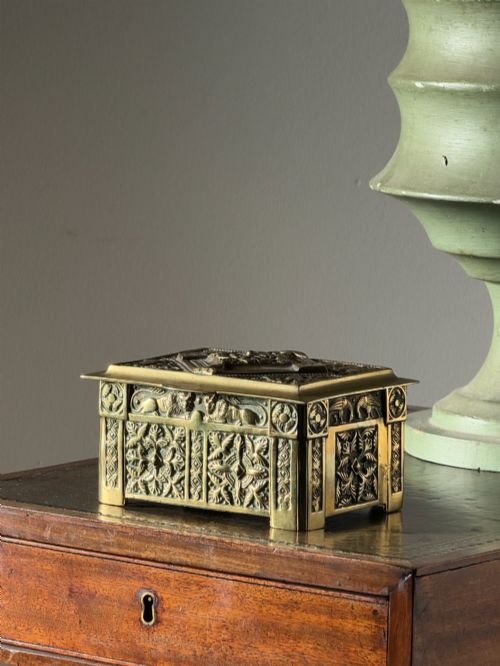
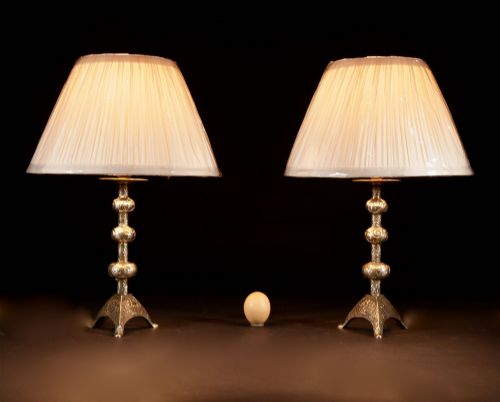
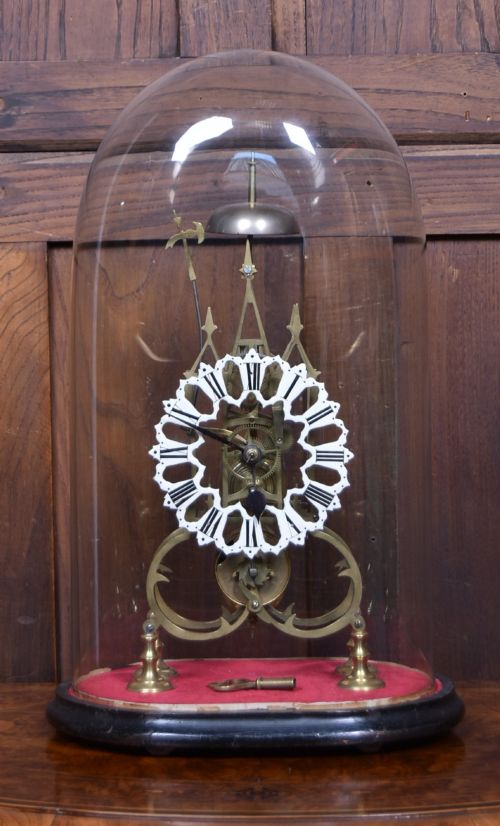
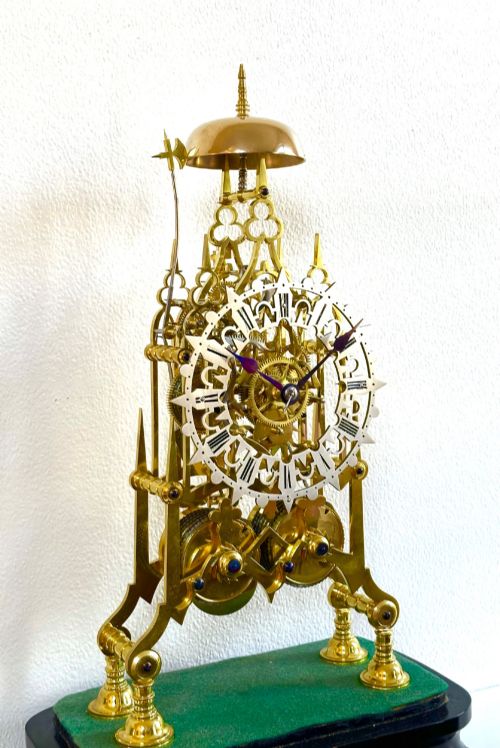
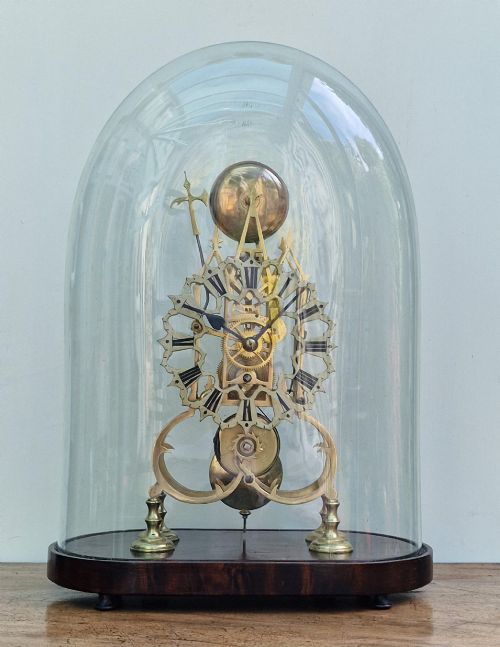
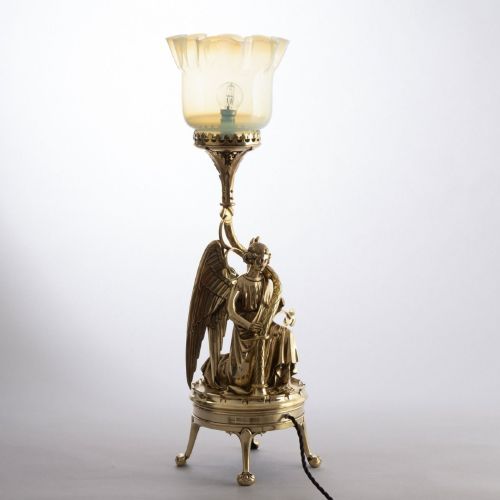
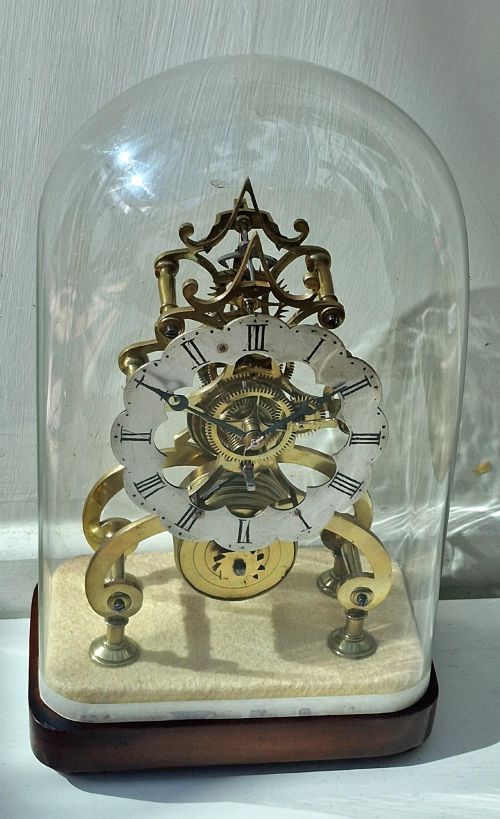
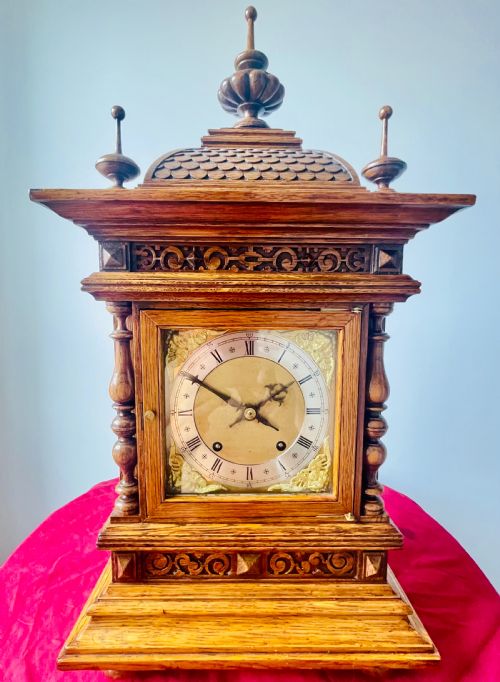
A gothic brass table search leads directly to items like heavy altar candlesticks converted into lamps, cast table lamps, and mantel clocks built during the nineteenth century. These objects draw heavily on medieval architectural forms, pointed arches, and ecclesiastical metalwork adapted for domestic interiors.
How They Were Made
The primary material is cast brass, frequently given a rich, deep patination or chased with intricate surface decoration. Makers combined this metal with secondary materials such as oak, mahogany, glass, and enamel to create substantial table pieces.
Casting techniques allowed workshops to produce sharp crockets, tracery, and religious motifs characteristic of the Gothic Revival style. Heavier items often incorporate weighted bases to support the considerable height of altar sticks and candelabra.
Gothic Brass Table Retail Price Guide 2026
Typical asking prices for gothic brass table among the pieces listed under this phrase on Sellingantiques today, from the lower quarter to the upper quarter. They describe what is for sale here now, not the wider market.
What Varies in Quality
The distinction between ordinary production and superior work rests on the crispness of the casting and the depth of the chased detail. Finer pieces exhibit sharp, well-defined architectural mouldings rather than soft, rounded edges from worn-out moulds.
Proportion and weight also dictate standard, with higher quality examples demonstrating substantial heft and balanced design. The integration of secondary materials, such as clear glass or quality timber, further separates standard domestic items from grander ecclesiastical survivals.
Wm. Tonks & Sons·Winterhalder & Hofmeier·Thwaites of London·Richard Winter of Chieveley·Desbois & Wheeler
The Gothic Brass Table Glossary
- Gothic Revival
- An architectural and decorative style popular during the nineteenth century that revived medieval forms like pointed arches and trefoils. This aesthetic defines the heavy ornamentation seen on these brass pieces.
- Casting
- A manufacturing method where molten brass is poured into a mould to shape intricate patterns. This technique allowed Victorian workshops to mass-produce complex ecclesiastical motifs for domestic tables.
- Altar Candlestick
- A tall, heavy candlestick originally designed for church altars but frequently repurposed as a table lamp. Their substantial height and architectural bases make them prominent room fixtures.
- Chasing
- A metalworking technique where details are hammered directly into the surface of the brass rather than engraved away. Fine chasing separates master metalwork from plain production.
Gothic Brass Table: Frequently Asked Questions
Are these brass lamps original or converted?
Many items appearing as table lamps started life as heavy altar candlesticks or church metalwork before receiving modern wiring.
Conversion methods vary, but the core metal structure retains its original nineteenth-century manufacture and ecclesiastical character.
How do I date a gothic brass piece?
Dating relies on examining the casting methods, the weight of the brass, and the specific style of the Gothic Revival ornament.
Victorian examples often display heavier cast components and more complex chased surface decoration than later twentieth-century reproductions.
Where were these heavy table pieces used?
Original locations ranged from domestic entrance halls and studies to ecclesiastical settings before finding their way onto household furniture.
Their substantial weight suited them to heavy timber sideboards, tables, and desks where they provided both illumination and decorative presence.
What maintenance does antique brass require?
Preserving the surface requires only gentle dusting and avoiding harsh metal polishes that strip away the aged patination.
Allowing the brass to retain its natural dark oxidation preserves the historical appearance built up over the centuries.