





Goldscheider Terracotta Figurine
A goldscheider terracotta figurine is a sculptural work of art nouveau or Victorian design, prized by collectors for its expressive human and animal forms.

Goldscheider Terracotta Figurine
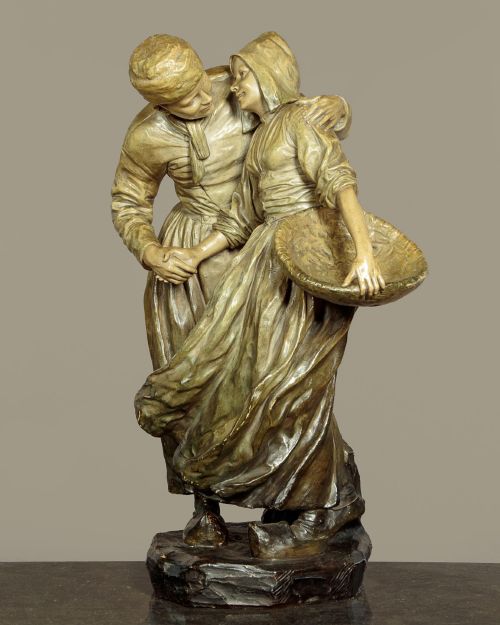
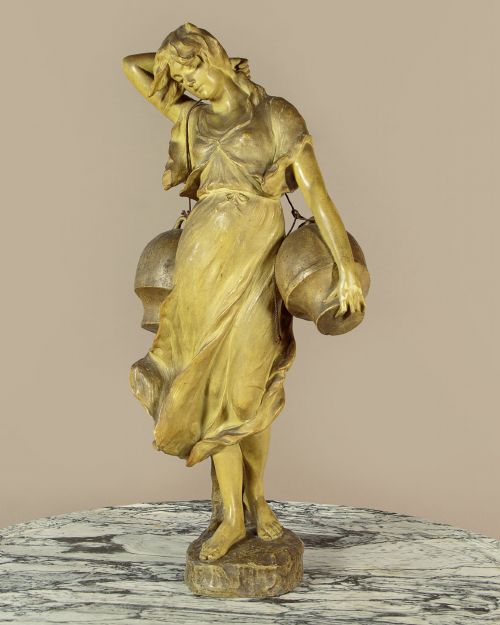
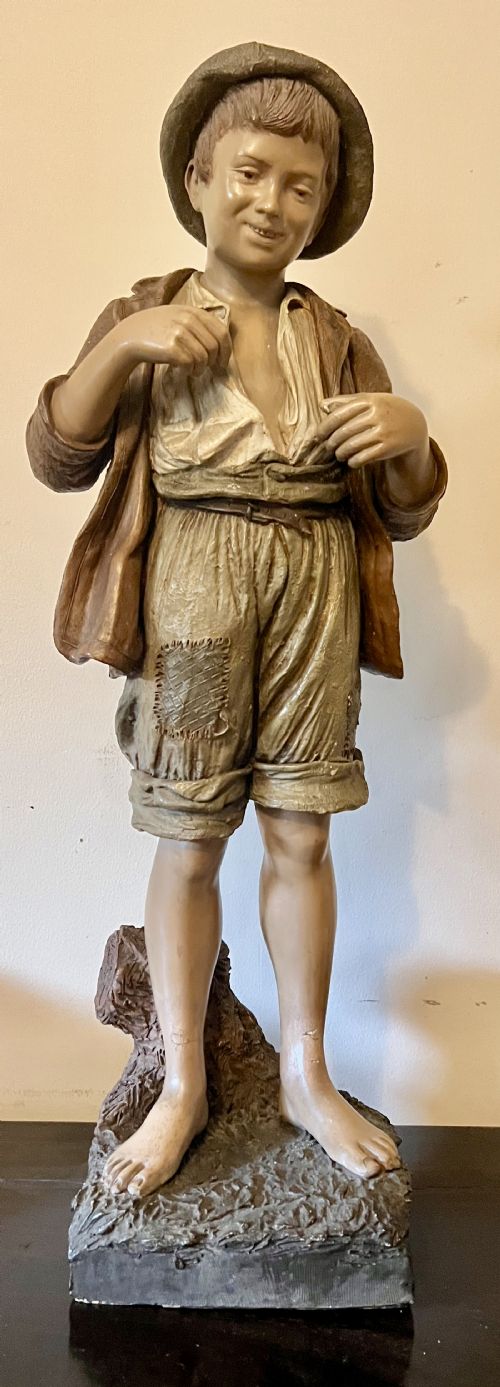
A goldscheider terracotta figurine captures the aesthetic movements of the late nineteenth and early twentieth centuries through detailed figurative sculpture. Buyers searching for a goldscheider terracotta figurine typically encounter depictions of young women, country maidens, water carriers, and figures such as Rebecca by the Spring.
The objects on this page span several decades from the late nineteenth century into the early twentieth century. Most examples date from around nineteen hundred, reflecting the height of the Austrian manufacturing output.
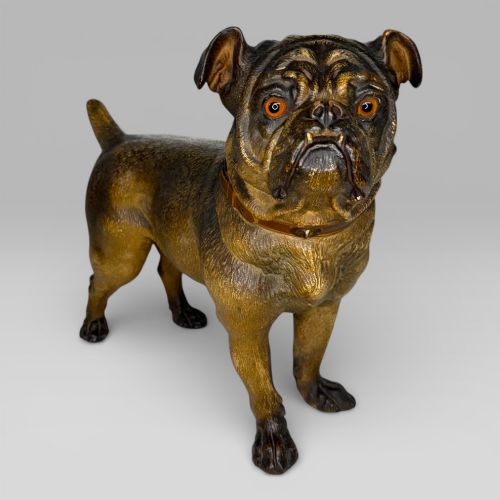
Forms range from cabinet figurines to large sculptures and life-size animal studies like pug dogs. The subjects embrace Victorian realism alongside distinct orientalist and art nouveau stylistic influences.
Materials and methods
These works are formed primarily from terracotta and earthenware, utilising slip casting techniques to achieve complex shapes. The clay body provides a stable foundation for detailed modelling by studio artists.
Surface decoration relies heavily on polychrome paint, pigments, and specialised finishes. Certain pieces incorporate a bronzed finish to simulate cast metal rather than fired earth.
Goldscheider Terracotta Figurine Retail Price Guide 2026
Typical asking prices for goldscheider terracotta figurine among the pieces listed under this phrase on Sellingantiques today, from the lower quarter to the upper quarter. They describe what is for sale here now, not the wider market.
Listings feature terracotta and earthenware materials shaped into figures, animal sculptures, and figural groups.
Assessing quality
The standard of a piece rests upon the crispness of the modelling and the sensitivity of the painted surface. Superior examples retain their original polychrome pigments and show deep definition in facial expressions and drapery.
Scale and ambition also divide the range, distinguishing modest figurines from large water carriers and life-size animal sculptures. The complexity of the figural group and the renown of the original designer elevate certain pieces above standard factory output.
Friedrich Goldscheider
The Goldscheider Terracotta Figurine Glossary
- Terracotta
- Fired clay used for sculptural works. It ranges in colour from pale buff to deep red.
- Slip cast
- A manufacturing method where liquid clay is poured into a plaster mould. This technique allows for consistent replication of intricate sculptural forms.
- Bronzed finish
- A metallic coating applied to earthenware to mimic bronze metalwork. This treatment was popular for conferring a heavier appearance onto terracotta bodies.
- Orientalist
- An artistic style drawing inspiration from the cultures of the Near and Far East. It appears frequently in late nineteenth-century European sculpture and decorative arts.
Goldscheider Terracotta Figurine: Frequently Asked Questions
How were these figures made?
The workshops utilised terracotta and earthenware, often employing slip casting to shape the clay into complex forms. Pigments and polychrome paints were then applied to finish the surface.
Some pieces received a bronzed finish to resemble metalwork rather than traditional ceramic material.
Where were they manufactured?
Production centred in Vienna, Austria, driven by the prominent ceramic manufactory established there. The output reached international markets during the Victorian and Edwardian eras.
Artists and modellers designed diverse subjects ranging from water carriers to domestic animals.
How do I date a piece?
Dating relies on stylistic markers such as art nouveau curves, Victorian realism, and the specific clothing depicted on the figures. Many examples date from around nineteen hundred.
Reference materials and factory records help connect individual pieces to specific production decades.