






Golden Frame Painting
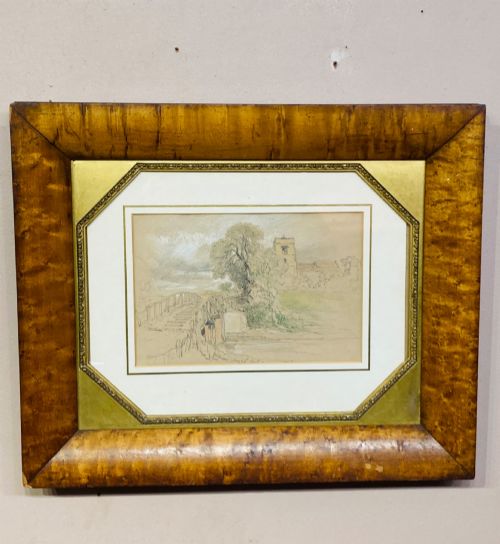
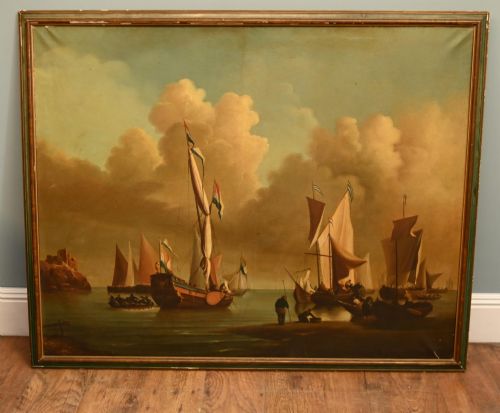
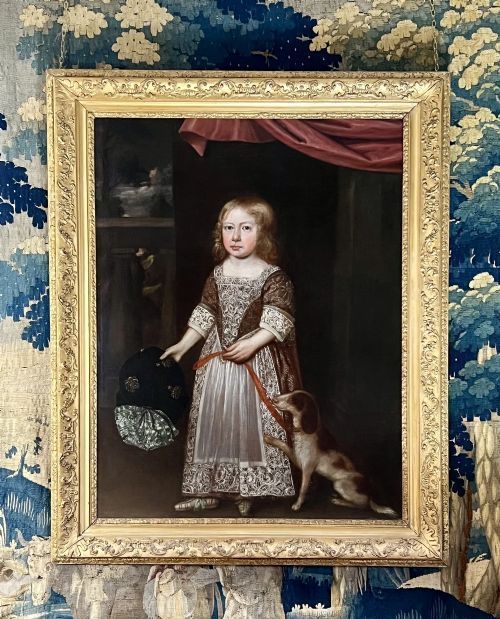
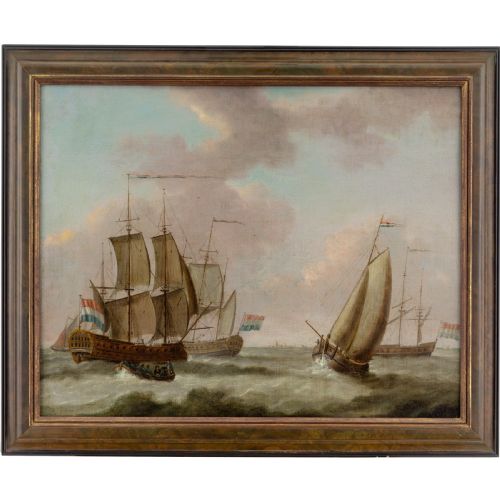
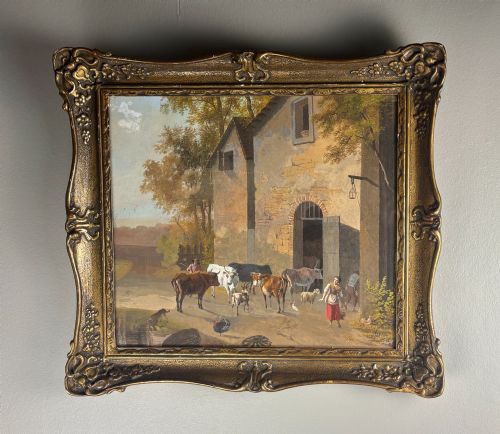
When you search for a golden frame painting, you encounter centuries of oil on canvas, wood panels, and giltwood surrounds capturing portraits, landscapes, and still lifes.
Golden Frame Painting
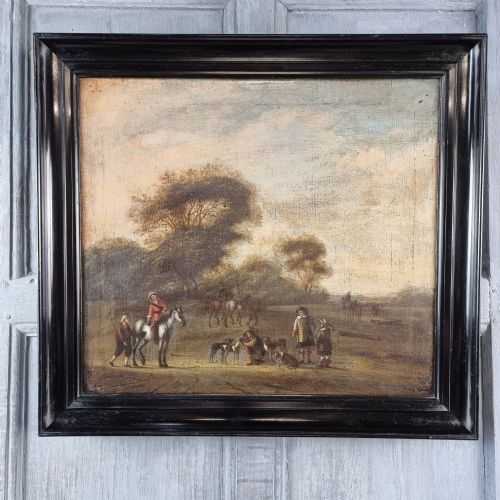
A golden frame painting represents a convergence of historical fine art and ornate surrounds, predominantly featuring oil on canvas or wood panels. Buyers searching for a golden frame painting will frequently encounter works originating from the seventeenth century through to the nineteenth century, encompassing Dutch Golden Age subjects, portraits, and maritime scenes.
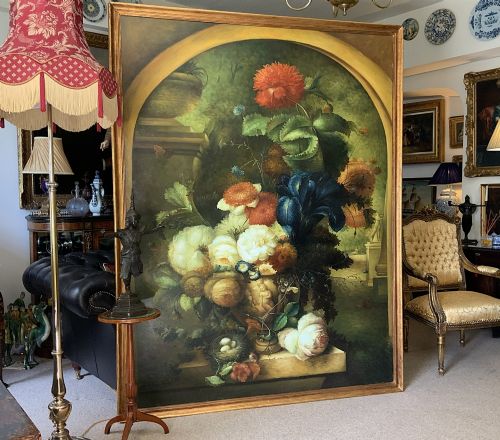
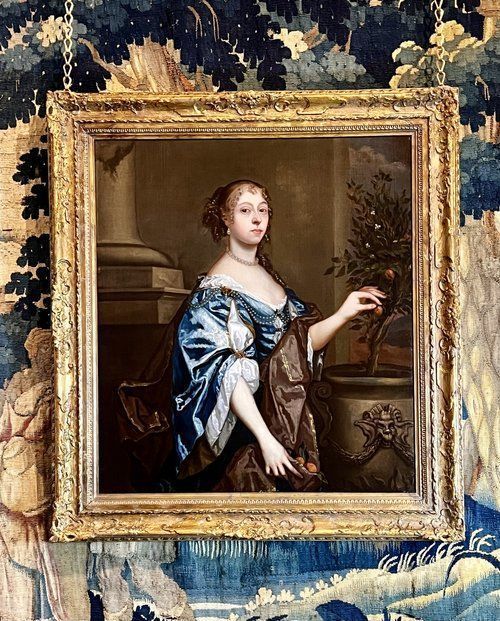
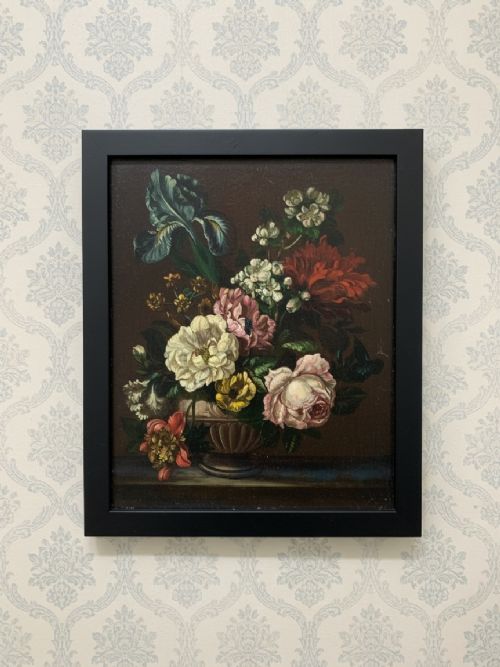
The selection ranges from seventeenth-century portraits of noblemen and officers to later nineteenth-century interpretations and still lifes. These artworks display the enduring influence of schools across northern Europe, capturing everything from maritime shipping to detailed floral arrangements.
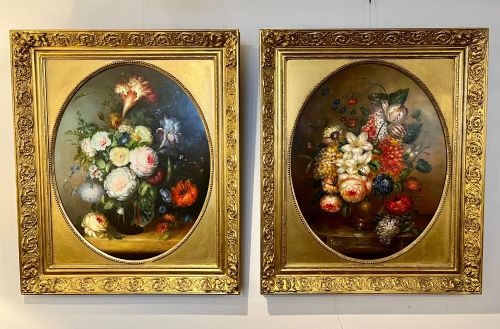
Many works incorporate prominent giltwood settings that complement the subject matter within. Whether examining a maritime seascape or a domestic interior, these pieces anchor their historical context through both the brushwork and the surrounding gilding.
Materials and construction
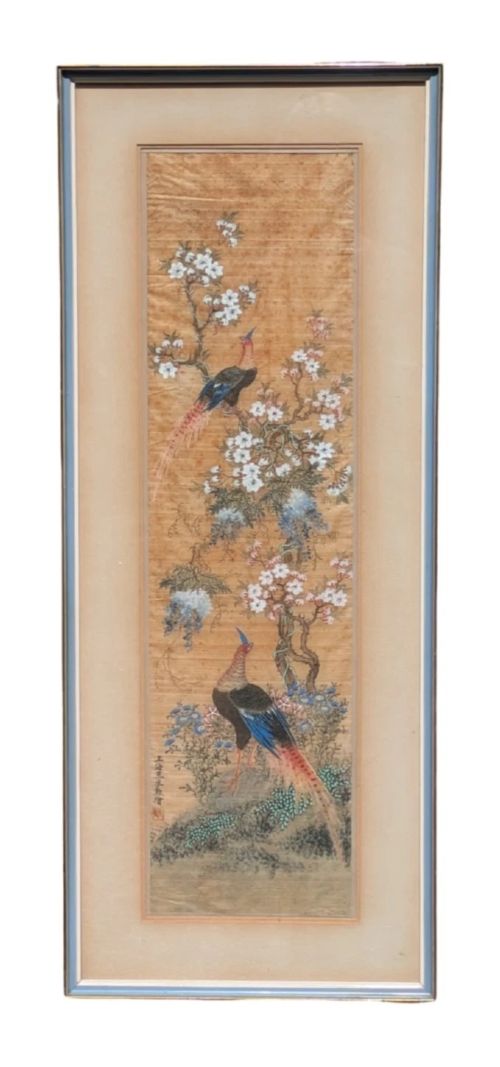
The physical construction of these works relies upon traditional supports such as woven canvas, wooden panels, and occasionally silk or paper. Painters applied oil paint or gouache to these surfaces, building up rich compositions that have survived across centuries.
Surrounding these canvases are frames formed from wood, heavily gilt to produce a luminous metallic finish. The gilding process involves applying thin sheets of gold or metallic leaf to a prepared wooden substrate, creating the characteristic golden frame painting aesthetic.
Pigments utilised in the older works were derived from natural minerals and oils, giving the painted surfaces distinct patinas. The combination of oil paint, wood panels, and giltwood frames defined the workshop practices of northern European artists.
Golden Frame Painting Retail Price Guide 2026
Typical asking prices for golden frame painting among the pieces listed under this phrase on Sellingantiques today, from the lower quarter to the upper quarter. They describe what is for sale here now, not the wider market.
Materials recorded include oil paint, giltwood, canvas, and wood panels across various European schools.
Assessing quality and execution
Quality in these works resides in the dexterity of the brushwork and the anatomical precision of the figures. Superior examples demonstrate a subtle handling of light and shadow, particularly in fabric textures, facial expressions, and atmospheric depths.
The integrity of the giltwood surround also contributes to the overall standard of the piece. Frames that retain their original gilding without excessive modern restoration hold a distinct visual harmony with the canvas they enclose.
Provenance and attribution further separate the exceptional pieces from standard workshop productions. Works bearing direct associations to established masters or well-documented schools exhibit a higher degree of artistic refinement.
Frans Hals·Nicolaes Maes·Cornelis Van Poelenburgh·Frans Snyders·Constantyn Netscher
The Golden Frame Painting Glossary
- Giltwood
- Wood that has been coated with gold leaf or a gold-coloured metallic finish. This material forms the ornate borders characteristic of many historical artworks.
- Oil on canvas
- A painting technique utilising pigments suspended in a drying oil applied to a stretched fabric support. This combination provides durability and texture.
- Dutch Golden Age
- A period in Dutch history spanning the seventeenth century wherein trade, science, and art flourished. Paintings from this era often feature dramatic lighting and realistic portraits.
- Oil on panel
- A method where the artist paints directly onto a prepared wooden board rather than fabric. Panels were frequently utilised during the seventeenth century.
- Still life
- An artwork depicting inanimate subject matter, typically commonplace objects such as flowers, fruit, or game. These compositions allow artists to showcase texture and arrangement.
Golden Frame Painting: Frequently Asked Questions
How do I date an old painting?
Dating relies on examining the stretcher frames, canvas weave, pigment types, and stylistic conventions used by the artist. Documentation or signatures can also provide specific chronological anchors.
Comparison with documented works from similar periods helps narrow down the decade of creation.
Are gilt frames original to the canvas?
Frames were frequently updated or replaced over the centuries to match prevailing interior decoration tastes. Determining originality requires inspecting the fit and wear patterns on both the canvas edge and the rebate of the frame.
Many historic paintings now reside in replacement frames from subsequent centuries.
What is a Dutch School painting?
The term refers to artists working in the Netherlands during the seventeenth century and later who shared similar technical approaches and subject matter. These works often focus on portraits, landscapes, and domestic scenes.
Followers and pupils often adopted these established styles long after the original era.
How should I care for an oil painting?
Maintain stable humidity and temperature levels away from direct sunlight to prevent the canvas from sagging or the oil paint from cracking. Avoid using liquid cleaners on the painted surface.
Dust gently with a soft, dry brush when necessary.