



Golden Bronze Statue
A golden bronze statue brings tactile weight and rich metallic lustre to a room, ranging from Art Deco birds to classical animal studies.
Golden Bronze Statue
When you search for a golden bronze statue, you are looking at cast metal figures spanning the nineteenth century and the twentieth century. These sculptural objects take many forms, including animalier studies, female figures, and mythological subjects.
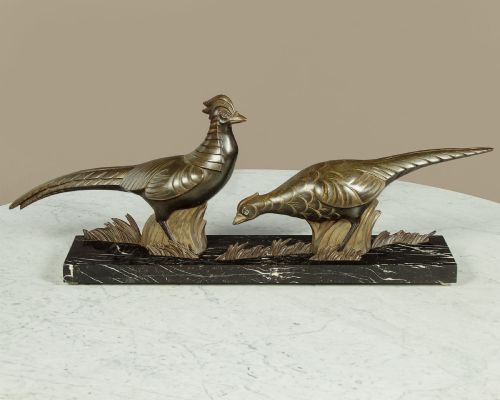
The versions most frequently met on this page include Art Deco depictions of birds and early twentieth-century Austrian animal bronzes. Pieces frequently incorporate bases of marble or onyx to anchor the weight of the metal.
Origins stretch from French workshops and Austrian foundries to Indian artisan traditions. The scale shifts from small cabinet figurines to substantial multi-kilogram sculptures designed for display on desks or mantelpieces.
Materials and methods
Foundries utilised bronze, gilt bronze, and patinated metal as primary casting mediums. Molten metal poured into moulds captured fine anatomical detail and textured surfaces.
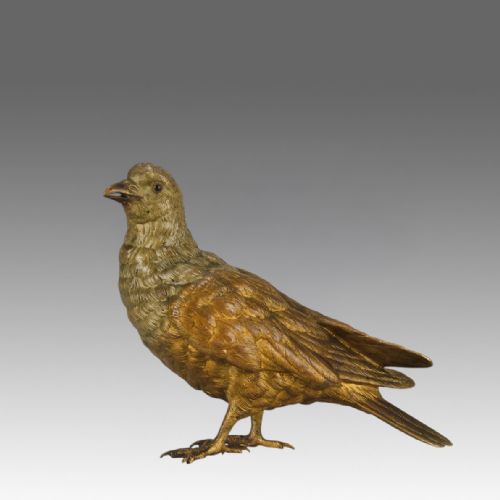
Cold-painted techniques applied pigments by hand onto the cooled metal surface without firing. Enamel paint and gilt accents added distinct coloration to feathers and garments.
Mounting required securing heavy metal figures onto shaped plinths of marble or onyx. Signed inscriptions and foundry marks were often chased directly into the bronze during finishing.
Golden Bronze Statue Retail Price Guide 2026
Typical asking prices for golden bronze statue among the pieces listed under this phrase on Sellingantiques today, from the lower quarter to the upper quarter. They describe what is for sale here now, not the wider market.
A metal pheasant stands patiently on a desk, entirely unaware it has been guarding the stationery for a century.
Distinguishing quality
The integrity of the original cold-painted surface or gilding preserves the intended appearance of the maker. Wear on manual paint layers alters the contrast between the metal and the pigments.
The selection and fit of the stone base, whether marble or onyx, contributes to the overall stability and proportion of the sculpture.
Franz Bergman·Louis Riché·Le Courtier·J Camus·Antonio Merente
The Golden Bronze Statue Glossary
- Animalier
- A nineteenth-century artistic style focusing on the realistic depiction of animals. Sculptors in this tradition studied live specimens closely to capture authentic musculature and posture.
- Cold-painted bronze
- A technique where bronze figures receive coloration through paint applied after casting and drying without high-temperature firing. This method was widely practiced by Austrian foundries.
- Gilt bronze
- Metal treated with a thin layer of gold applied to the surface. It provides a bright golden finish that resists tarnishing.
- Patinated metal
- Metal treated with chemical solutions to produce a specific surface coloration and tone. This process darkens or highlights the underlying material.
- Chasing
- The manual refinement of a cast metal surface using hammers and punches. Artisans use this step to sharpen details and remove casting flaws.
Golden Bronze Statue: Frequently Asked Questions
How do I clean a bronze statue?
Dust the surface gently with a soft, dry brush to remove accumulated particles. Avoid using water, detergents, or chemical polishes that can strip cold-painted surfaces or patination.
Apply a microcrystalline wax sparingly if the metal requires protection against moisture in the air. Buff the wax softly with a clean cloth to maintain a stable finish without creating a high gloss.
What is cold-painted bronze?
Cold-painted bronze refers to metal figures decorated with oil or enamel paints applied after the casting process. Unlike fired ceramics, these pigments rest on the metal surface without undergoing kiln baking.
This technique achieved vibrant coloration on small animalier figures, particularly in Austrian workshops. Care must be taken around these surfaces to prevent flaking.
How are marble bases attached?
Sculptures are typically secured to stone plinths using threaded rods or pins extending from the feet or base of the bronze through the marble. Nuts or plates underneath the stone lock the assembly together.
This mounting method adds necessary weight and stability to figures with dynamic postures. It also lifts the metal off furniture surfaces to prevent scratching.
Are these pieces signed?
Many sculptures feature artist signatures, foundry stamps, or title inscriptions chased directly into the bronze during production. These marks usually appear near the base or along the lower edge of the figure.
Signatures provide direct attribution to specific workshops or sculptors active during the nineteenth and twentieth centuries. Unsigned pieces rely on stylistic indicators and casting characteristics for identification.
Where should I display these sculptures?
Place statues on stable surfaces such as sideboards, desks, or mantelpieces where their weight is fully supported. Ensure the display area avoids direct, prolonged sunlight to protect cold-painted pigments and patinas.
Keep the pieces away from excessive humidity and heat sources like radiators to preserve the condition of the metal and any attached stone bases.