





Golden Painting
These golden antique painting selections bring together centuries of maritime scenes, detailed portraiture, and rich still life compositions.
Golden Painting
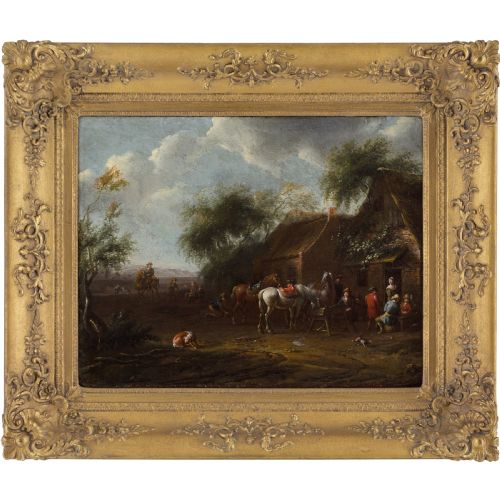
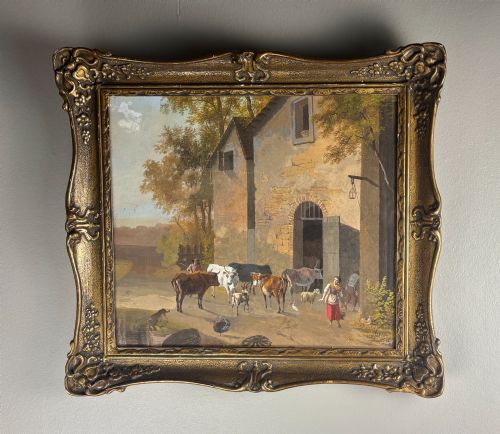
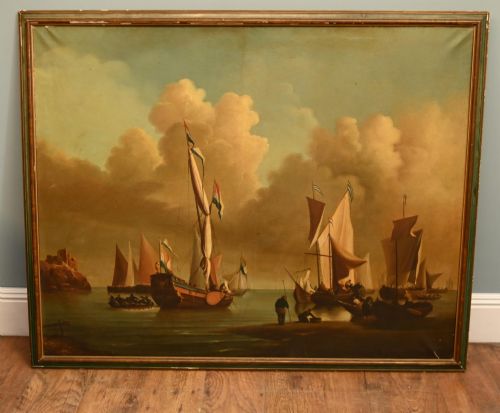
A golden antique painting search reveals a diverse mix of works, predominantly oil on canvas or panel spanning from the seventeenth century through the Edwardian era. Buyers encounter maritime views, landscape compositions, and formal portraiture originating from Dutch, Flemish, and broader European schools.
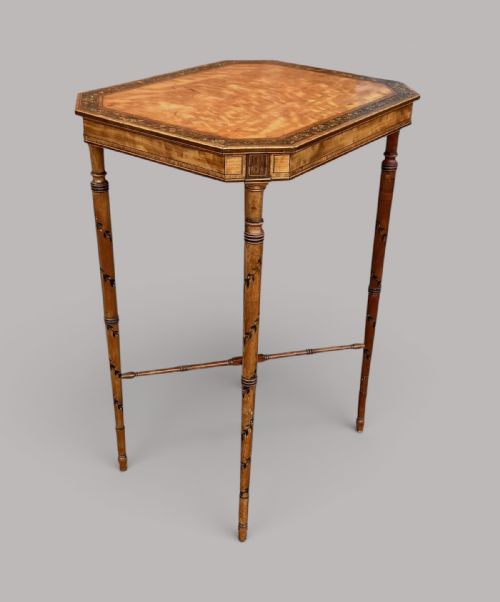
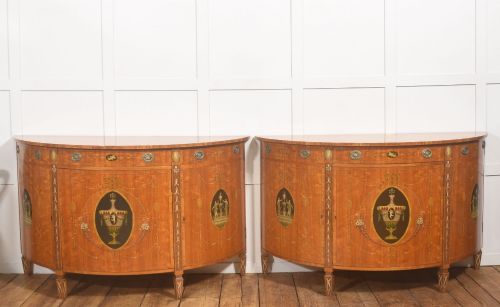
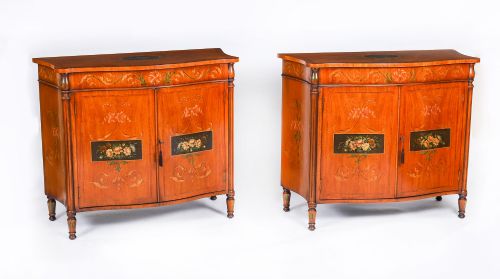
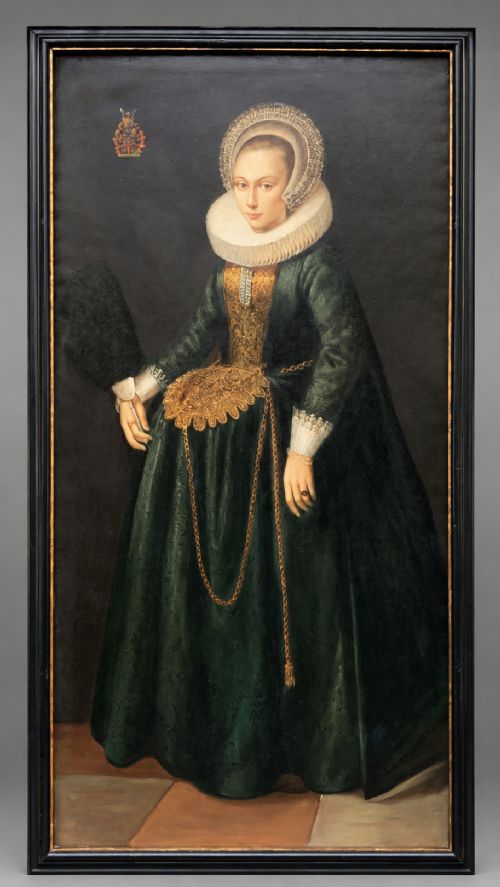
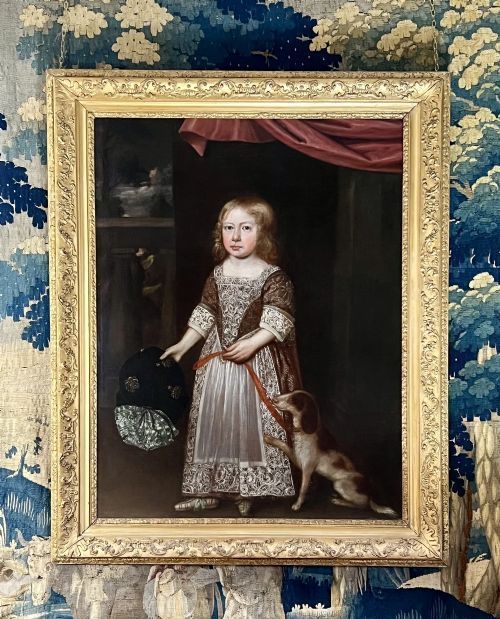
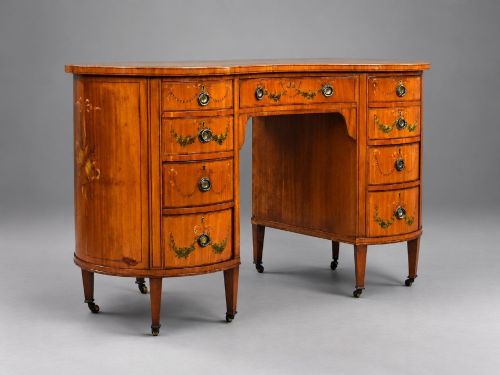
The assortment on this page frequently includes seventeenth-century portrait studies alongside later interpretations, capturing figures ranging from nobility and military officers to everyday subjects. Alongside pure canvases, the listings stretch to encompass painted satinwood cabinetry and furniture carrying decorative oil and polychrome details.
Many works reflect regional European styles, particularly the Dutch Golden Age and subsequent nineteenth-century revivals. Whether acquiring a dark, atmospheric sea view or a bright floral still life, collectors select pieces defined by historic hand-rendered pigments and canvas supports.
How They Were Made
Painters of these periods typically applied oil paint onto stretched canvas, prepared wooden panels, or occasionally gouache on paper. Artisans built depth through layered pigment, often working within established European studio traditions using natural earth and mineral colours.
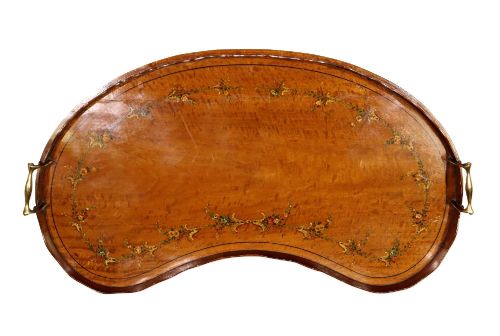
Framing and related decorative items utilise timber supports such as satinwood, giltwood, and oak, frequently enhanced with hand-painted floral decoration, inlay, or scumble paintwork. These structural elements combine joinery with applied surface ornamentation characteristic of periods like the Sheraton Revival and Edwardian eras.
Golden Painting Retail Price Guide 2026
Typical asking prices for golden painting among the pieces listed under this phrase on Sellingantiques today, from the lower quarter to the upper quarter. They describe what is for sale here now, not the wider market.
One seventeenth-century portrait captures a lady caught in the cheerful act of picking oranges.
What Varies in Quality
Quality in these works rests upon the precision of brushwork, the handling of light and shadow, and the psychological depth captured in portrait subjects. Works attributed to named European masters or established circles display superior anatomical proportion and pigment preservation compared to anonymous decorative copies.
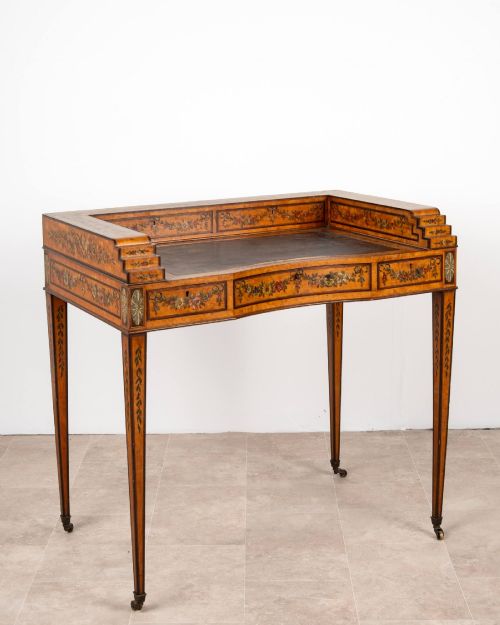
In painted furniture and cabinetry, distinction lies in the crispness of the hand-painted floral motifs and the integrity of the underlying satinwood or timber construction. Original decorative surfaces command greater attention than later or refreshed embellishments.
Cornelis Van Der Voort·Karel Dujardin·Barent Gael·Constantyn Netscher·Hampton and Sons·Pieter Borsseler·Bartholomeus van der Helst·Gaspar Peeter Verbruggen·David Teniers·Harald Foss·Jan van Staveren
The Golden Painting Glossary
- Oil on Canvas
- A painting medium where pigments are suspended in a drying oil, applied to a woven fabric support stretched across a wooden frame. This technique allowed artists to achieve rich colour saturation and subtle blending.
- Dutch Golden Age
- A period in seventeenth-century painting marked by immense artistic output, renowned for detailed portraiture, maritime scenes, and still life compositions. Works from this tradition often feature dramatic lighting effects.
- Giltwood
- Wood that has been coated with a thin layer of gold leaf or powder, frequently utilised for ornate antique picture frames and decorative mouldings. It provides a luminous border that complements the dark varnishes of older canvases.
- Satinwood
- A durable tropical hardwood with a lustrous, golden-yellow sheen, popular in fine furniture production during the Regency and Edwardian eras. It often served as a smooth canvas for hand-painted floral decoration.
- Scumble
- A painting technique involving the application of a thin, translucent layer of light paint over a darker base to create a textured, aged appearance. This method also appeared in faux wood grain finishes on nineteenth-century wardrobes.
Golden Painting: Frequently Asked Questions
What subjects appear most often in these paintings?
The selections frequently showcase historic European portraiture, shipping vessels in rolling seas, and detailed still life arrangements of fruit or flowers. Figures range from seventeenth-century nobility and military officers to scholars and everyday travellers.
Alongside traditional canvas works, buyers also encounter painted decorative scenes integrated into Edwardian satinwood furniture such as display cabinets, writing desks, and occasional tables.
How do I identify a seventeenth-century canvas?
Seventeenth-century works typically employ oil paint on hand-woven canvas or prepared wooden panels, reflecting the darker, dramatic palettes of the Dutch and Flemish schools. These pieces often feature visible craquelure, which is the natural fine network of cracking in aged paint layers.
Attributions in the titles often reference specific artist circles or historic European portrait traditions, helping collectors connect the piece to a particular painting school or century.
Where were painted satinwood cabinets made?
Painted satinwood cabinets and furniture pieces on this page originate predominantly from British workshops dating around the Edwardian period and the Sheraton Revival. Makers utilised imported tropical satinwood as a smooth base for intricate hand-painted floral decorations and inlay.
These items were designed to bring lighter, neoclassical elegance into period homes, often combining functional storage with fine artistic embellishment on the doors and panels.
How should I care for an antique oil painting?
Antique canvases and wooden panels require stable indoor environments away from direct sunlight and sudden humidity shifts, which can cause the paint layers to warp or crack. Keeping the display area at a moderate temperature preserves both the canvas tension and the delicate varnish.
Dusting should be done gently with a soft, dry brush, avoiding liquid cleaners or chemical agents that might damage historic pigments or historical oil glazes.