
Gold Worcester Porcelain
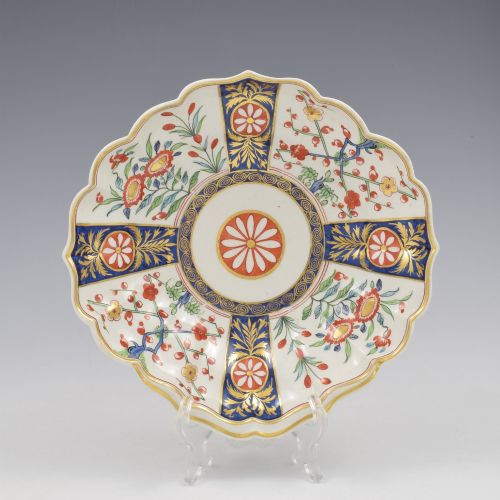
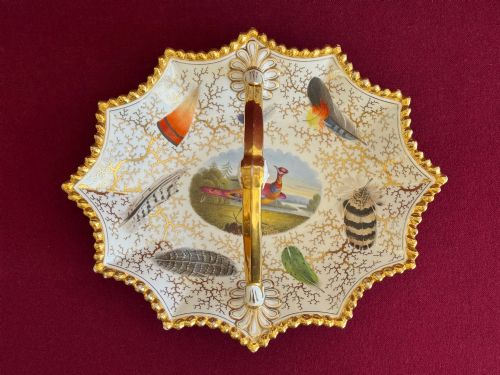
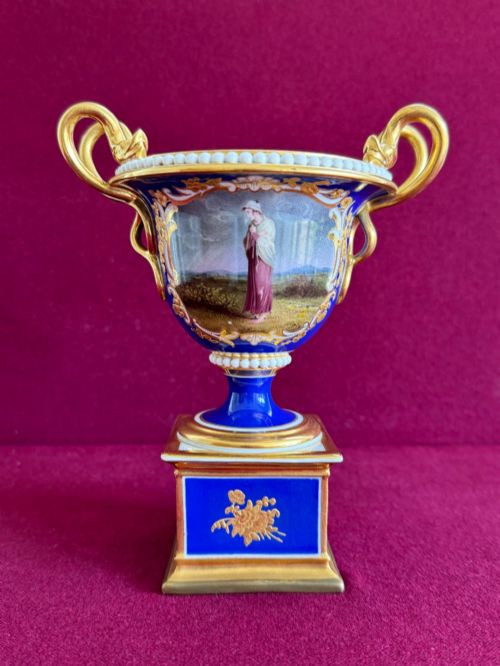
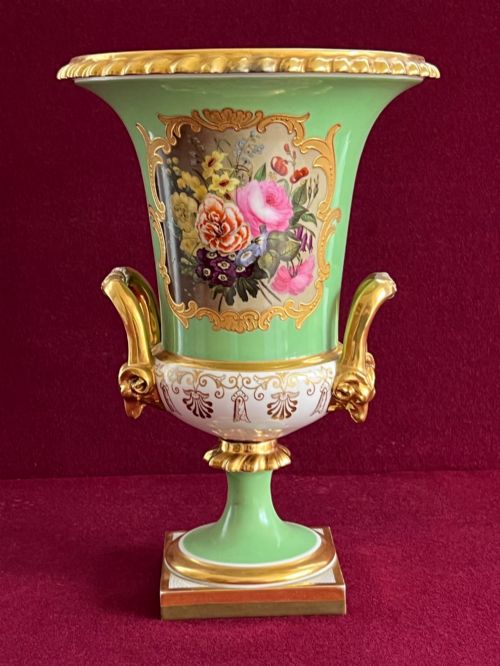
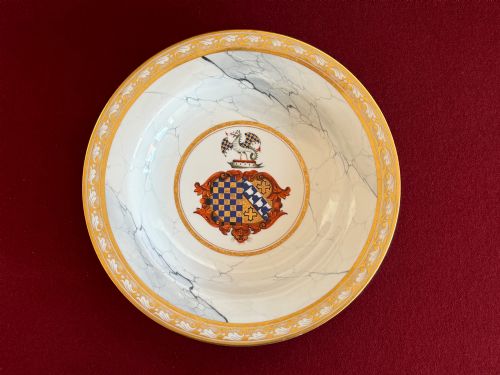
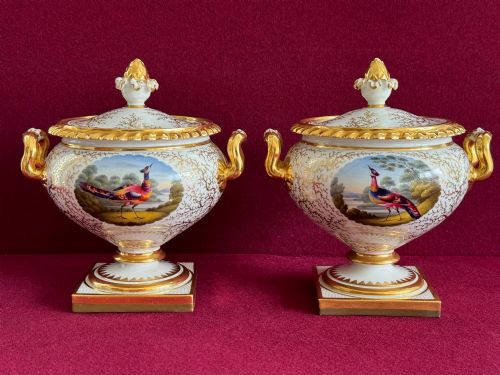
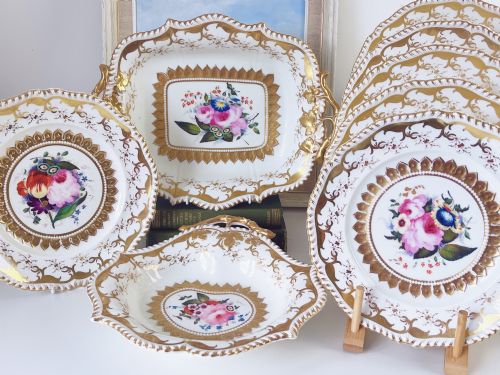
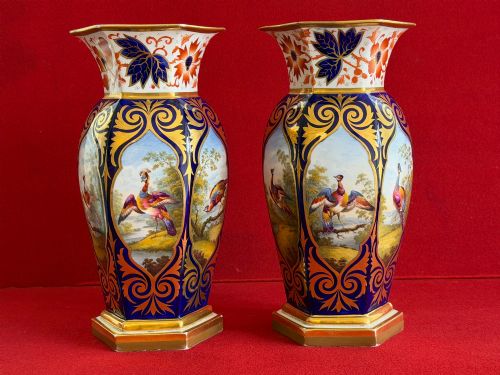
Gold worcester porcelain comprises cabinet plates, vases and decorative wares enriched with gilding, holding a prominent place in English ceramic history.
Gold Worcester Porcelain
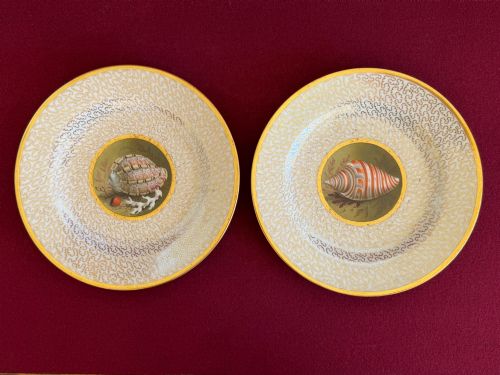
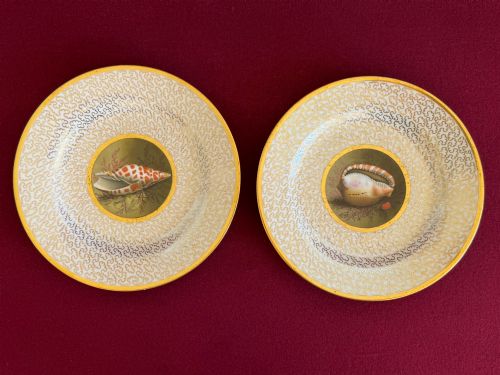
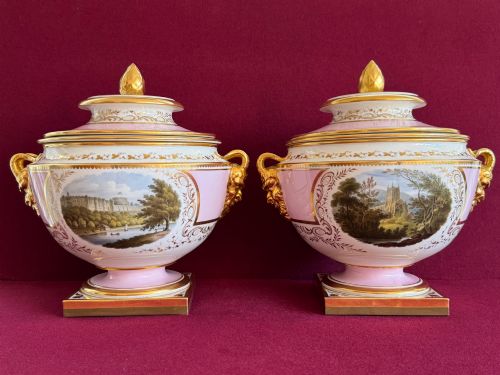
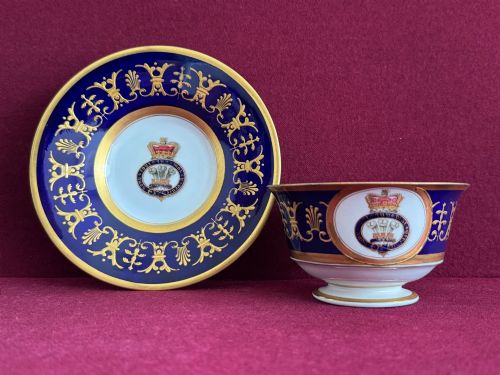
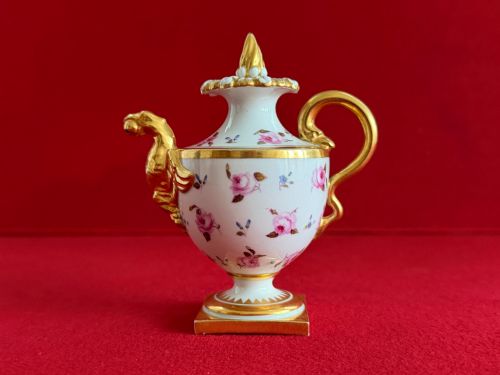
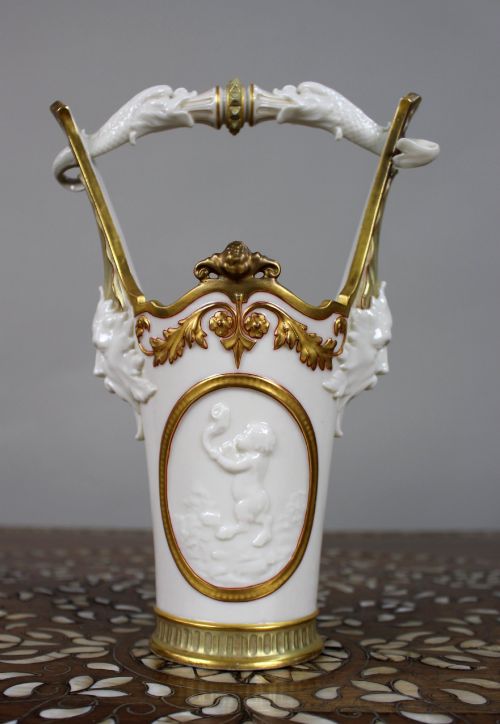
Gold worcester porcelain encompasses a diverse array of decorative and utilitarian objects, including cabinet plates, vases, urns, figurines, and tea wares. These pieces span multiple periods such as the Georgian, Regency, Victorian, and twentieth century, reflecting shifting aesthetic movements from traditional English designs to Art Deco.
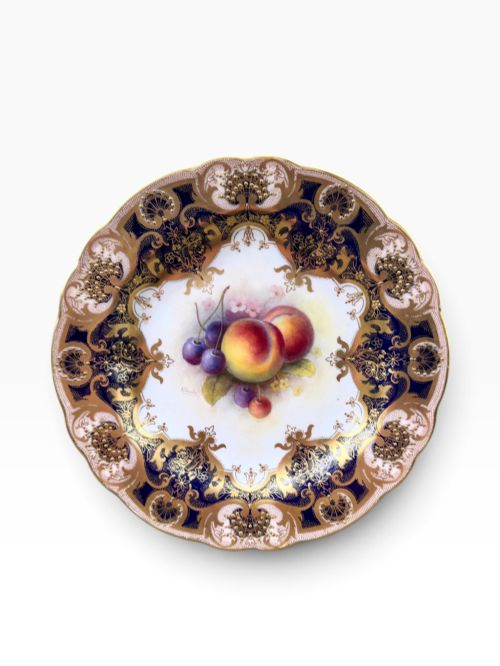
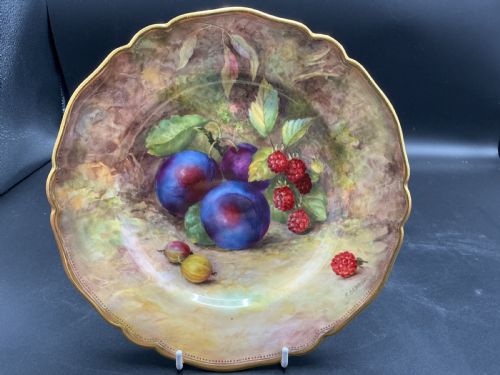
The most prevalent examples on this page are Royal Worcester painted fruit cabinet plates signed by notable artists, alongside earlier nineteenth-century wares from factories like Flight, Barr & Barr and Chamberlains. Buyers frequently encounter blush ivory floral vases and detailed topographical or botanical services originating from the famous Worcestershire potteries.
How they were made
The foundation of these objects is fine porcelain or bone china, shaped into plates, vessels, and sculptural figurines before receiving initial kiln firings. Artisans then applied intricate handpainted decoration, utilising enamel colours alongside gold leaf and rich gilding to highlight borders and motifs.
Specialised techniques such as reticulation, blush ivory glazing, and pattern printing defined the production across different eras. Master painters often signed their detailed fruit and floral compositions directly onto the glazed ceramic surface before a final low-temperature fixation.
Some Victorian water carriers wear tiny painted turbans while standing resolutely inside modern display cabinets.
What varies in quality
The distinction between standard production and the highest grade lies in the execution of the handpainted artistry and the complexity of the gilding. Signed works by renowned decorators command attention through superior brushwork, depth of colour, and precise attention to detail in subjects like fruit and birds.
Form and ornamentation also determine standard, with heavily reticulated bodies, sculptural elements, and matched services representing more ambitious manufacturing feats. The crispness of the porcelain moulding and the preservation of the gold leaf over decades indicate the original tier of the piece.
Grainger Lee And Co·Flight Barr And Barr·Royal Worcester·Chamberlain Worcester·James Hadley
The Gold Worcester Porcelain Glossary
- Cabinet plate
- A decorative ceramic plate intended for display in a cabinet rather than for dining use. These often feature elaborate handpainted scenes.
- Blush ivory
- A matte cream-coloured ceramic ground developed by Royal Worcester that mimics the appearance of ivory. It provides a soft backdrop for gilt and floral ornamentation.
- Gilding
- The application of gold leaf or gold powder to the surface of porcelain. It outlines panels, frames painted scenes, and accents handles.
- Reticulation
- An openwork lattice pattern pierced through the clay body before firing. This technique requires exceptional skill to prevent warping in the kiln.
- Coffee can
- A straight-sided cylindrical porcelain cup used for drinking coffee in the Georgian and Regency periods. These are frequently paired with matching saucers.
Gold Worcester Porcelain: Frequently Asked Questions
How do I date a piece?
Dating relies on factory factory marks, impressed ciphers, and pattern numbers stamped or painted on the base. Comparing the style of the decoration to documented periods helps narrow the manufacturing window.
Changes in company names, such as transitions from Barr to Flight Barr & Barr, provide precise chronological markers for early nineteenth-century items.
Were these items used daily?
Many decorative items like cabinet plates and exhibition vases were created strictly for display in wealthy homes. Functional forms such as coffee cans, chocolate cups, and dessert services saw actual use in formal dining rooms.
Over time, surviving utilitarian pieces transitioned into cabinet displays as their artistic and historical value became appreciated.
How should I clean them?
Cleaning requires gentle dusting with a soft, dry brush to prevent accumulation on textured surfaces. Harsh detergents and abrasive materials must be avoided to protect delicate enamel and gold leaf.
Immersion in water is generally discouraged for pieces with fragile gilt decoration or historic repairs.
What is blush ivory?
Blush ivory is a specialised ceramic finish introduced in the late nineteenth century that gives porcelain a warm, matte cream appearance. It mimics natural ivory and serves as a base for painted floral motifs.
This finish is characteristic of specific Victorian and Edwardian production eras from the Worcester manufactory.