





Gold Vanity Glass
Gold vanity glass encompasses gilded mirrors, scent bottles, and trays from periods like the Victorian and Art Deco eras that bring reflective elegance to a dressing space.
Gold Vanity Glass
When you search for gold vanity glass, you encounter a selection of dressing table accessories, mirrors, and scent bottles that integrate gilded surfaces and reflective elements. The pieces most likely to appear on this page hail from nineteenth-century and early twentieth-century workshops, spanning French, Italian, and English traditions.
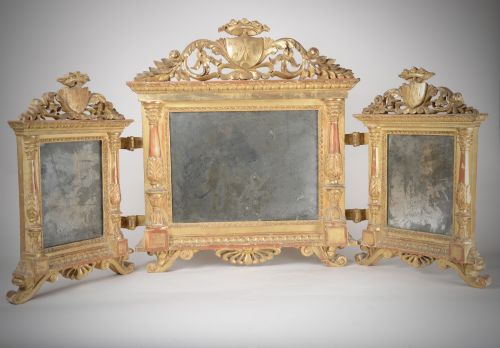
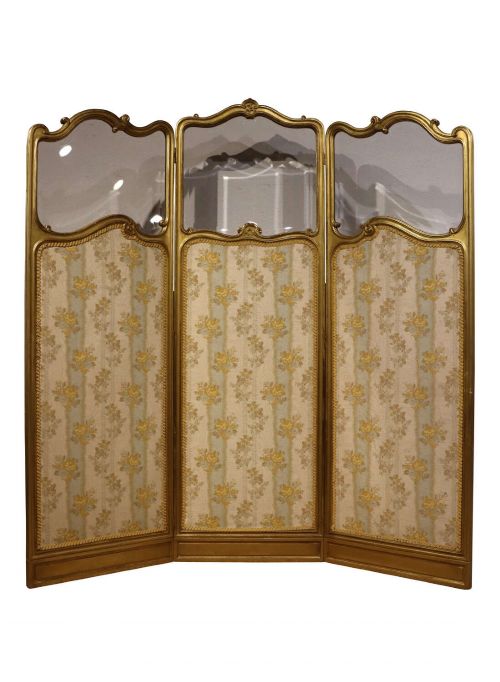
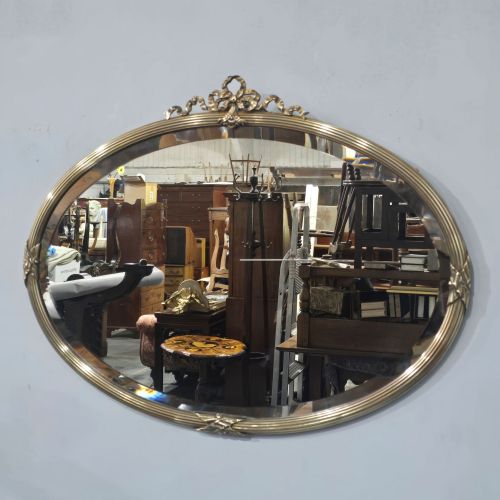
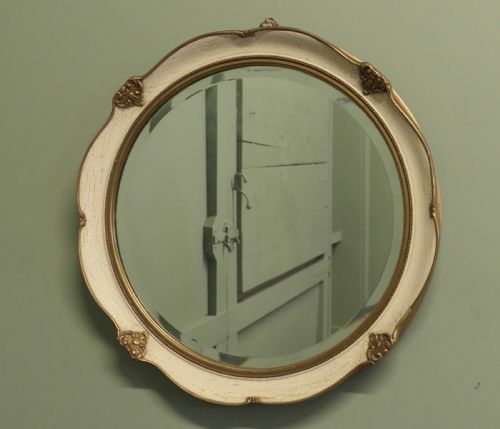
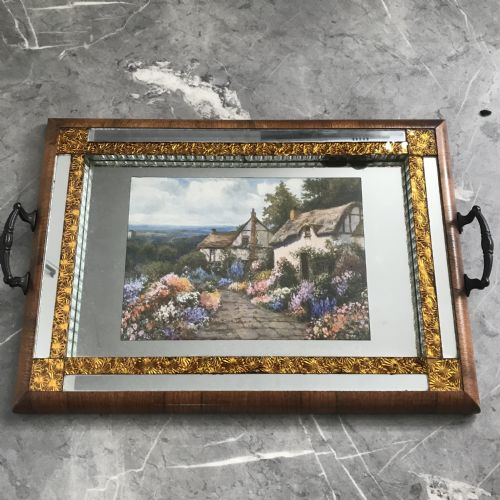
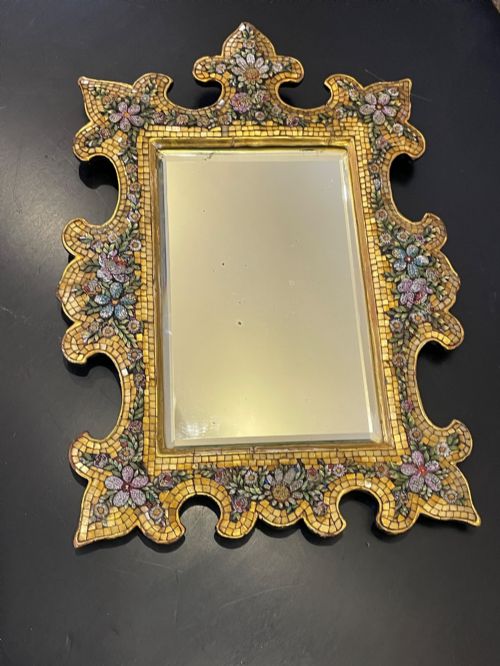
Mirrors form a central component of this category, ranging from small table-top styles in brass and gilt gesso to large wall-hanging pieces influenced by French Rococo and Louis XVI designs. Alongside these are vanity screens, dressing table trays, and perfume bottles mounted in silver gilt or ormolu.
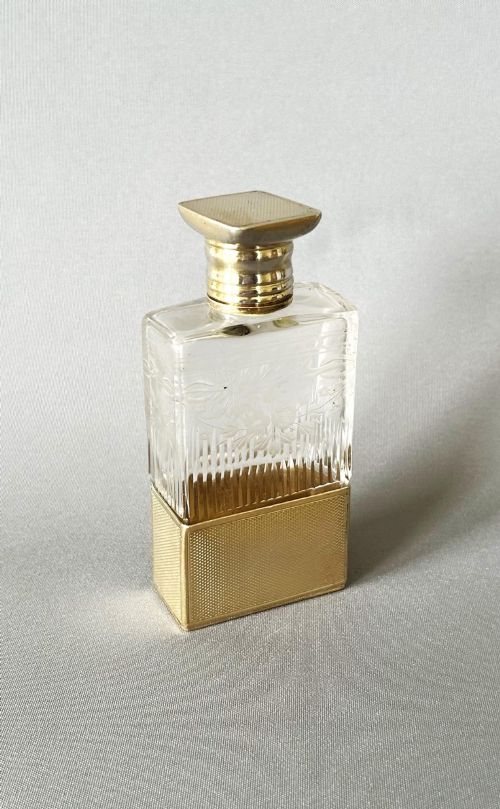
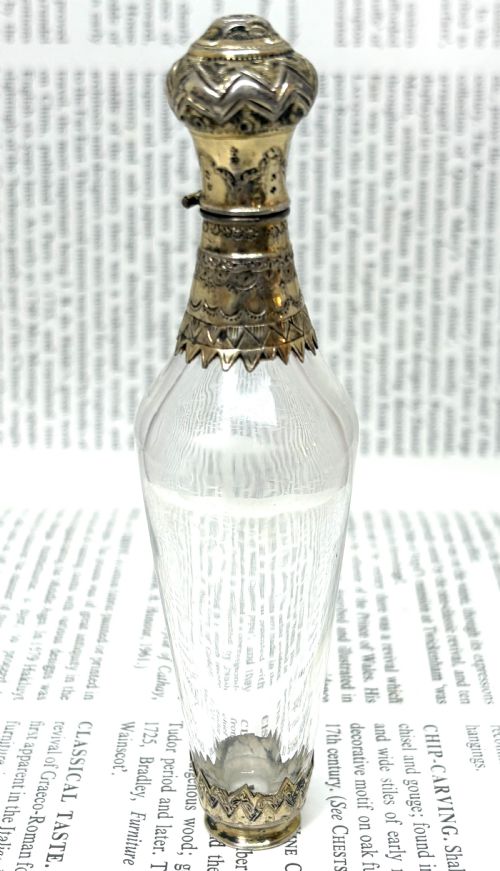
The selection extends to small containers and atomisers featuring cut crystal, guilloche enamel, and micro mosaic details. These items were designed to sit upon dressing tables, reflecting light and holding personal adornments in domestic interiors.
Materials and construction
Makers utilised wood, brass, and bronze as structural foundations for mirrors and frames, applying gold leaf, gesso, or parcel gilt finishes to achieve surface brilliance. Giltwood and gilt gesso carvings required skilled handwork to shape intricate ribbons, bows, and scrolling foliage.
Glass production combined traditional blown and bevelled mirror plates with cut crystal for scent bottles and atomisers. Metalwork components often involved cast brass, silver gilt, and ormolu mounts fitted securely to glass bodies.
Secondary materials such as walnut veneer, silk panels, and guilloche enamel provided contrast and texture within trays, screens, and lidded jars. These varied elements were assembled with traditional joinery and metal fittings suited to daily use on dressing tables.
Gold Vanity Glass Retail Price Guide 2026
Typical asking prices for gold vanity glass among the pieces listed under this phrase on Sellingantiques today, from the lower quarter to the upper quarter. They describe what is for sale here now, not the wider market.
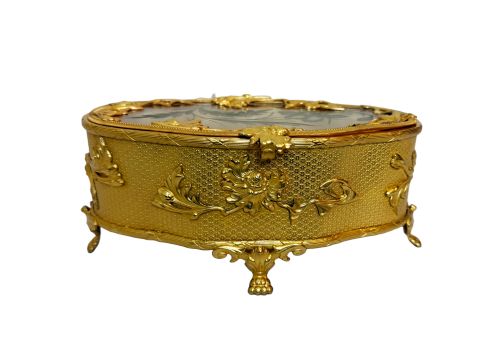
A gilded eagle watches over an antique French box, standing ready to guard your most treasured trinkets.
Assessing quality
Quality rests upon the crispness of the hand-carved detail in giltwood and gesso frames, as well as the purity of the gilding technique. Finer pieces display sharp moulding and well-preserved leaf application rather than heavy or indistinct casts.
The integrity of the glass itself differentiates examples, with bevelled plates and heavy cut crystal demonstrating superior craftsmanship. Original mirror plates showing soft foxing hold greater character than modern replacements.
Hardware and secondary materials also indicate standard; substantial brass mounts, robust hinges on folding screens, and intact silk or enamel panels elevate an object. The harmony between the metalwork, glass, and gilded frame dictates the overall merit of the piece.
René Lalique·Goldsmith's and Silversmith's Co.·S. Morden and co
The Gold Vanity Glass Glossary
- Giltwood
- Wood that has been coated with gold leaf or powder. This finish appears frequently on nineteenth-century French and Italian frames.
- Ormolu
- Finely ground high-carat gold cast-bronze ornamentation. It provides a bright metallic trim on nineteenth-century boxes and mirror mounts.
- Guilloche
- Decorative engine-turned engraving applied to metal beneath translucent enamel. It decorates lidded jars and atomisers from the twentieth century.
- Bevelled glass
- Mirror or window glass with an angled edge ground down to a thinner profile. This technique adds depth and catches light along the border.
- Gesso
- A plaster-like mixture applied to wood frames before gilding. Artisans carve and stamp intricate patterns directly into this surface.
Gold Vanity Glass: Frequently Asked Questions
What is gold vanity glass?
Gold vanity glass refers to decorative items intended for dressing tables that incorporate reflective glass and gilded or brass frames. This group includes mirrors, scent bottles, atomisers, and trays.
These pieces were produced across the eighteenth, nineteenth, and early twentieth centuries in various European styles. They served both practical and decorative functions in private dressing rooms.
How were vanity mirrors used?
Table mirrors and folding vanity screens provided adjustable reflections for grooming and dressing hair. They often sat upon dressing chests or tables alongside matching perfume bottles and trinket boxes.
Wall-hanging versions brought light into darker corners of bedrooms and hallways while acting as decorative focal points. Their ornate frames reflected the aesthetic tastes of their respective periods.
How do I clean gilded frames?
Gilded wood and gesso surfaces require delicate care to avoid removing the thin layer of gold leaf. Dusting with a soft, dry brush is the safest method for regular maintenance.
Avoid using liquid cleaners, chemical sprays, or abrasive cloths on antique gilding. Moisture can soften the underlying gesso and cause the gold finish to flake.
How do I identify a Victorian mirror?
Victorian mirrors often feature heavy brass frames, rich gilt gesso ornament, or naturalistic motifs such as cherubs and floral swags. Construction techniques typically involve older screw types and substantial backboards.
Examining the mirror plate can also reveal age through slight oxidisation or bevelling characteristics. French and English pieces from this era frequently adopt Rococo or neoclassical revival styles.