





Gold Tone Portrait
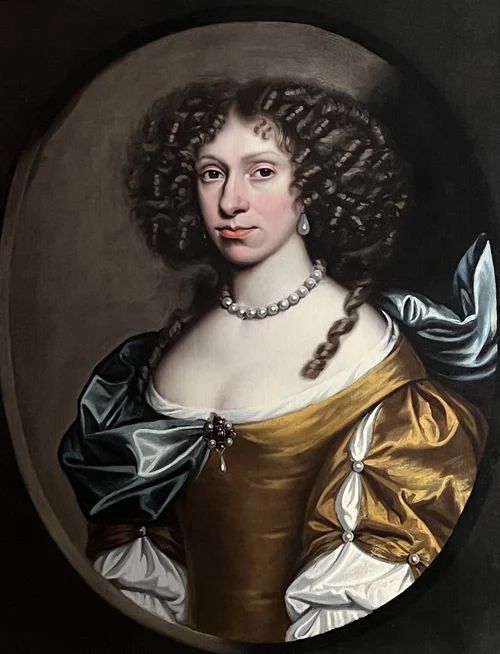
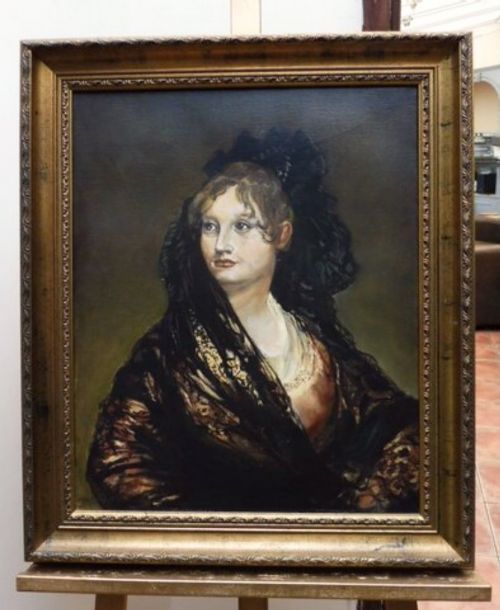
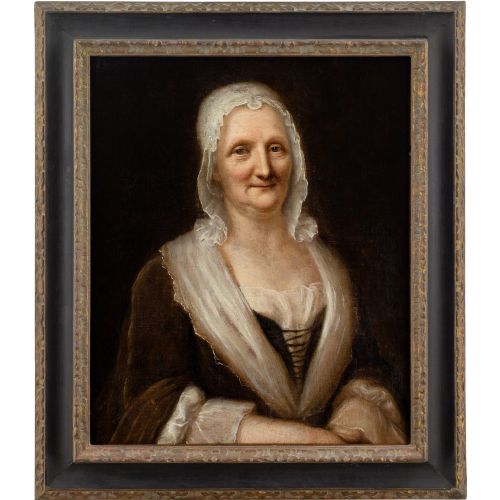
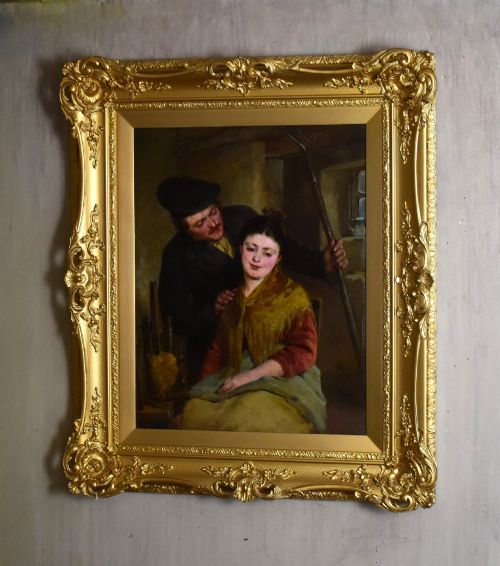
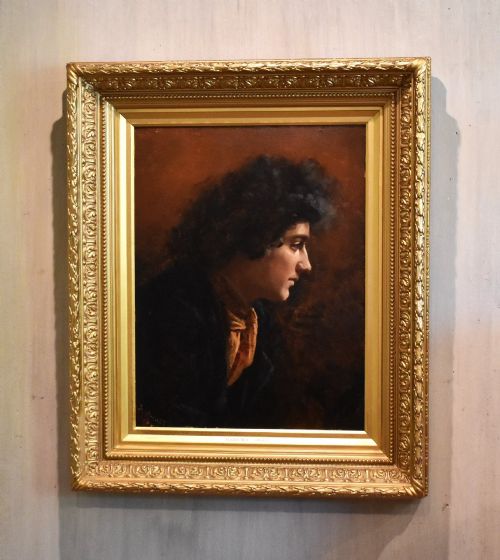
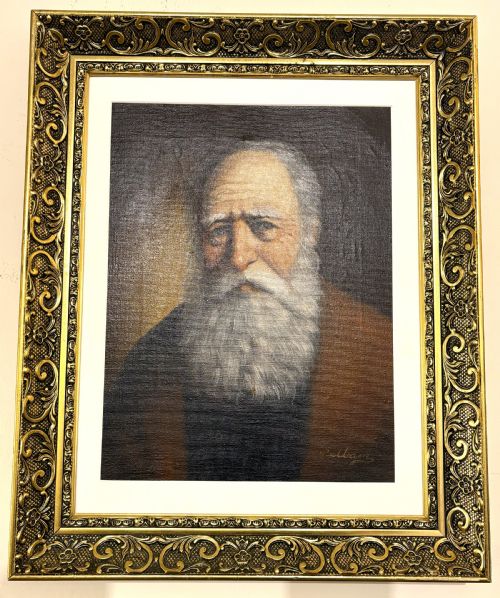
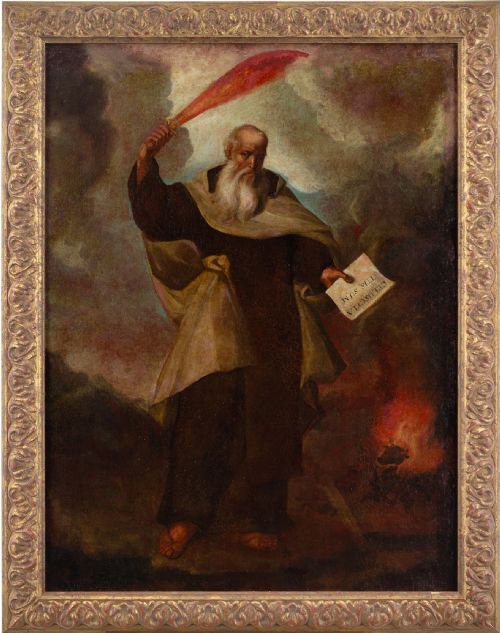
These gold tone antique portrait pieces combine oil paint, canvas and giltwood frames to capture historical subjects across centuries.
Gold Tone Portrait
A gold tone antique portrait brings together historical oil paintings and the luminous warmth of gilt frames, capturing figures from the seventeenth, eighteenth, and nineteenth centuries. When searching for this phrase, collectors encounter works ranging from intimate portrait miniatures and canvas oils to broader fine art paintings.
The selections available here lean heavily into Victorian, Georgian, and Baroque styles, often featuring British, French, Spanish, or Flemish origins. These works showcase subjects from noble sitters and engineers to genre figures, each framed in materials like wood, gesso, and gold leaf.
Materials and construction
These works rely on oil on canvas as the primary painting medium, sometimes supported by monochrome ink with watercolour on paper. Artists applied oil paints to build depth in skin tones and garments, while contemporary or later hands mounted the canvases into wooden stretchers.
Frames play a crucial role in the presentation, constructed from wood and gesso finished with gold leaf or giltwood. The application of gesso beneath the gold leaf creates the raised ornamentation characteristic of Baroque, Georgian, and Victorian framing techniques.
Listings feature oil paintings on canvas alongside framed prints, spanning periods from the seventeenth century to the twentieth century in various European schools.
Assessing quality in historical portraits
Quality rests primarily in the handling of the oil paint, particularly how the artist manages light, shadow, and the psychological depth of the sitter. Superior examples demonstrate confident brushwork and anatomical precision, whereas lesser pieces show stiff rendering and flat application.
The relationship between the painting and its frame also dictates overall standard, as period-correct giltwood and gesso frames that match the age of the canvas elevate the piece. Surviving signatures, recorded attributions to known schools or painters, and well-preserved canvas integrity further separate ordinary works from exceptional ones.
David Scougall·Howard Helmick·Florence Small·John Watkins Chapman·David Teniers II·Juan Ruiz Soriano·Peter Paul Rubens·Alexander Melville·Robert Ker Porter
The Gold Tone Portrait Glossary
- Giltwood
- Wood carved and coated with gold leaf or gold paint. This finish provides the characteristic metallic warmth surrounding antique canvas works.
- Gesso
- A plaster mix applied to wood frames to create a smooth surface for gilding. It allows craftsmen to model intricate relief ornamentation.
- Genre painting
- The pictorial representation of scenes from everyday life. These works depict ordinary people engaged in common activities rather than formal portraiture.
- Portrait miniature
- A small-scale painting capturing a likeness. These delicate works require precise brushwork to achieve detail in a restricted format.
- Baroque
- An artistic style spanning the seventeenth and eighteenth centuries. It emphasises dramatic lighting, rich colour, and emotional intensity.
Gold Tone Portrait: Frequently Asked Questions
What periods do these portraits cover?
The listings span from the seventeenth century through the Victorian era and into the twentieth century. They encompass Baroque, Georgian, and nineteenth-century British aesthetics.
Specific dates on canvases range from early seventeenth-century works up to pieces created in the nineteen-sixties referencing earlier Spanish masters.
How should I care for a giltwood frame?
Giltwood frames require stable indoor humidity and protection from direct sunlight to prevent the gesso and gold leaf from cracking. Dust them gently with a soft, dry brush without using liquid cleaners.
Harsh chemicals strip the metallic leaf and damage the underlying wooden structure permanently.
What is the difference between oil on canvas and a print?
Oil on canvas involves direct application of pigmented oil paint by hand onto a woven fabric support. This method leaves visible brush texture and layers of pigment.
Prints reproduce an image mechanically or photographically onto paper or canvas, lacking the tactile build-up of paint found in original artworks.
How do I identify a Victorian portrait?
Victorian portraits often feature sitters in mid-nineteenth-century attire, accompanied by rich interior backdrops or landscape elements. The framing typically utilises heavier moulded gesso and giltwood.
Canvas stamps from nineteenth-century colourmen on the reverse also help confirm the era of production.