




Gold Silk Textile
A gold silk textile brings centuries of needlework, metallic thread and global traditions into your home as framed art, wall hangings and cushions.
Gold Silk Textile
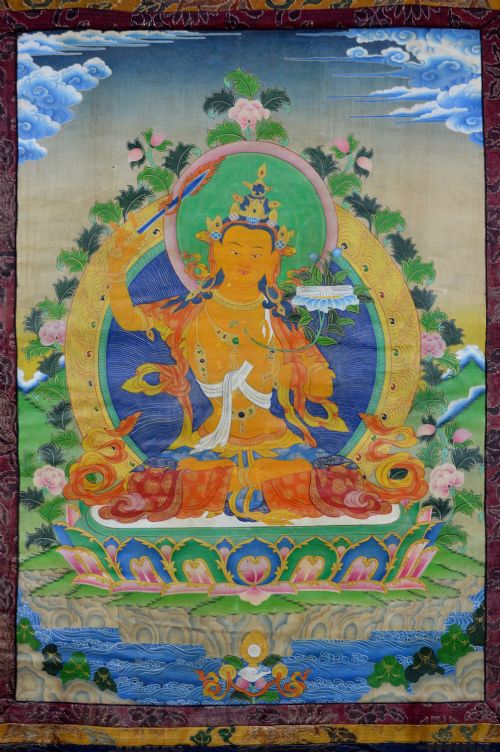
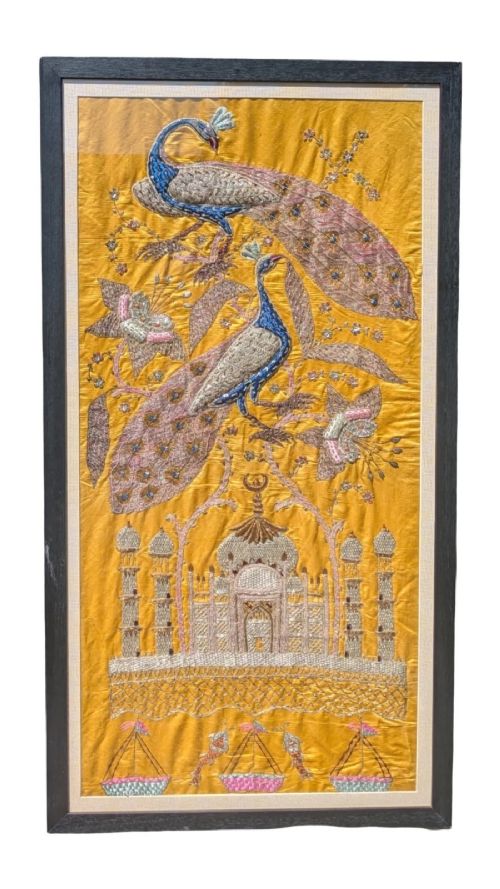
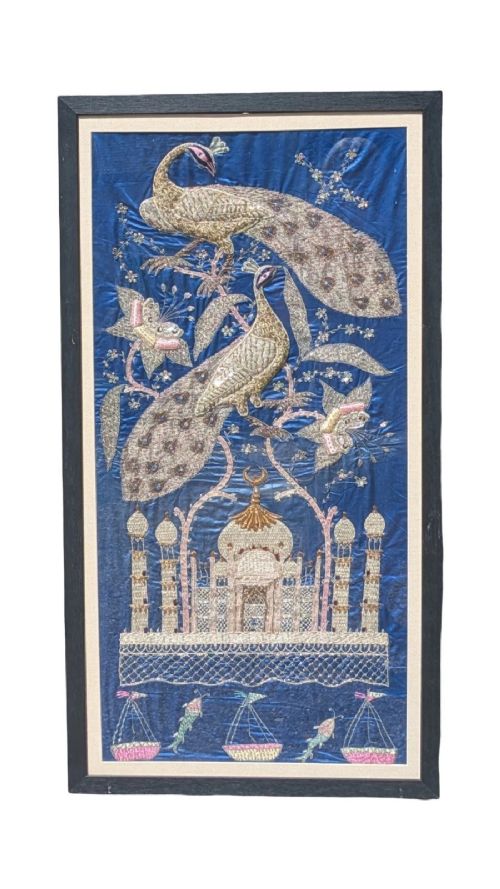
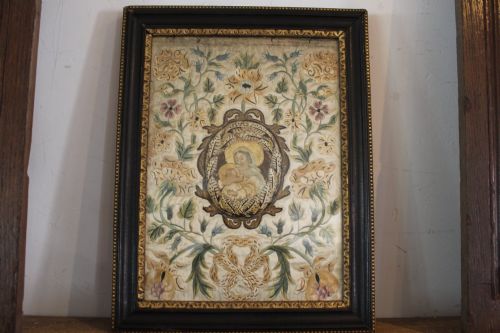
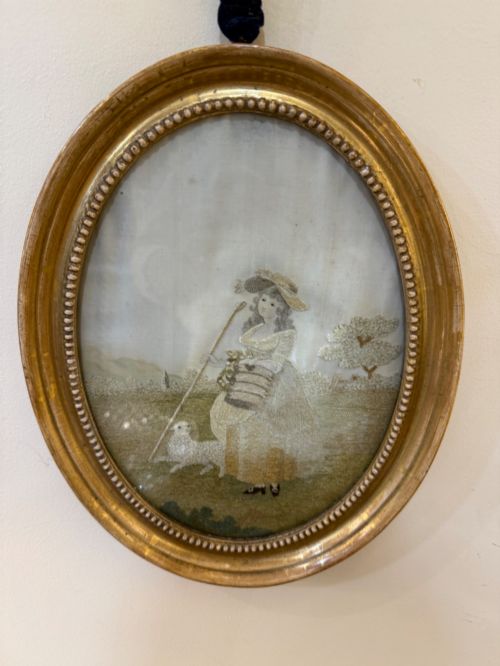
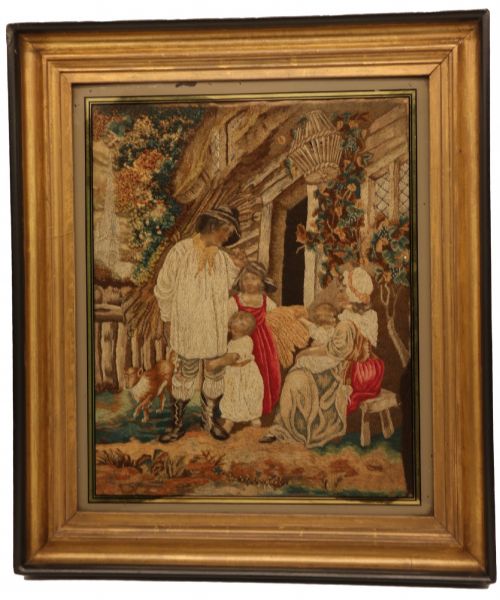
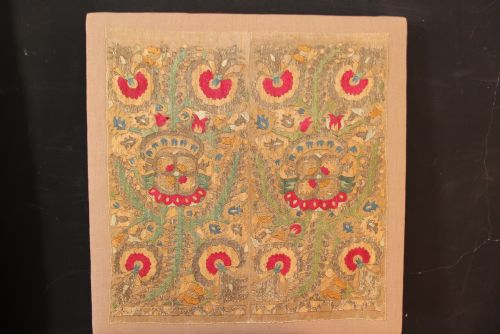
A gold silk textile search reveals a diverse range of historic needlework, embroidered panels, and woven pieces from various international origins. These items include framed textile art, wall hangings, and decorative cushions that span several centuries.
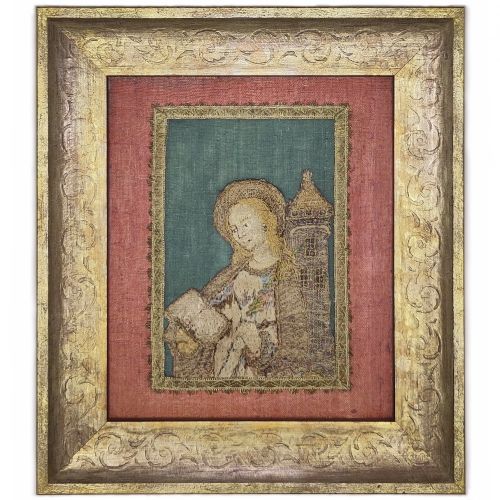
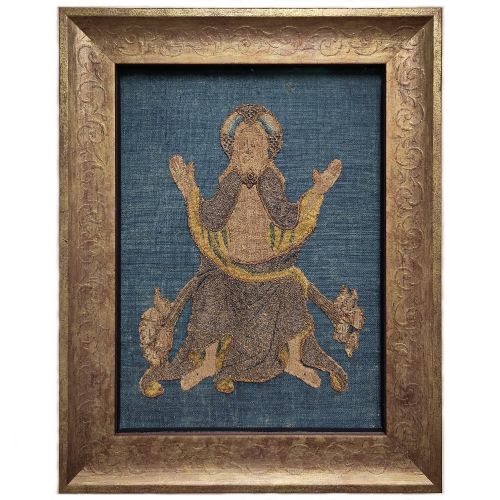
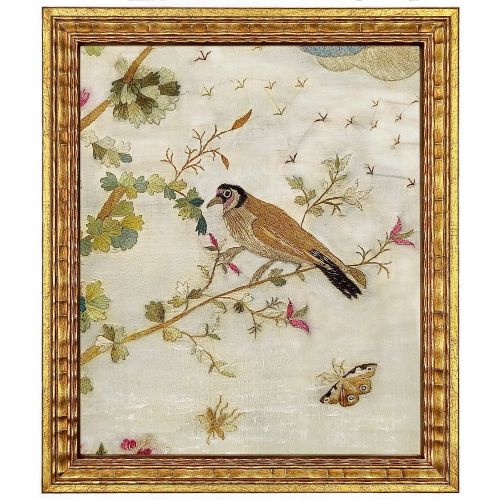
The most common examples on this page are 18th-century and 19th-century needlework pictures, alongside embroidered panels from Ottoman, Indian, Chinese, and English traditions. Pieces often feature depictions of historic scenes, landscapes, flora, and fauna.
Formats vary from framed textile art and folding screens to garments like jackets and robes, as well as architectural hangings such as pilaster strips and cushion covers.
Materials and construction techniques
Makers utilised silk as the primary ground fabric, often combining it with metallic thread, wool, and velvet to create textured and reflective surfaces. Frames incorporate wood, glass, and giltwood to house and display these fragile textile art pieces.
Stitching methods recorded in the listings include detailed embroidery, crewel work, stumpwork, and tapestry weaving. Hand-painted elements frequently accompany the needlework in English and European picture panels.
Gold Silk Textile Retail Price Guide 2026
Typical asking prices for gold silk textile among the pieces listed under this phrase on Sellingantiques today, from the lower quarter to the upper quarter. They describe what is for sale here now, not the wider market.
Listings feature items from the 17th, 18th, and 19th centuries, utilising silk, metallic thread, wool, and giltwood.
Evaluating quality and execution
The degree of fineness in the needlework and the complexity of the metallic thread work distinguish finer examples from standard decorative pieces. Dense stitching and intricate pictorial composition reflect superior artisan skill.
Condition and originality play a significant part, particularly how well the delicate silk ground and metallic threads survive across centuries. Retaining original frames, such as octagonal gilt wood or period surrounds, elevates the integrity of the textile.
The Gold Silk Textile Glossary
- Ciselé silk velvet
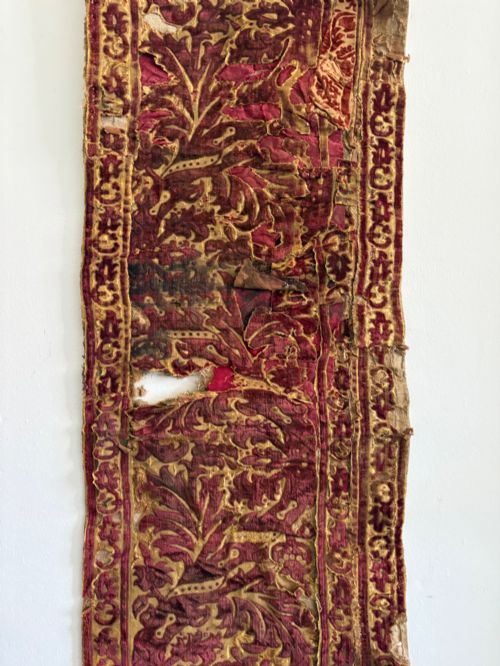
- A velvet where the pattern is created by cutting some pile loops and leaving others uncut, often seen in 18th-century hangings.
- Stumpwork
- A raised embroidery technique popular in the 17th century that uses padded underlayers to create a three-dimensional effect on silk.
- Needlework picture
- A pictorial composition stitched with thread on a canvas or silk ground, frequently mounted and framed like an oil painting.
- Metallic thread
- Flat metal strips or wrapped threads utilised alongside silk to add reflective gold or silver highlights to embroidery.
- Pilaster hanging
- A long, narrow textile panel designed to fit on a wall between architectural column supports or windows.
Gold Silk Textile: Frequently Asked Questions
How do I hang a textile safely?
Framed textile art behind glass protects the fragile silk and metallic threads from dust and direct handling. Keep wall hangings away from direct sunlight to prevent the silk fibres and gold threads from fading over time.
Ensure that weight is distributed evenly across the frame or mounting bar. Heavy panels require secure wall anchors to prevent strain on the antique fabric.
What is the difference between embroidery and tapestry?
Embroidery involves stitching threads onto an existing woven ground fabric to create a design, as seen in many English and Ottoman panels. Tapestry is a form of textile art where the pattern is woven directly into the warp threads during the creation of the cloth itself.
Tapestries are generally heavier structural weaves, whereas embroidered items add surface decoration to a pre-existing silk or wool base.
How are 17th-century pieces told apart from 19th-century ones?
Seventeenth-century items often feature distinct techniques like raised stumpwork or heavy embroidered silk velvet associated with Baroque styles. Subjects commonly include historical or biblical figures, executed with different padding methods than later work.
Nineteenth-century pieces frequently display more standardised framing, varied global influences from Ottoman or Asian traditions, and distinct colour palettes linked to Victorian production.
Can these textiles be cleaned?
Antique silk and metallic thread pieces cannot be washed or treated with standard cleaning products. Water and chemical solvents damage the fragile fibres, corrode metal threads, and dissolve old adhesives or paint.
Surface dust should only be removed very gently with a soft brush by a professional textile conservator if necessary.