

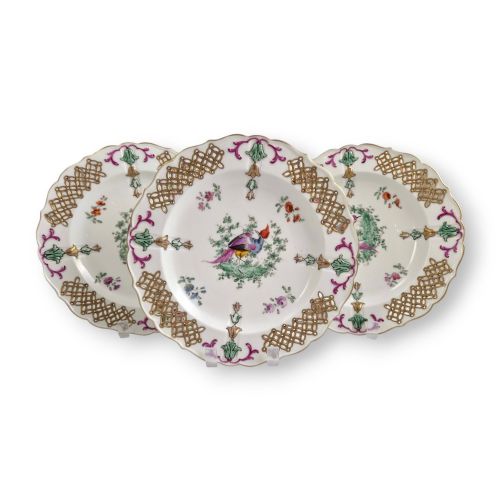
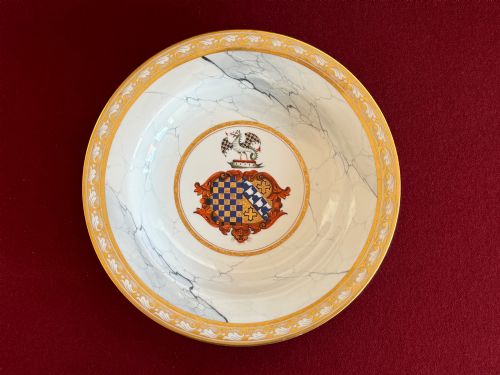
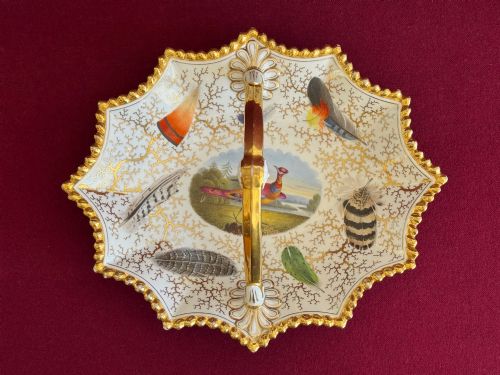
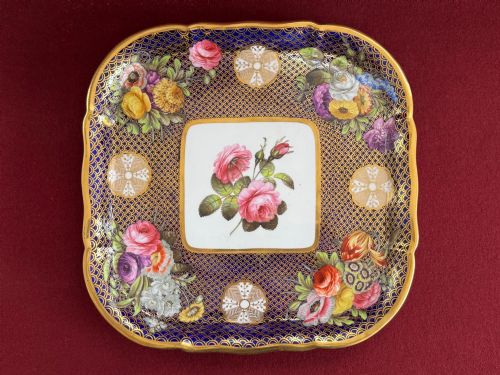

Gold Porcelain Dish
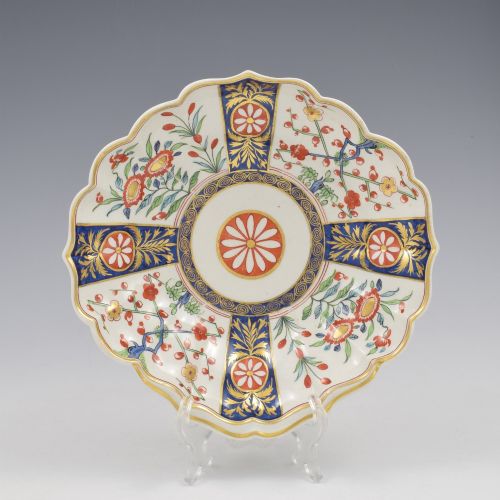
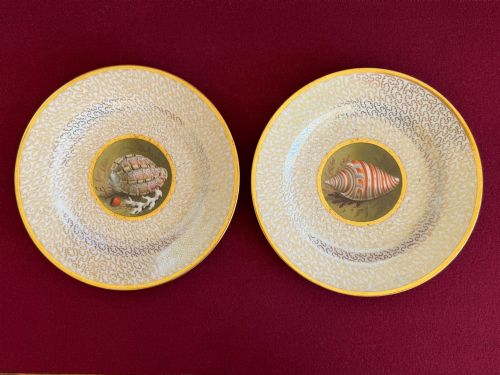
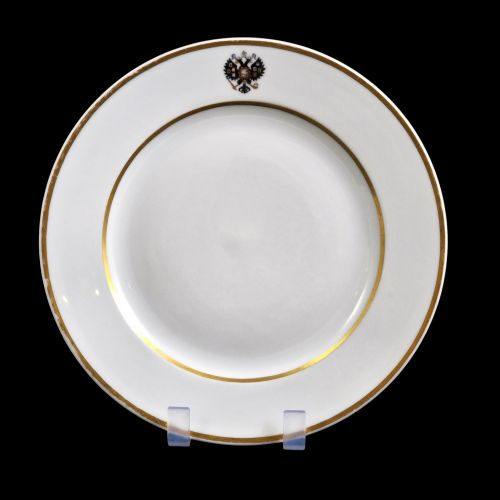
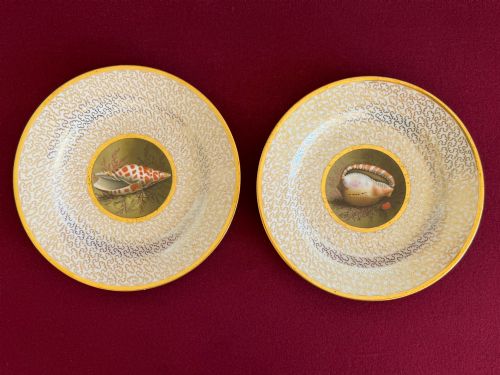
A gold porcelain dish brings intricate painted detail and metallic lustre to a table, combining ceramic artistry with refined gilding.
Gold Porcelain Dish
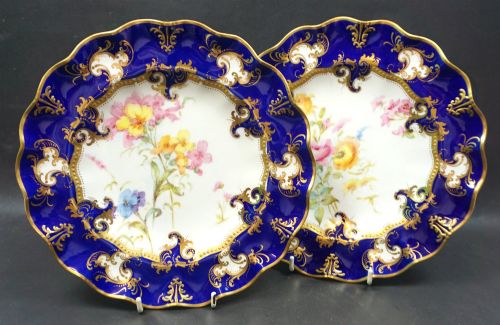
A gold porcelain dish represents centuries of ceramic craftsmanship, often taking the form of cabinet plates, dessert dishes, bowls, and tureens. When seeking a gold porcelain dish, collectors encounter pieces ranging from Georgian Regency works to Edwardian and Art Deco creations.
The selection includes English factories like Royal Worcester, Derby, and Minton, alongside international works such as Satsuma and Sevres. These items function primarily as decorative cabinet pieces or formal table service elements rather than everyday utilityware.
How They Were Made
Makers utilised fine porcelain, bone china, and earthenware bodies as the foundation for these items. Artisans applied gold leaf, gilt, and enamel paints by hand, often firing the pieces multiple times to set the metallic and coloured pigments permanently into the glaze.
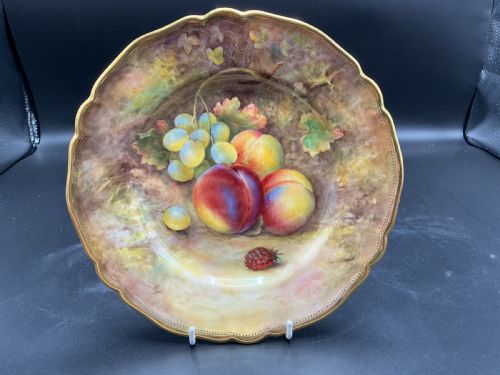
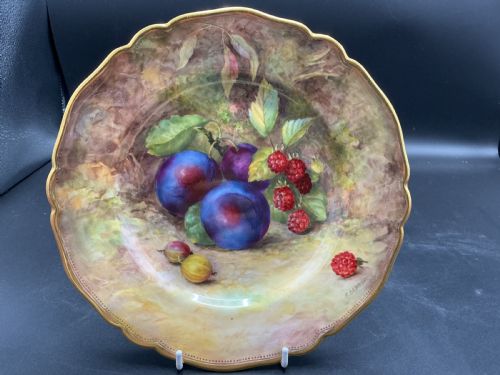
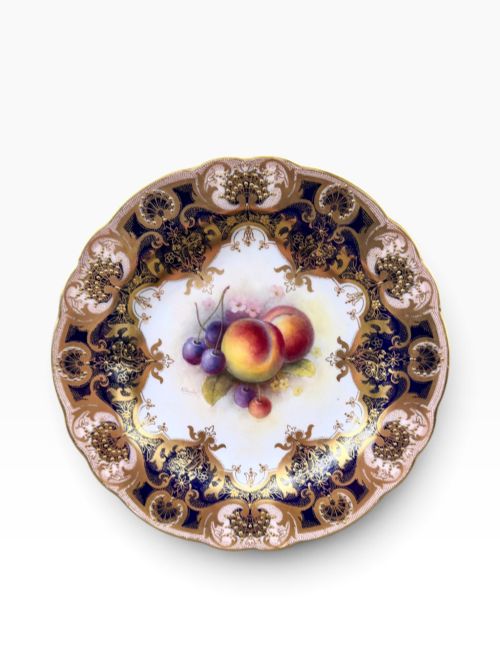
Specialised techniques involved hand-painting botanical or figurative scenes directly onto the ceramic surface before framing the composition with intricate gilding borders.
Gold Porcelain Dish Retail Price Guide 2026
Typical asking prices for gold porcelain dish among the pieces listed under this phrase on Sellingantiques today, from the lower quarter to the upper quarter. They describe what is for sale here now, not the wider market.
Listings feature porcelain pieces spanning the Georgian, Victorian, Edwardian, and Art Deco periods, created across English, European, and Japanese traditions.
What Varies in Quality
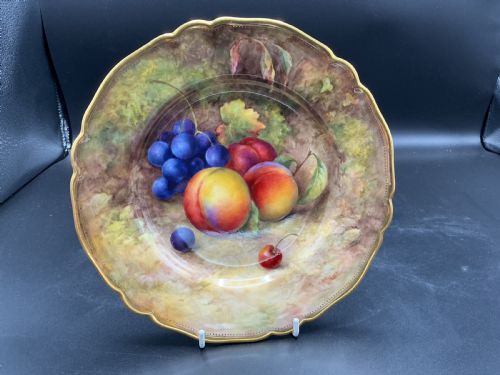
The standard of painting heavily influences the worth of a piece, particularly when executed by named artists rather than factory workers. Finely rendered fruit, floral, or figurative scenes demonstrate superior technical control and artistic merit.
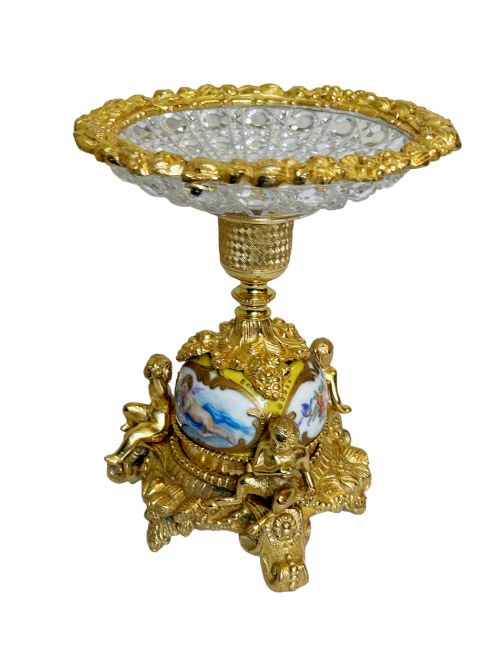
The thickness and application method of the gilding also divide standard output from exceptional examples. Raised or burnished gold tooling indicates a higher grade of manufacture than flat, printed metallic bands.
Royal Worcester·Imperial Porcelain Factory·Royal Crown Derby·Royal Doulton·Wedgwood·Spode·Minton·Coalport
The Gold Porcelain Dish Glossary
- Cabinet Plate
- A decorative plate intended for display in a cabinet rather than for dining use. These items typically feature elaborate hand-painted scenes and rich gilding.
- Gilding
- The application of gold leaf or gold dust to the surface of porcelain. This technique creates metallic highlights that frame the central painted motifs.
- Bone China
- A type of porcelain composed of bone ash, feldspathic material, and kaolin. It offers high mechanical strength and chip resistance while maintaining a translucent white body.
- Enamel
- Vitreous material fused to the ceramic surface during firing. Artists use it to introduce vibrant colours alongside gold details.
- Tureen
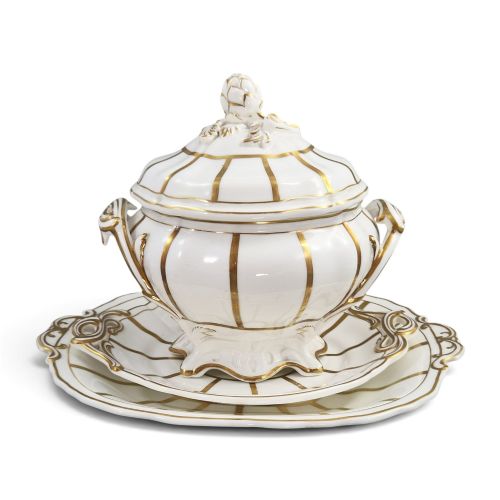
- A deep covered bowl used for serving soups or sauces. Many historical examples include matching ceramic underplates and gilded handles.
Gold Porcelain Dish: Frequently Asked Questions
Can I use these dishes for serving food?
Most antique cabinet plates and decorative dishes are intended for display rather than active dining. Using older gold-decorated ceramics for heavy meals risks scratching the painted surfaces and wearing down the delicate gilding.
If you choose to use them for special occasions, restrict them to dry foods or light desserts. Hand wash them straight away after use to prevent staining.
How do I identify the maker of a dish?
Turn the piece over to inspect the base for factory marks, pattern numbers, or painted ciphers. Many prominent English and European potteries stamped or hand-painted their unique symbols directly onto the underside.
Matching the style of the painting and the shape of the ceramic body to known historical patterns helps confirm the date and origin. Reference books and factory archives provide guides for deciphering these marks.
What distinguishes hand-painted pieces from printed ones?
Hand-painted items show subtle brushstrokes and unique variations under magnification, meaning no two floral or figurative motifs are completely identical. Artists often signed their work on the front or inscribed details on the reverse.
Printed transfers display a uniform dot pattern or exact symmetry across multiple pieces. While transferware has its own appeal, hand-decorated items command greater interest from collectors.