

Gold Painted Urn
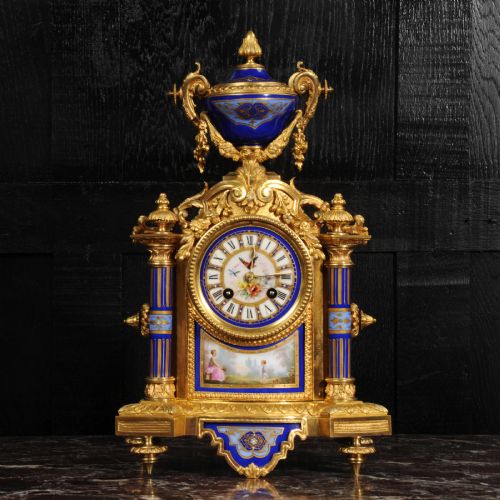
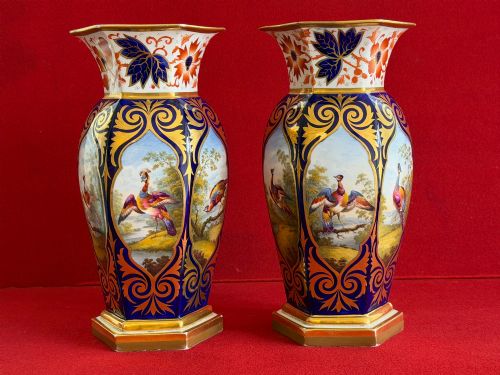
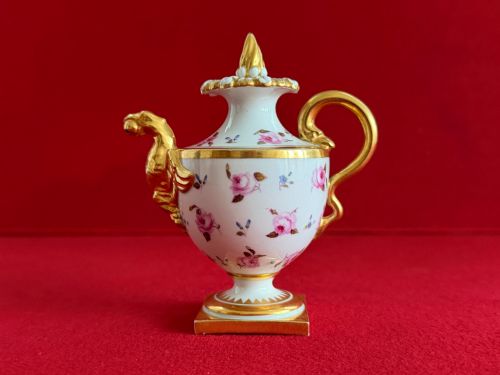
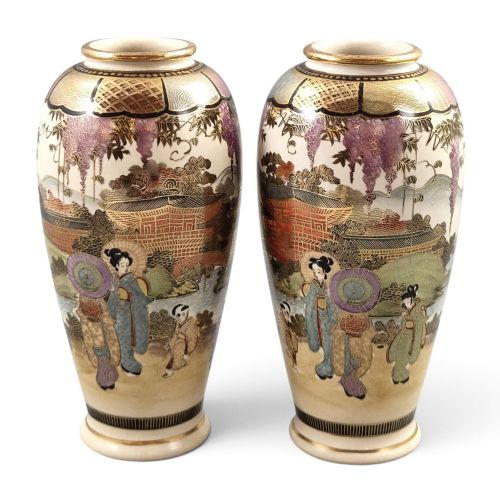
These gold painted urn objects and decorative vessels bring classical presence and rich metallic detail into a room.
Gold Painted Urn
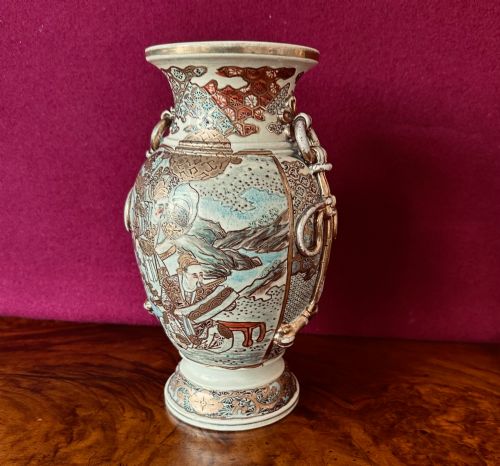
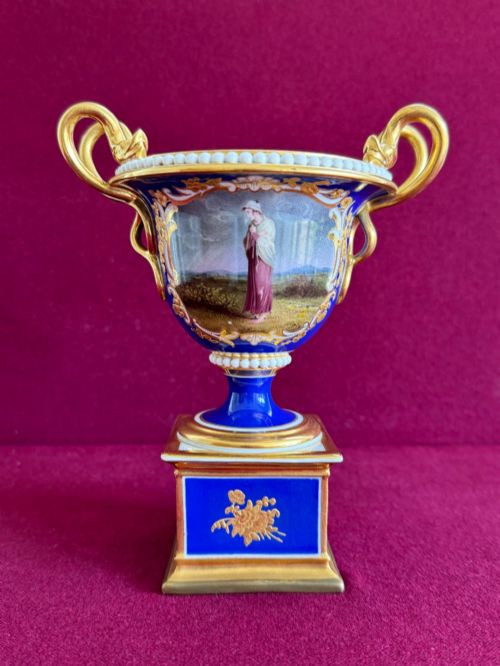
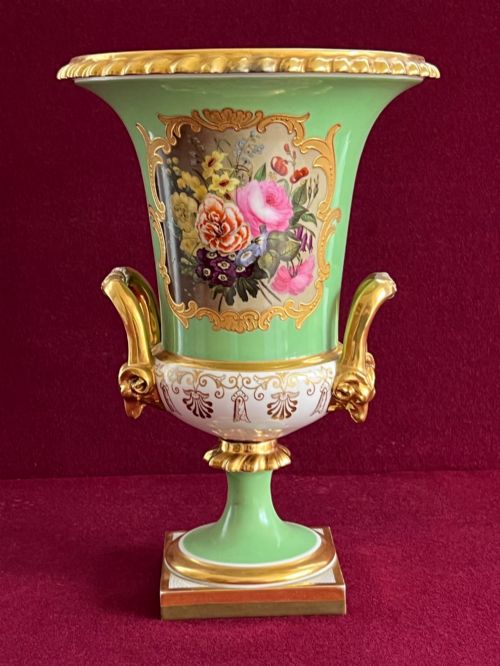
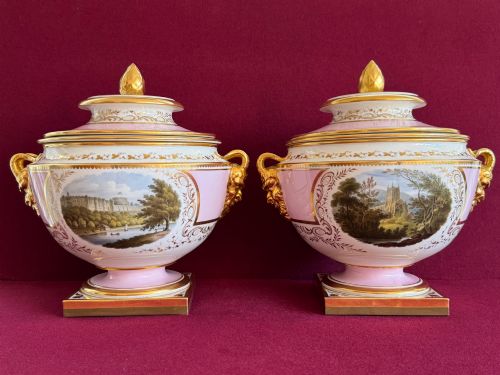
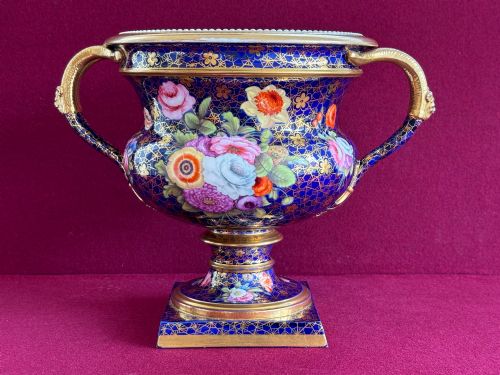
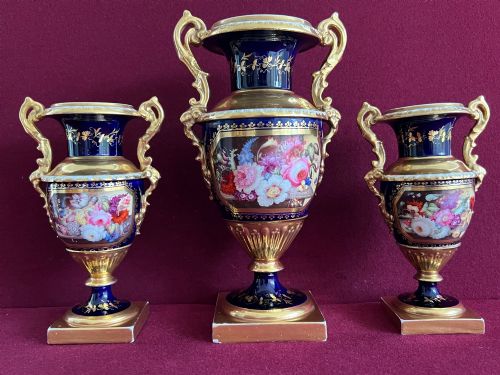
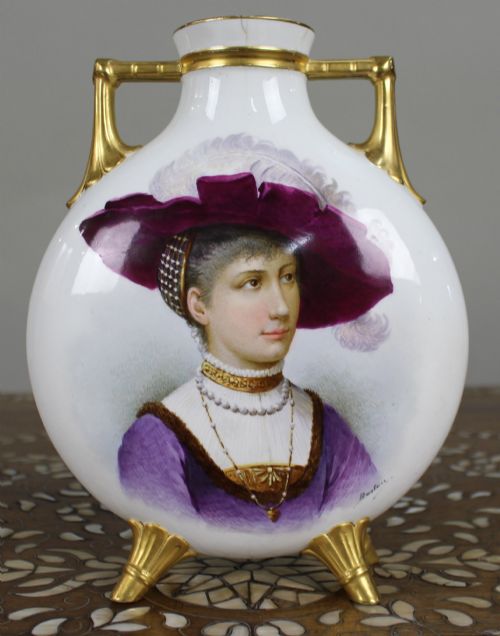
The physical forms range from campagna urns and pedestal vases to moon flasks and decorative jars. Many pieces show hand-painted floral or figural scenes enriched with metallic highlights, reflecting the distinct aesthetic movements of their respective periods.
How they were made
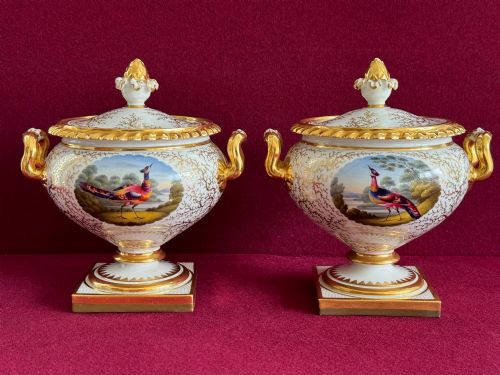
The physical construction relies heavily on ceramics, porcelain, and earthenware shaped into vessels and finished with glaze, enamel, and hand-applied gilding. Artisans utilised gold leaf or liquid gold highlights to accentuate moulded details, handles, and painted figural panels.
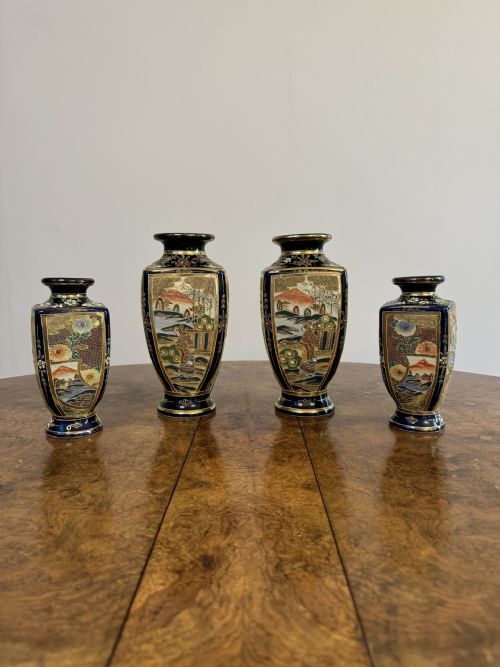
Surface decoration frequently combines polychrome enamel painting with delicate gold work, whether on English bone china, Japanese earthenware, or Austrian porcelain. Metal objects in the selection employ brass, bronze, and toleware paired with surface gilding techniques.
Listings include porcelain, earthenware, and glass items decorated with gold leaf, enamel, and glaze across the eighteenth, nineteenth, and early twentieth centuries.
What varies in quality
Quality separates through the precision of the hand-painted details and the crispness of the moulded form. Finer pieces display meticulous brushwork by named artists or established manufactories, whereas simpler items rely on standard transfer prints and basic gilding.
The depth and preservation of the gold leaf or gilt surface also mark the tier of the piece. Well-preserved gilding with burnished highlights indicates higher workshop standards than worn or flat metallic finishes.
Flight Barr And Barr·Royal Worcester·Kralik Glass·Coalport
The Gold Painted Urn Glossary
- Campagna urn
- A bell-shaped classical vessel form with a flared rim and footed base, popular in nineteenth-century ceramic design. These pieces often feature twin handles and decorative painted panels.
- Gilding
- The application of gold leaf or gold paint to the surface of porcelain, metal, or wood. This technique adds reflective metallic highlights to ornamental details.
- Satsuma ware
- A type of Japanese earthenware featuring a crackle-glaze ivory body decorated with intricate enamels and raised gold. It gained prominence during the Meiji period.
- Moon flask
- A flattened circular pilgrim flask with a short neck and two small handles, frequently used as a decorative ceramic vase. These vessels often display painted floral or figural scenes.
- Toleware
- Painted and lacquered sheet metal items, often produced in domestic or decorative forms like coffee urns and trays. The surface typically bears dark grounds finished with hand-painted motifs.
Gold Painted Urn: Frequently Asked Questions
What periods do these vessels come from?
The selection spans the eighteenth century through the early twentieth century. Pieces range from Georgian porcelain to Edwardian ceramics and Meiji period Satsuma ware.
Buyers will find specific manufacturing styles aligned with these eras, reflecting changing decorative tastes across European and Japanese workshops.
How were these decorative urns used originally?
Many of these vessels served as ornamental display items on mantelpieces, pedestals, or side tables in period homes. Some specific forms, such as ice pails or pot-pourri jars, held functional roles during dining or entertaining.
Over time, their primary purpose shifted toward interior decoration and artistic collection.
How do I care for antique gilded porcelain?
Gilded ceramics require gentle handling and cleaning with a soft, dry cloth to protect the delicate metallic surface. Moisture and abrasive cleaners should be avoided to prevent wear on the gold paint and enamel.
Keeping the pieces away from direct sunlight helps preserve the vibrancy of the hand-painted colours.
Can I use these urns for fresh flowers?
Most antique decorative urns and vases are best suited for dry display rather than holding water. Porous earthenware or antique glazes can be sensitive to moisture over prolonged periods.
Using a discreet inner vessel can protect fragile historical interiors if floral arrangements are desired.