

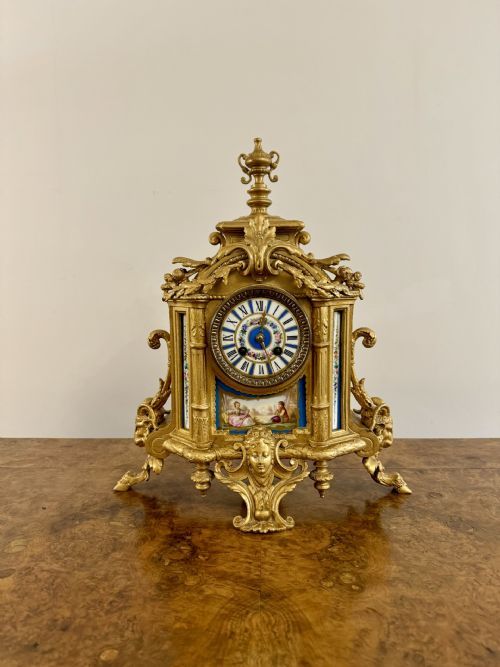


Gold Painted Clock
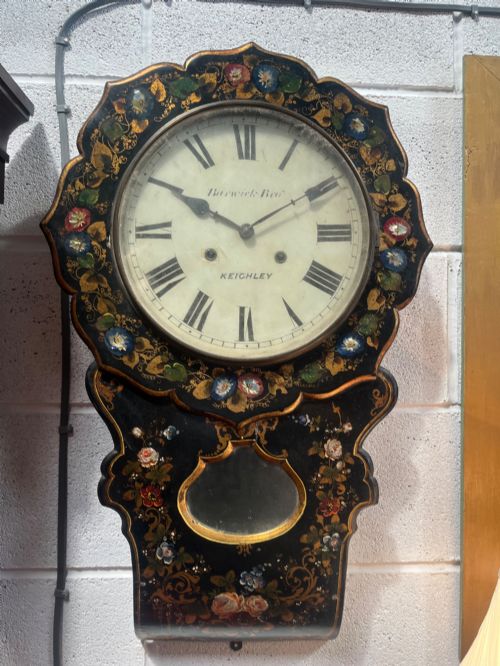
A gold painted clock brings warmth and decorative presence to a room, spanning periods from the Georgian era through to the Victorian age.
Gold Painted Clock
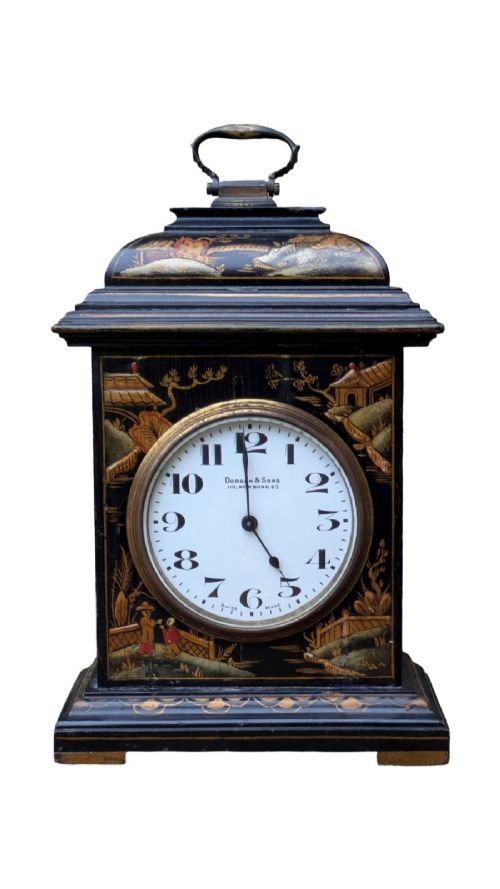
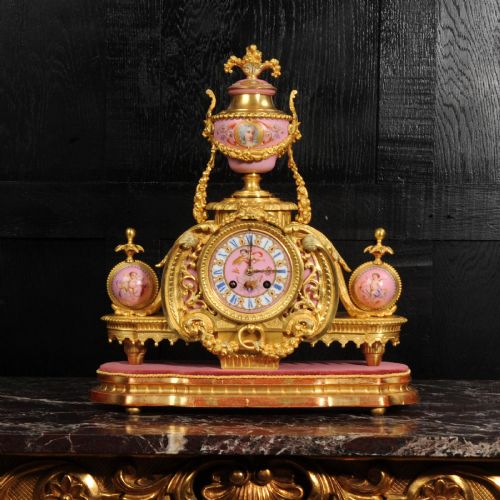
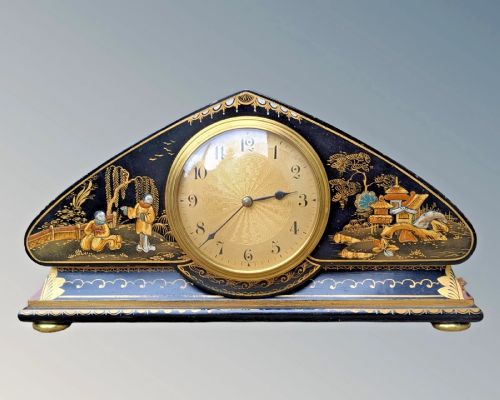
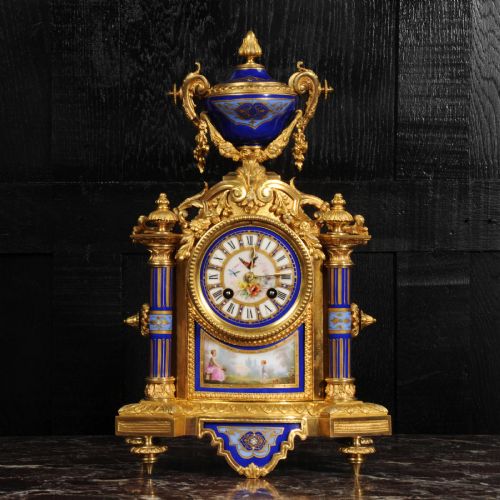
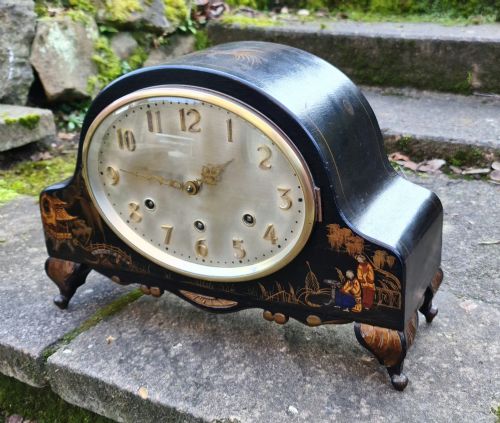
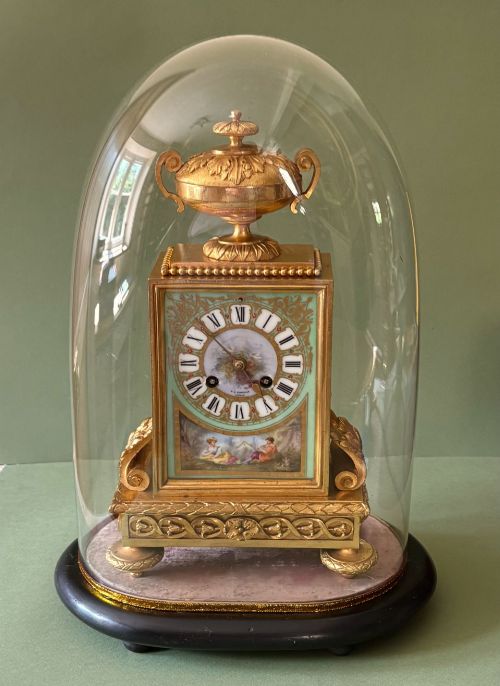
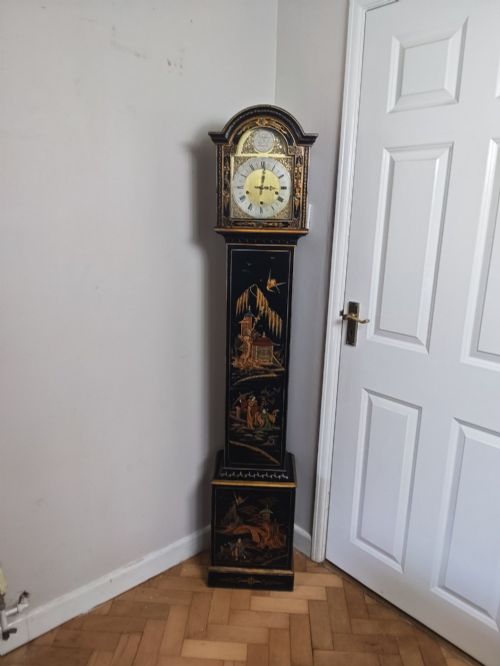
The selection ranges from elaborate French Rococo Revival and Louis XVI style pieces adorned with porcelain plaques to lacquered Chinoiserie longcase and mantel clocks. These timepieces serve as both functional instruments and striking decorative objects for mantelpieces, desks, and walls.
Materials and construction
Maker workshops utilised metals such as brass, gilt bronze, ormolu, and gilt metal alongside wood, glass, alabaster, and plaster to build robust cases. Many pieces incorporate porcelain dials and plaques, occasionally featuring hand-painted decoration or champlevé enamel work.
Decorative finishes include intricate lacquer work for Chinoiserie models and detailed surface gilding to achieve the characteristic metallic sheen. Movements are housed within these varied enclosures, ranging from musical longcase mechanisms to compact carriage and desk timepieces.
Gold Painted Clock Retail Price Guide 2026
Typical asking prices for gold painted clock among the pieces listed under this phrase on Sellingantiques today, from the lower quarter to the upper quarter. They describe what is for sale here now, not the wider market.
The inventory includes diverse object types ranging from wall hanging clocks and desk timepieces to musical grandmother clocks.
Assessing quality and craftsmanship
Quality in these timepieces rests upon the precision of the metalwork, the crispness of the cast ormolu and gilt bronze mounts, and the artistry of the hand-painted porcelain plaques or dials. Finer examples display harmonious proportions and integrated styling that unite the case and the movement.
The execution of surface decoration, whether through delicate lacquering, enamel work, or gilding, distinguishes standard decorative items from masterworks produced by established makers and French houses.
Japy Freres·Achille Brocot·Le Roy Et Fils·JP Delettrez
The Gold Painted Clock Glossary
- Ormolu
- Gilded bronze used extensively for decorative mounts on nineteenth-century French clocks. It provides a rich metallic finish that enhances the visual depth of the case.
- Chinoiserie
- European decorative style reflecting Chinese artistic influences, frequently seen on lacquered clock cases. This aesthetic employs painted motifs and decorative scenes.
- Champlevé enamel
- Enamelling technique where troughs are carved into a metal surface and filled with vitreous enamel before firing. It creates vibrant decorative patterns on small clock components.
- Grandmother clock
- A slender, scaled-down version of a longcase clock. These tall timepieces often feature musical movements and decorative lacquer finishes.
- Sevres porcelain
- Fine porcelain produced in France, frequently incorporated as painted dials or decorative plaques on mantel clocks. These ceramic elements add colour and refinement to the metal case.
Gold Painted Clock: Frequently Asked Questions
Where should I place a mantel clock?
A mantel clock fits naturally upon a mantelpiece, shelf, or table where its decorative case and dial remain fully visible. Ensure the surface is stable and level to support the weight of bronze, porcelain, or wooden enclosures.
Keep the timepiece away from direct heat sources and excessive moisture to protect the delicate gilt surfaces, enamel, and internal mechanical movements over time.
How do I care for a gilt bronze clock?
Dust the exterior gently with a soft, dry brush to prevent dirt accumulation within the intricate crevices of the ormolu or gilt bronze mounts. Avoid chemical cleaners and abrasive cloths, which can damage the delicate metallic surface and decorative gilding.
Professional maintenance for the internal movement ensures the clock continues to function correctly without disrupting the historic integrity of the piece.
What is a longcase clock?
A longcase clock, often referred to as a grandfather or grandmother clock, is a tall floor-standing timepiece enclosed in a wooden case. These pieces frequently feature painted dials, weights, and pendulums housed behind a glazed door.
Victorian and Georgian examples often incorporate Chinoiserie lacquer decoration, making them substantial focal points within a room's interior scheme.
How can I identify the period of a clock?
Dating relies on examining the combination of materials, the style of the case, and the signatures or maker marks found on the movement or dial. Nineteenth-century French pieces often combine gilt bronze and Sevres porcelain in specific Revival styles.
Comparing the construction techniques, decorative motifs, and mechanical signatures against known records helps establish the likely decade or era of manufacture.