


Gold Overmantel Glass
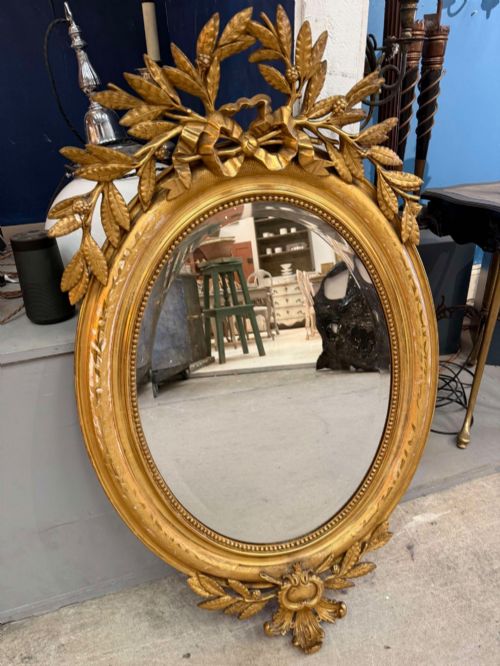
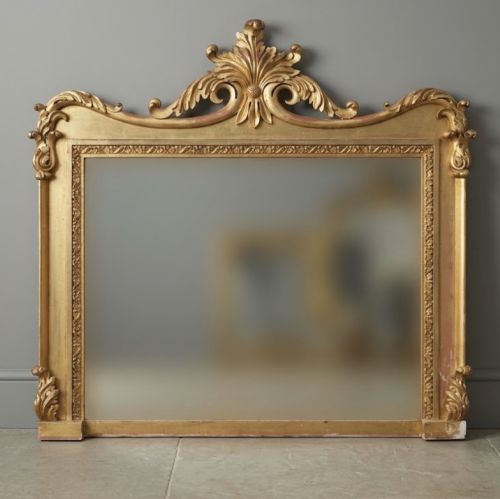
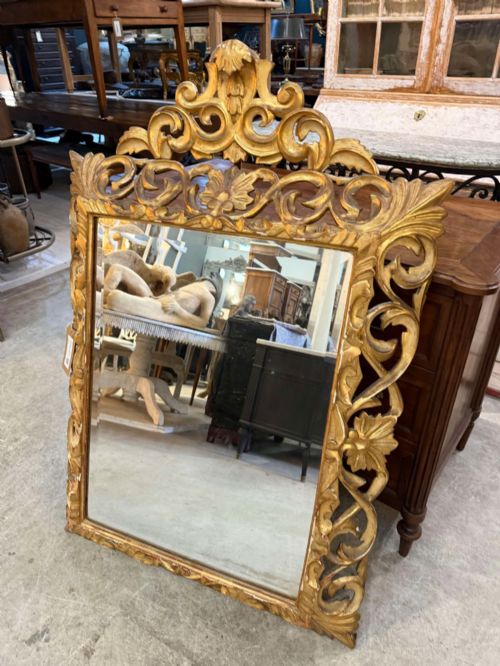
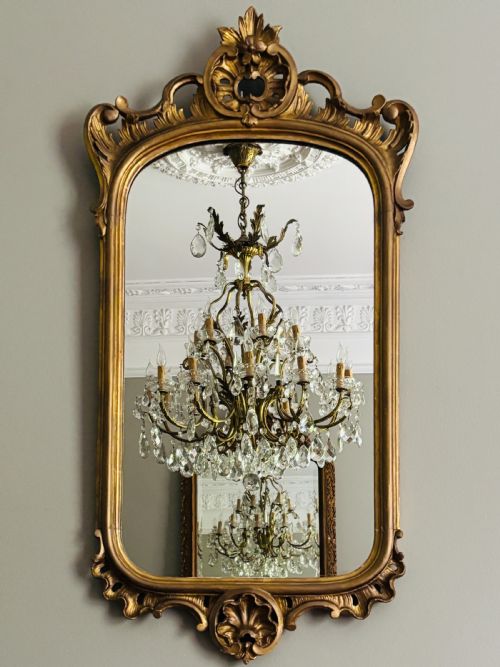
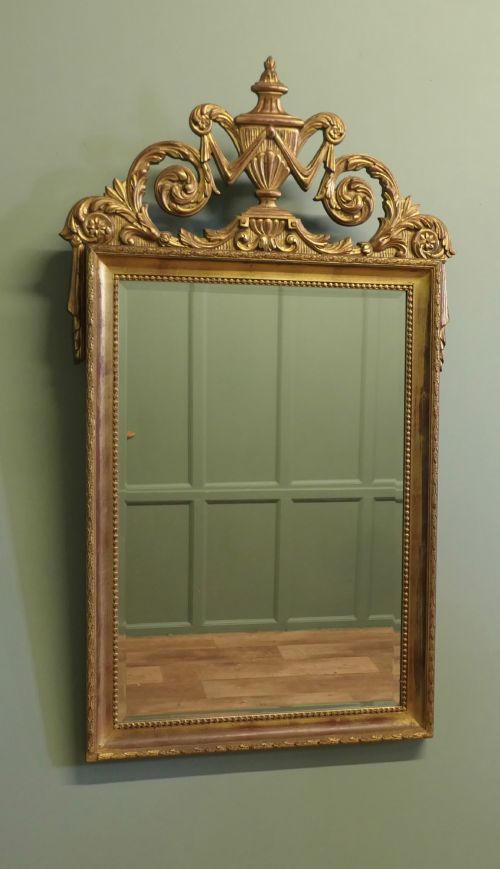
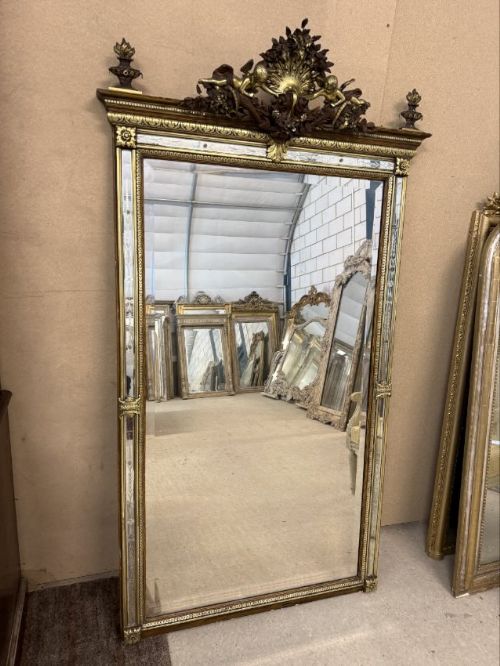
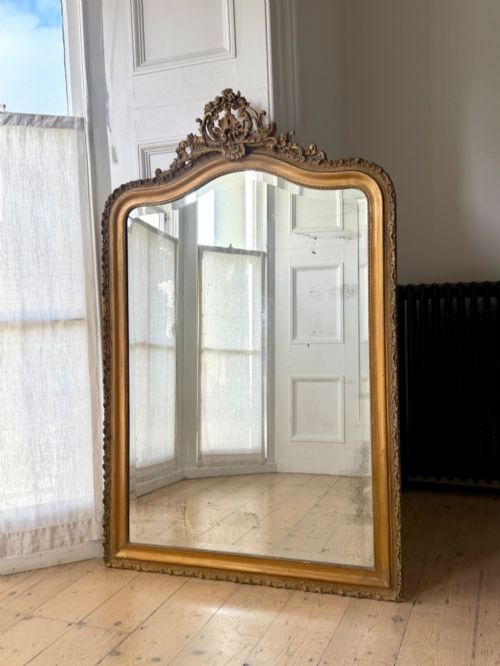
Gold overmantel glass brings scale and reflective warmth to a room, framing nineteenth-century craftsmanship in giltwood and gesso.
Gold Overmantel Glass
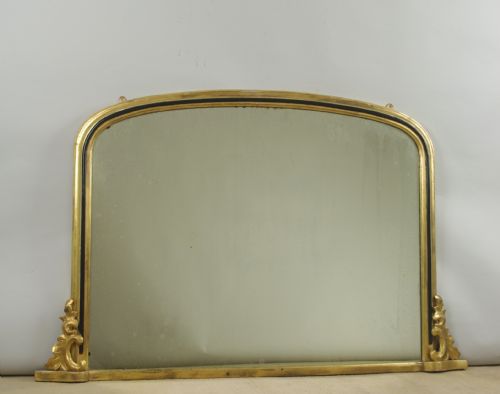
A gold overmantel glass is a large mirror designed to hang above a fireplace mantel, reflecting light and anchoring the decorative scheme of a room. When you search for gold overmantel glass, you encounter substantial wall-hanging pieces intended to sit prominently in reception rooms.
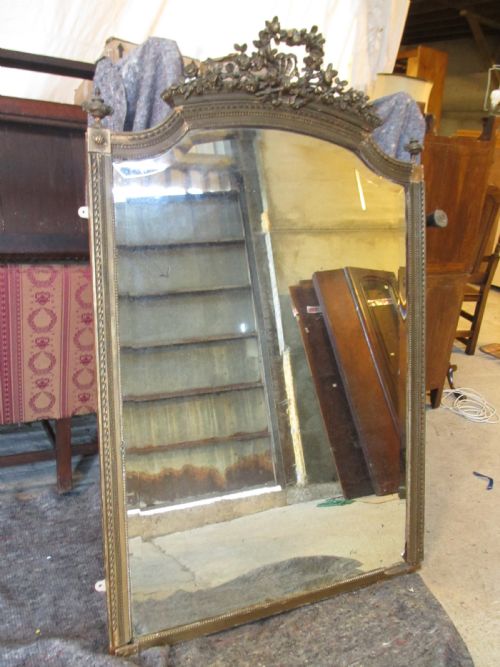
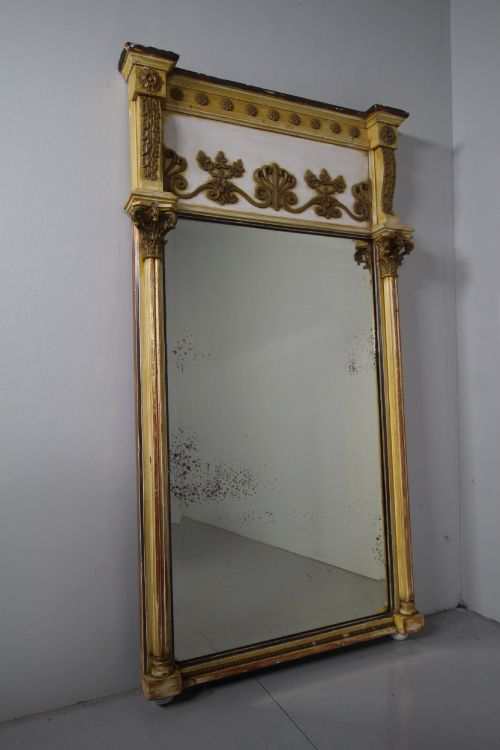
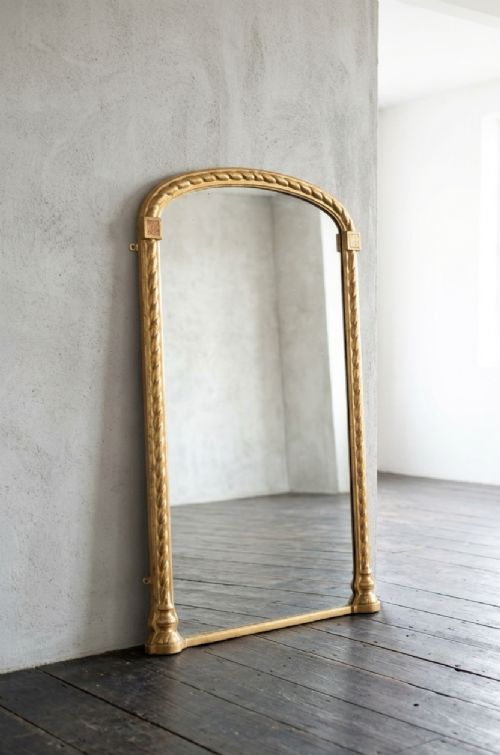
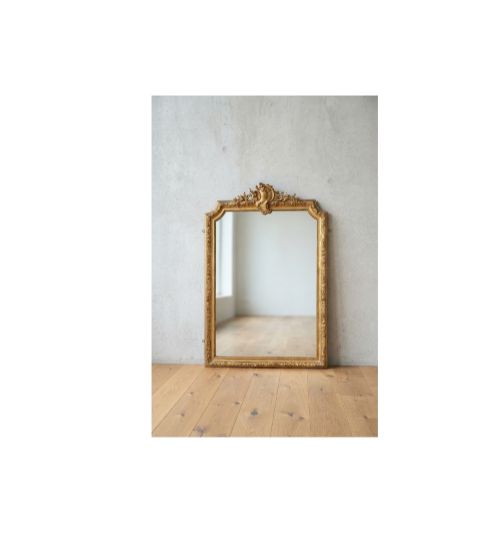
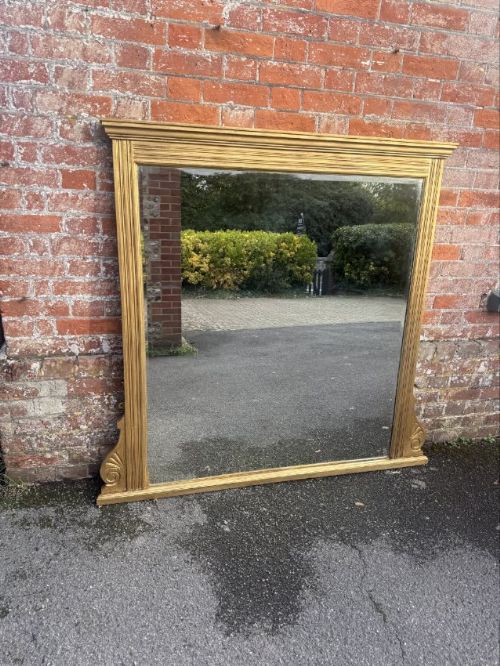
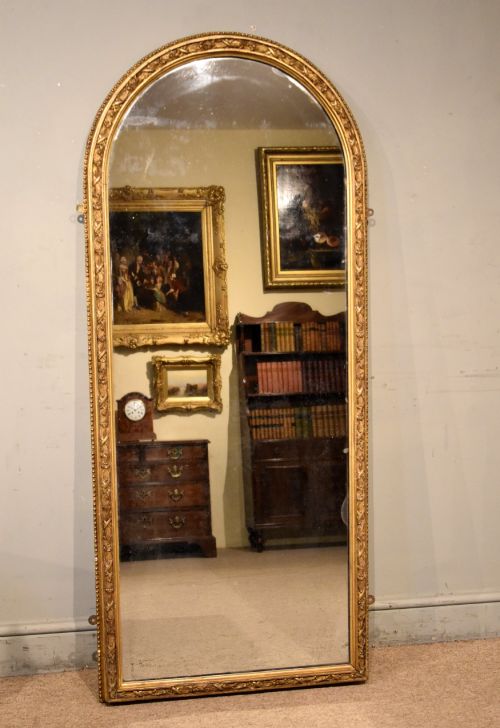
The pieces listed here span the eighteenth and nineteenth centuries, taking forms such as arched top overmantels, pier mirrors, and rectangular leaner mirrors. French and English workshops dominate the selection, showing stylistic influences from Regency, Victorian, Louis Philippe, and Rococo Revival periods.
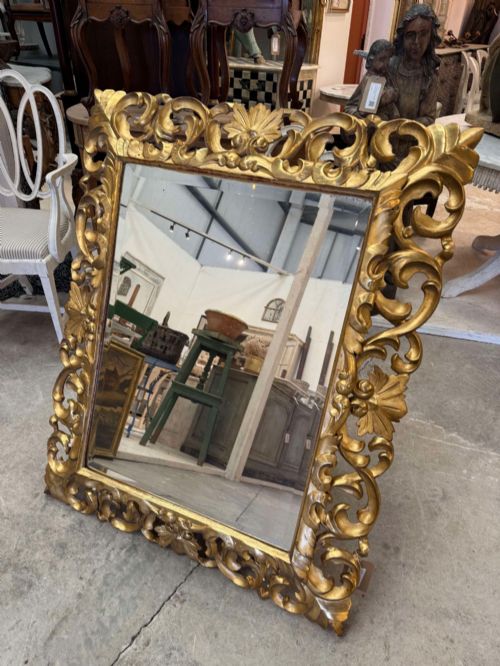
Makers such as Arsène Rochette appear among the listings, alongside country house scales and smaller salon formats. Buyers find both ornate carved frames with rope twist or pierced foliage motifs and simpler moulded profiles.
Materials and construction methods
Makers built these frames using carved wood and gesso, applying gold leaf or water gilding to the prepared surfaces. Composition ornament also appears on moulded frames, allowing for crisp botanical and classical details.
The mirror plates themselves include mercury glass and silvered glass, sometimes showing foxing, etching, or bevelled edges. Heavy timber frames provide the structural support needed for large overmantel and leaner formats.
Gold Overmantel Glass Retail Price Guide 2026
Typical asking prices for gold overmantel glass among the pieces listed under this phrase on Sellingantiques today, from the lower quarter to the upper quarter. They describe what is for sale here now, not the wider market.
Lion masks stare down from nineteenth-century Regency frames, keeping a watchful eye on every mantelpiece.
What separates the tiers
Quality rests in the depth and crispness of the carving on the wooden and gesso frames, where hand-carved foliage and lion masks distinguish master work from standard moulded production. The integrity of the original gilding, whether water gilt or leaf, dictates the richness of the surface texture.
The condition and authenticity of the mirror plate matter greatly, with original mercury glass and period bevels holding higher regard than later replacements. Structural joinery and the survival of the original backing boards complete the assessment of a piece.
Arsène Rochette
The Gold Overmantel Glass Glossary
- Overmantel mirror
- A large mirror specifically proportioned to hang on the wall directly above a fireplace mantelpiece. These pieces often feature arched tops to follow architectural lines.
- Gesso
- A plaster-like mixture applied to wood frames to create a smooth surface for receiving gold leaf or paint. Artisans carve fine details directly into this layer.
- Mercury glass
- An early type of mirror plate produced by pouring a mercury and tin amalgam behind glass, creating a distinctive mottled reflection. It often develops foxing spots over time.
- Water gilding
- A traditional technique using liquid size to adhere gold leaf to gesso, allowing the metal to be burnished to a high shine. This method creates a deep, warm metallic lustre.
- Pier mirror
- A tall, narrow mirror designed to hang on the wall space between two windows. They frequently incorporate painted wood or giltwood detailing.
Gold Overmantel Glass: Frequently Asked Questions
How do I hang a heavy overmantel mirror?
Large overmantel mirrors require secure wall fixings anchored directly into masonry or heavy studwork to support their considerable weight. Professional installation is strongly recommended for oversized country house pieces.
Ensure the hanging wire or integrated brackets distribute the load evenly across the frame structure. Checking the wall construction beforehand prevents shifting over time.
What is mercury glass?
Mercury glass describes mirror plates made using a silvering technique involving liquid tin and mercury sealed behind glass. This historical process yields a soft, uneven reflection distinct from modern mirrors.
Over decades, moisture seeps behind the glass, causing dark spots and speckling known as foxing. Collectors prize this aged appearance for its authentic period character.
How do I clean an antique gilt frame?
Dust antique giltwood and gesso frames gently with a soft, dry brush to remove surface particles. Avoid water, modern chemical cleaners, and abrasive cloths, which strip fragile gold leaf.
Water gilding is particularly sensitive to moisture and can dissolve if rubbed with damp materials. Professional conservators should handle major cleaning or repairs.
How do I date an overmantel mirror?
Dating relies on examining the frame style, construction joints, backboards, and mirror plate characteristics. Regency and Victorian pieces show distinct decorative motifs like rope twist, lion masks, or Rococo Revival scrolls.
Original mercury glass plates and hand-cut timber fixings point toward nineteenth-century origins. Comparing the proportions and gesso build-up helps verify the period.