


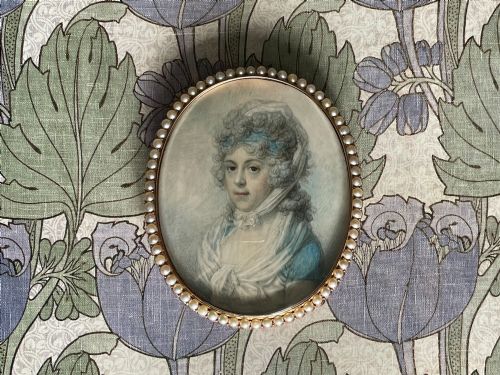
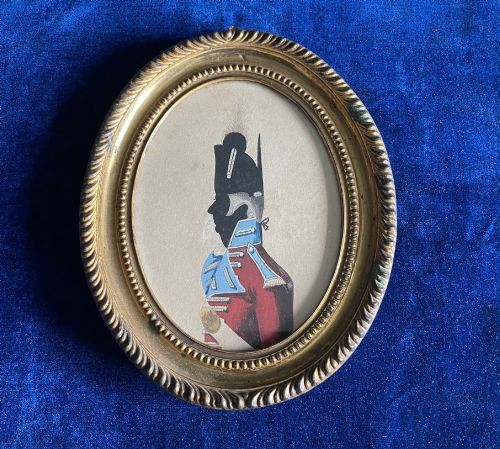

Gold Oval Miniature Painting
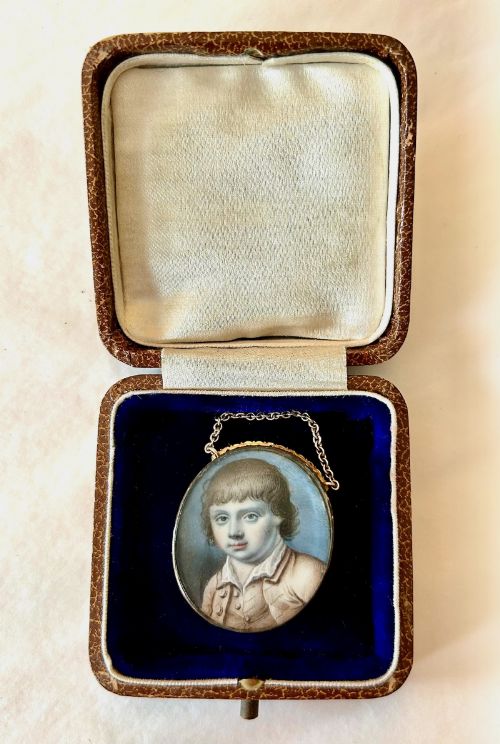
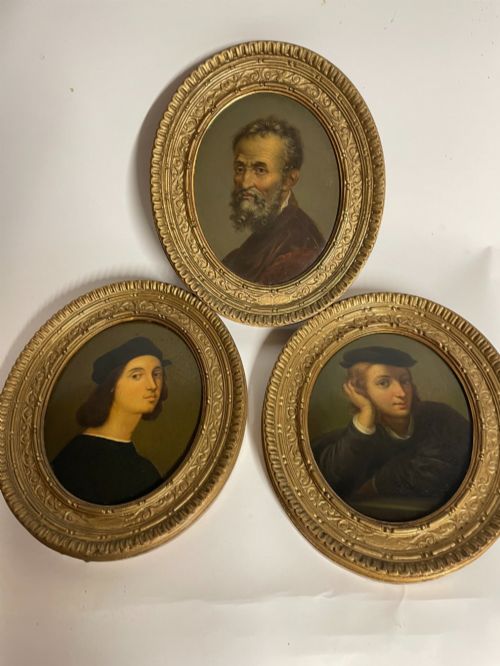
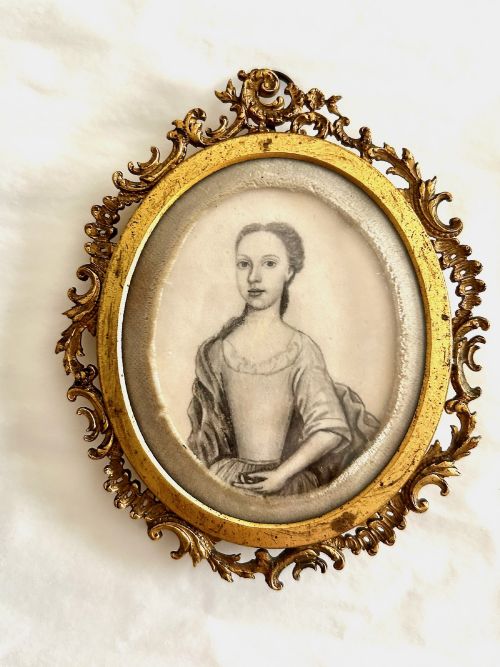
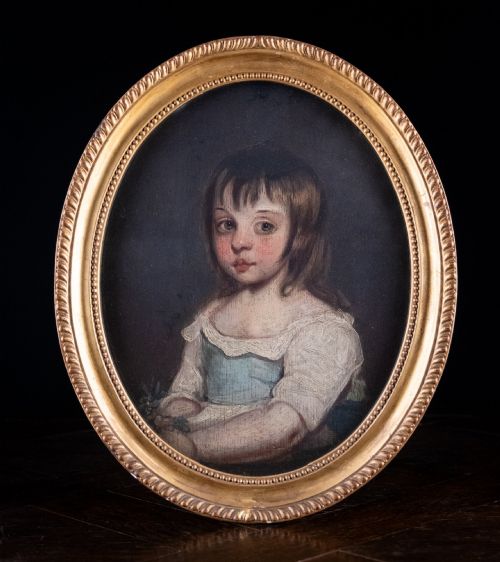
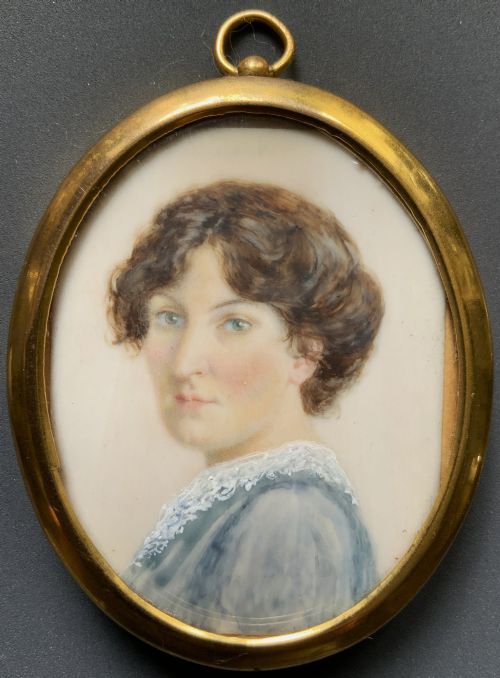
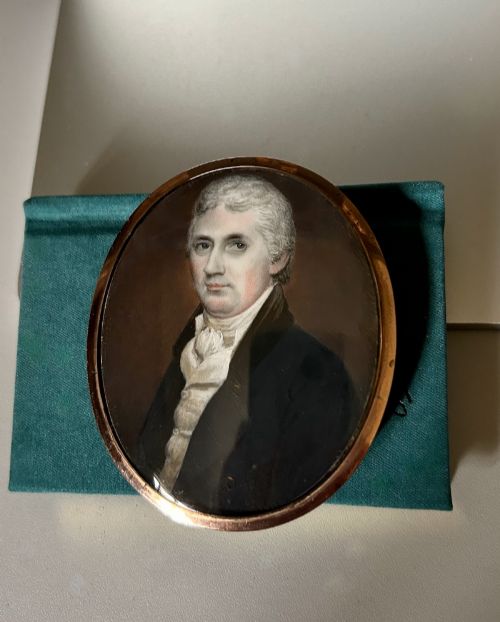
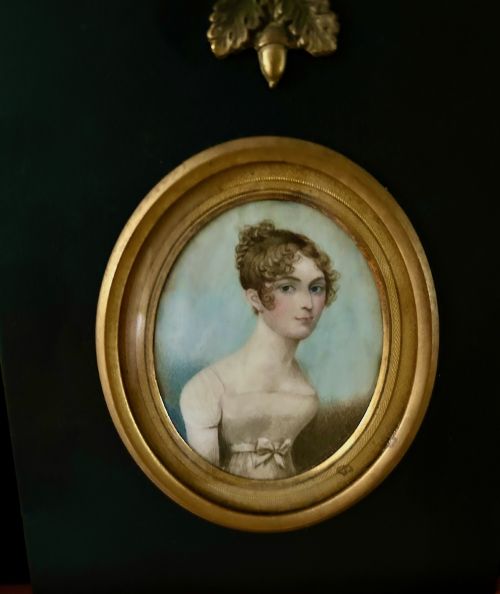
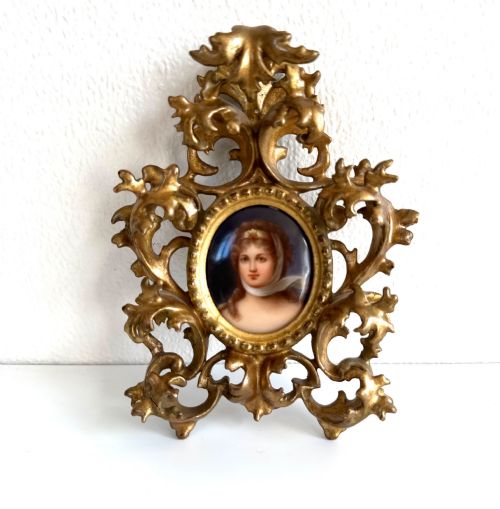
Gold oval miniature painting captures portraiture on an intimate scale, framed in precious metal for wear or display.
Gold Oval Miniature Painting
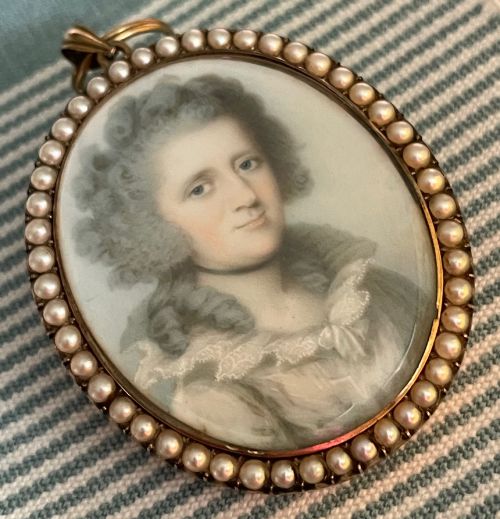
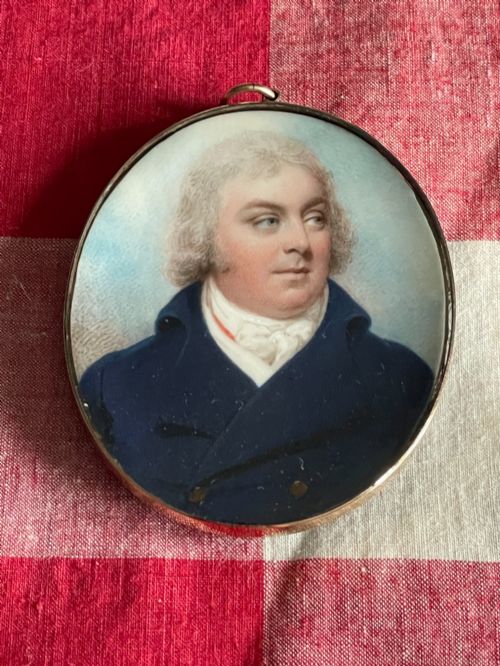
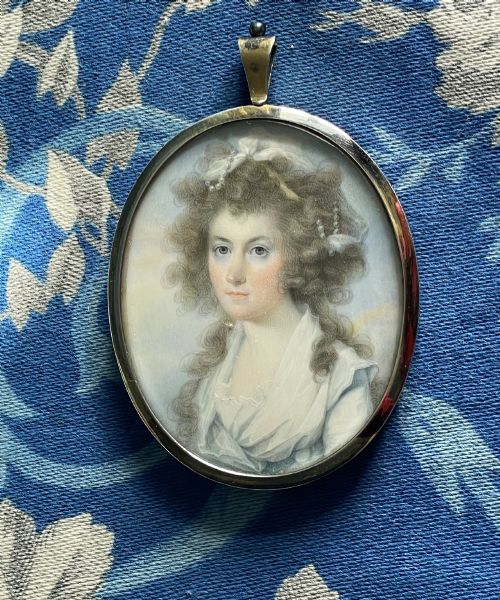
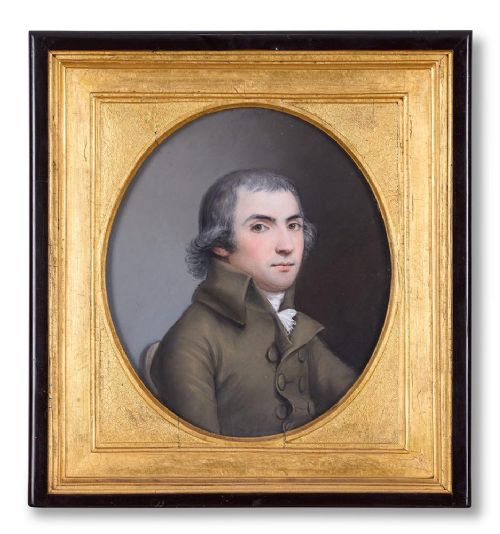
A gold oval miniature painting is a small-scale portrait executed during the eighteenth and nineteenth centuries, often depicting notable individuals, children, or family members. These pieces encompass Georgian and Victorian eras, reflecting the shifting fashions of personal remembrance and portraiture.
The objects take diverse forms on this page, appearing as standalone framed wall art, wearable brooches, and pendant lockets designed to rest near the heart. Sitters range from British naval officers and society ladies to Mughal emperors, demonstrating a broad geographical scope within the category.
Most examples rely on traditional British and European portraiture schools, while others show French, Anglo-Indian, or Mughal influences. The oval format dominates the selection, housing delicate depictions intended for private contemplation rather than public display.
Materials and technique
Artists painted these miniature works using watercolour, enamel, or gouache on specialised surfaces such as ivory, paper, vellum, glass, and agate. Enamel pieces required careful kiln firing to fuse powdered glass pigments onto a metal base, yielding a durable and glossy finish that resisted fading.
The supporting frames incorporate gold, gilt metal, giltwood, and occasional seed pearls, engineered to protect the fragile paint layers beneath convex glass. Backings often utilise dark materials or silhouette substrates of plaster to create high-contrast profiles of the sitters.
Gold Oval Miniature Painting Retail Price Guide 2026
Typical asking prices for gold oval miniature painting among the pieces listed under this phrase on Sellingantiques today, from the lower quarter to the upper quarter. They describe what is for sale here now, not the wider market.
Several portraits capture subjects sporting formidable naval uniforms, military medals, and elaborate powdered wigs, staring down viewers with unwavering Georgian authority.
Assessing quality
The structural integrity of the mounting also dictates worth, distinguishing sturdy gold frames with intact bezels and original convex glass from later replacements or damaged settings. Signed works by recognised practitioners demonstrate superior hand control compared to anonymous provincial output.
James Sharples·Henry Bone·Richard Cosway·John C D Engleheart·Frederick Buck·William Wood·Charles Hayter·William Naish·John Bizo·John Miers·George Engleheart·James Ferguson·George Hargreaves·John Smith·William Grimaldi·Henry Jacob Burch
The Gold Oval Miniature Painting Glossary
- Miniature painting
- A small-scale artwork, typically a portrait, executed with microscopic precision using fine brushes. These pieces required specialised optical aids to achieve their intricate detail.
- Silhouette
- A portrait profile filled in with a solid dark colour, usually black, cut from paper or painted on plaster, vellum, or glass. John Miers and John Smith were notable practitioners of this medium.
- Enamel
- A material made by fusing powdered glass to a metal substrate through high-temperature firing. Enamel miniatures retain their vibrant colours over centuries without fading.
- Vellum
- A fine parchment prepared from calfskin, utilised as a smooth drawing surface for detailed portrait miniatures. It provides an absorbent yet durable ground for watercolour pigments.
- Pendant locket
- A small hinged case worn on a chain around the neck, often containing a miniature portrait on one side and a lock of hair or cipher on the reverse.
Gold Oval Miniature Painting: Frequently Asked Questions
How were gold oval miniature paintings worn?
Many of these pieces functioned as personal jewellery, suspended from ribbons or chains as pendant lockets against the chest. Others doubled as brooches pinned directly to garments.
Their portable nature allowed owners to carry likenesses of absent family members or romantic partners during travel.
What is the difference between watercolour on ivory and enamel?
Watercolour on ivory utilises delicate translucent washes that allow the creamy luminosity of the underlying organic material to brighten the skin tones of the sitter. This method required protective glass coverings to prevent moisture damage.
Enamel painting fuses glass pigments to metal under high heat, producing a hard, impervious surface with a glossy sheen that resists environmental decay.
How can I date a miniature painting?
Dating relies primarily on the costume, wig style, and facial hair of the sitter, alongside the mounting techniques of the frame. Georgian and Regency pieces often feature specific high collars or empire-line dresses.
Signatures, artist dates, and accompanying biographical records inscribed on the reverse or inside the locket provide further chronological certainty.
Who sat for these portrait miniatures?
Commissioners included military officers, nobility, merchants, and family members documenting domestic milestones such as marriages or childhood. Wealthy patrons hired leading miniaturists to immortalize themselves and their relatives.
Subjects span British naval captains, French nobility, and even eastern rulers like the Mughal Emperor Akbar II.
How should I care for a antique miniature?
Keep these sensitive objects away from direct sunlight to prevent the fading of watercolour pigments on paper, vellum, or ivory. Temperature stability is essential to protect organic materials from warping.
Display them in subdued lighting and avoid exposing the delicate glass and gold frames to moisture or aggressive cleaning agents.