

Gold Metal Wall Sconces
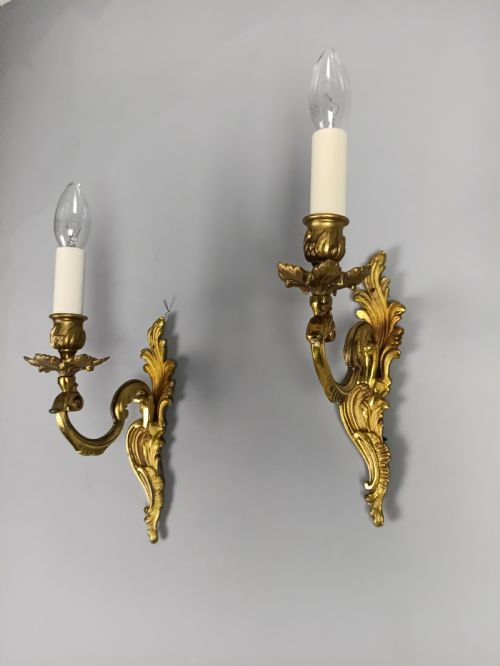
Gold metal wall sconces bring sculptural warmth and ambient illumination to a room, drawing the eye with their polished or gilded surfaces.
Gold Metal Wall Sconces
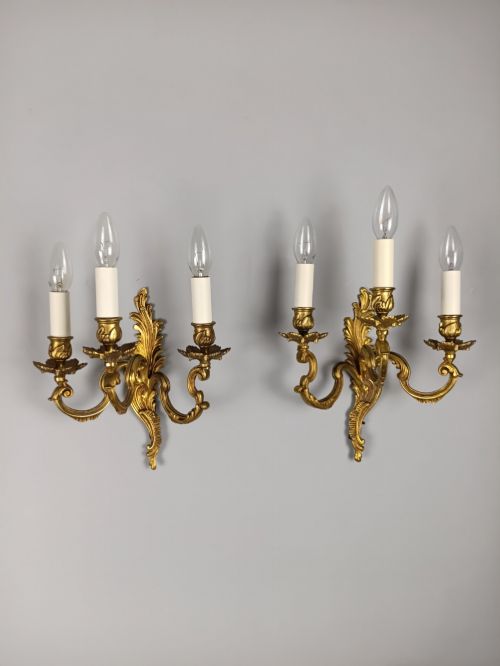
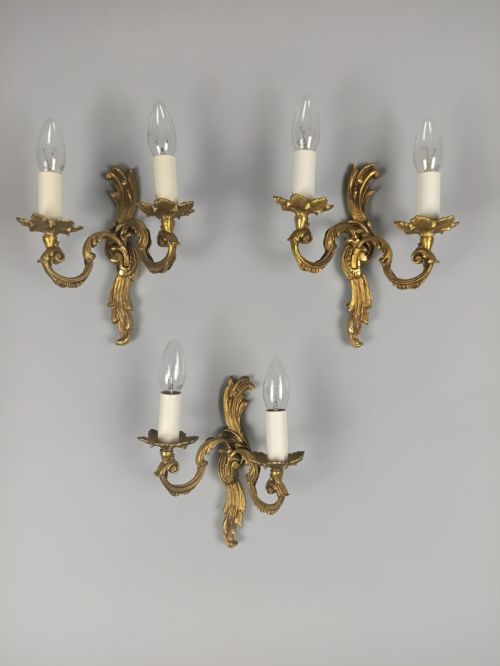
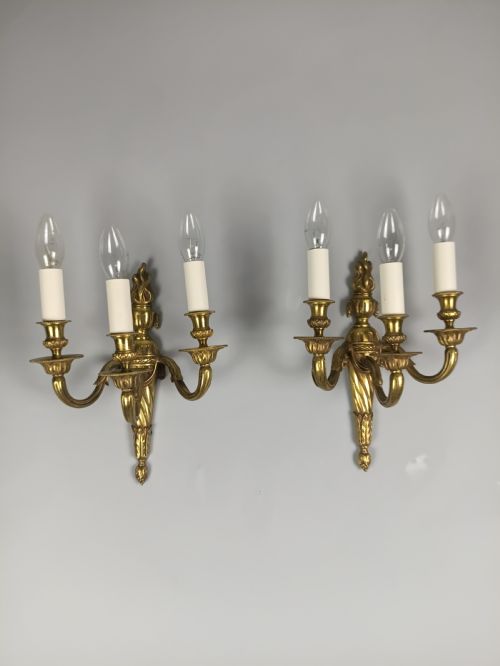
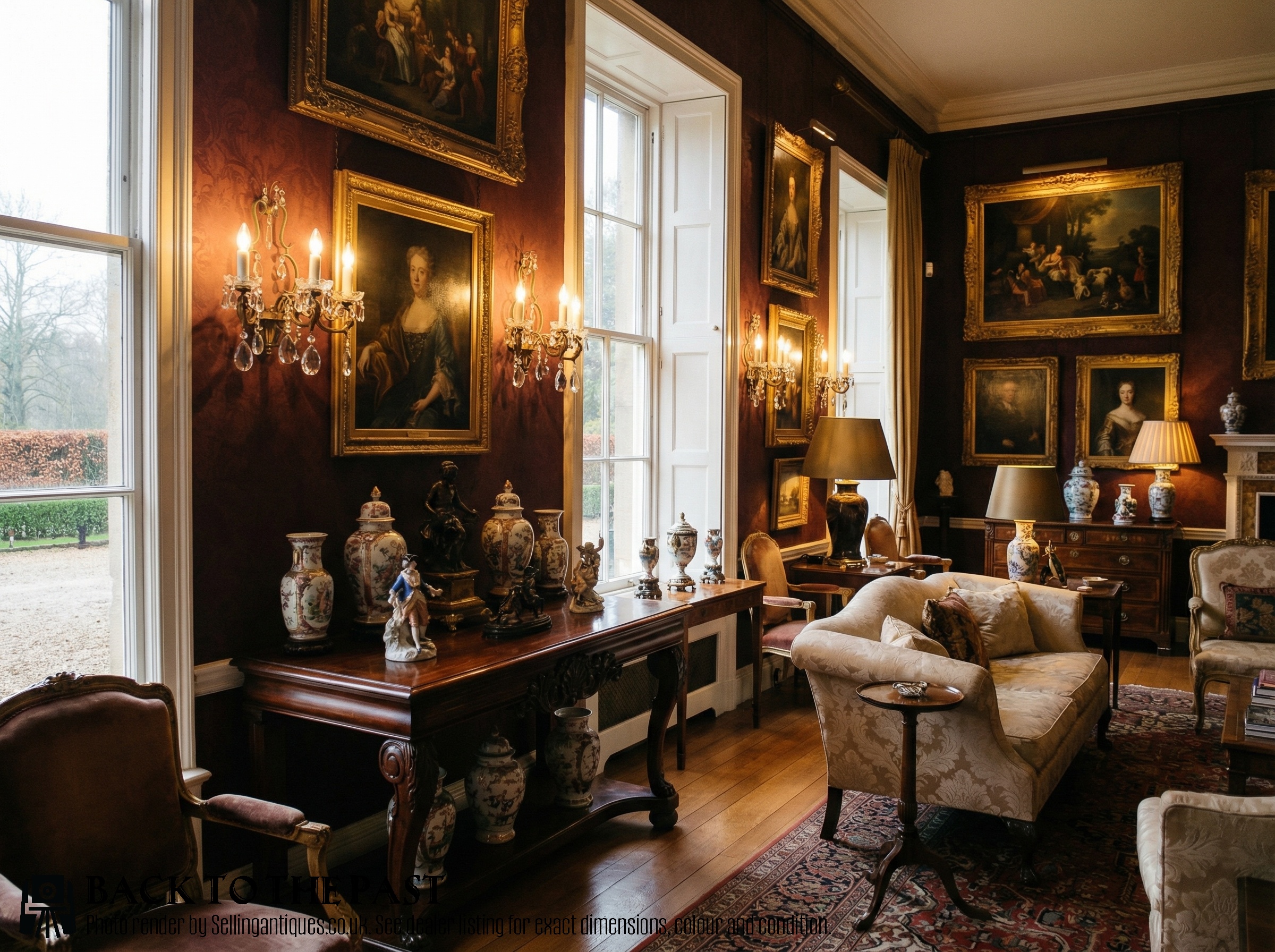
Gold metal wall sconces encompass decorative lighting fixtures designed to mount directly onto vertical surfaces, providing functional illumination while acting as wall ornaments. When searching for gold metal wall sconces, buyers encounter a variety of forms ranging from single-arm lights to multi-armed configurations.
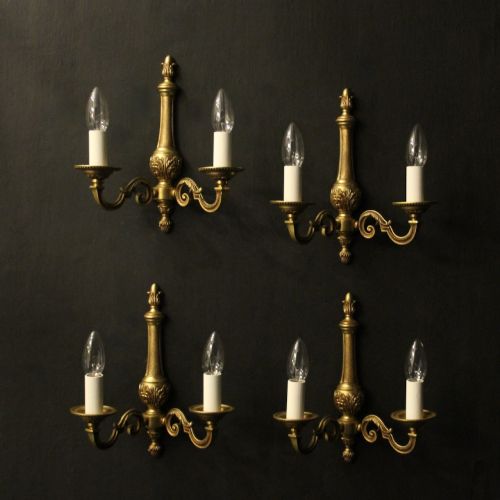
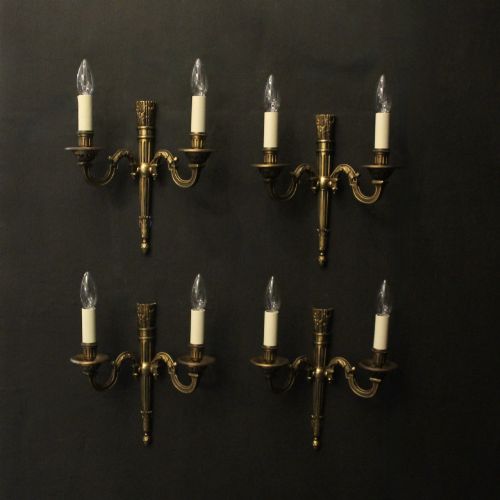
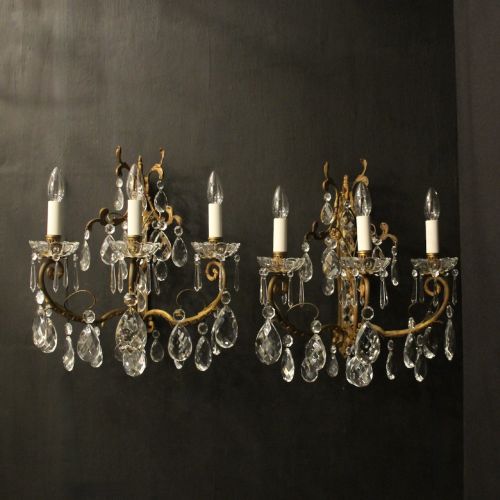
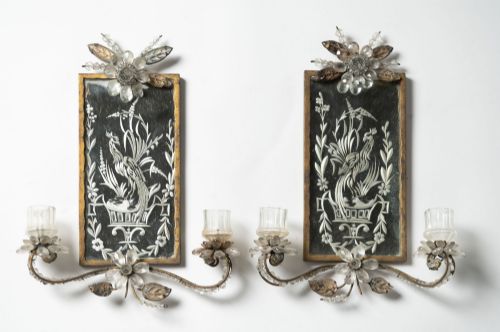
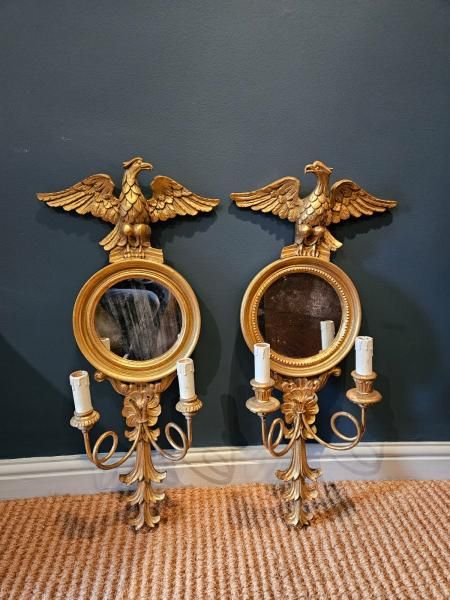
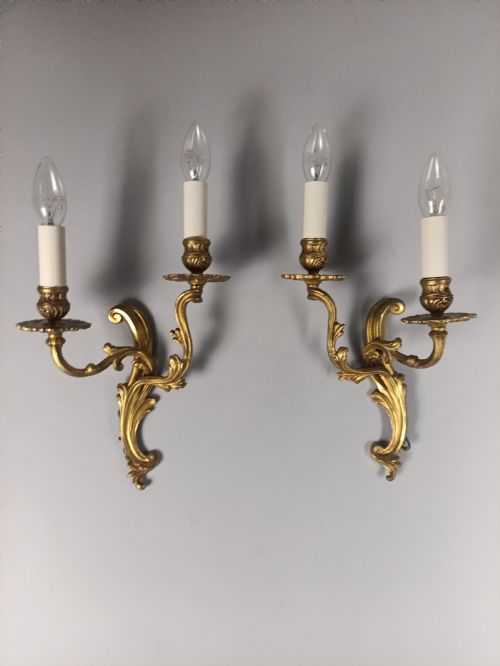
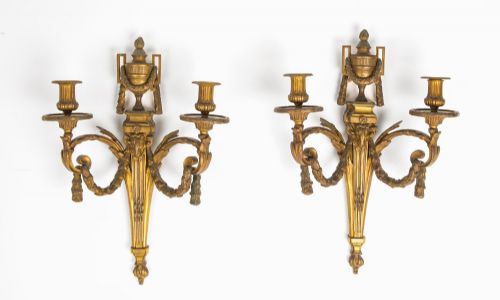
The selection leans heavily toward French origins, spanning periods from the nineteenth century through the mid-twentieth century. Common forms include twin-arm and triple-arm wall lights, girandoles, and mirror-backed sconces that reflect and amplify the surrounding light.
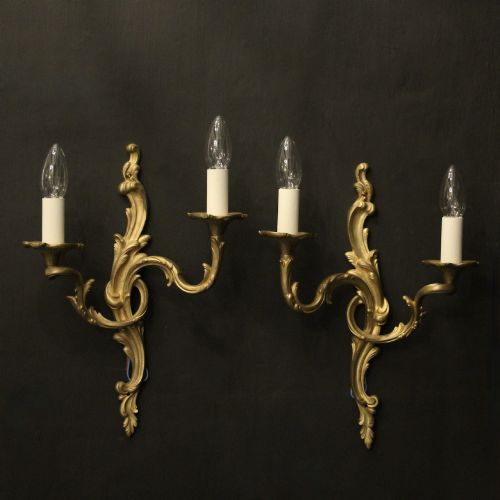
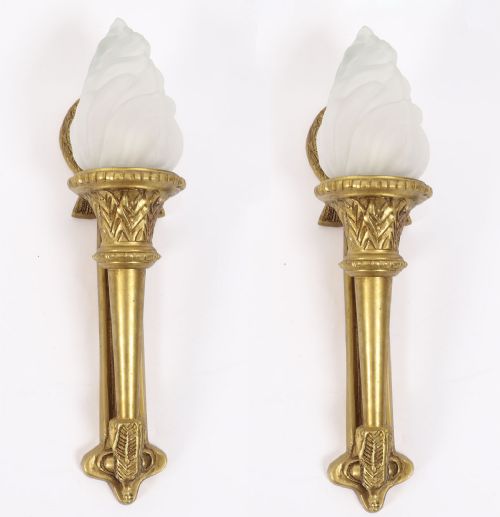
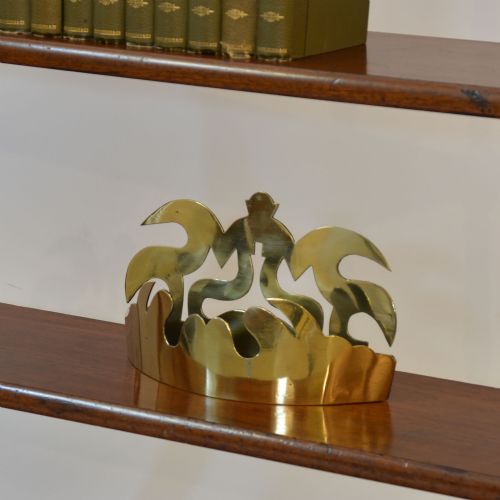
Stylistic influences across the inventory include French Rococo, Louis XVI, Empire, and Neoclassical designs. Pieces incorporate distinct decorative elements such as ram's head masks, flaming torches, and ornate crown motifs executed in metal.
How they were made
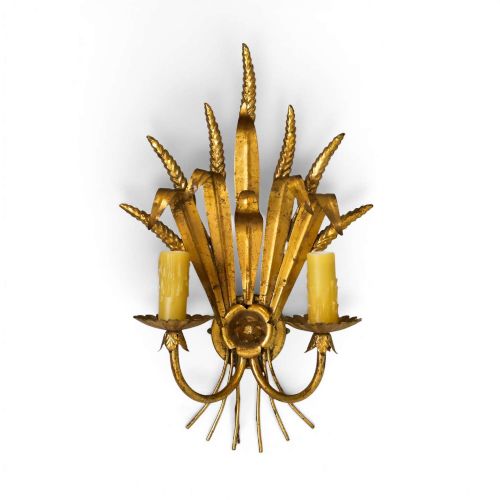
Construction relies on metals such as brass, bronze, and wrought iron, frequently finished with gilding, ormolu, or toleware paint. Artisans shaped these materials through casting, forging, and hand-finishing to create detailed surface textures and intricate structural components.
Gilded bronze and ormolu provide a rich, golden lustre, while glass and crystal elements are integrated into specific designs to catch and refract light. Wrought iron variants introduce painted surfaces and heavier structural frameworks dating from the early decades of the twentieth century.
Materials recorded include gilt bronze, ormolu, brass, wrought iron, toleware, and crystal.
What varies in quality
The standard of a piece rests upon the crispness of the metal casting and the depth of the gilding or ormolu application. Finer examples display sharp relief in decorative motifs such as acanthus leaves, floral garlands, and classical masks, whereas simpler items show softer edges.
Material selection and assembly methods further differentiate the range, distinguishing solid bronze and heavy brass castings from lighter sheet metal constructions. The integration of supplementary materials, including cut glass pendants and mirrored backplates, introduces another layer of variation in craftsmanship.
Maison Baguès
The Gold Metal Wall Sconces Glossary
- Ormolu
- Finely ground high-carat gold mercury-gilded onto a bronze base, creating a rich golden finish characteristic of French decorative objects.
- Girandole
- A branched wall sconce or candleholder featuring a mirrored backplate designed to reflect and multiply the light.
- Toleware
- Painted or lacquered sheet metal items, often decorated with floral or scenic motifs in various colours.
- Rococo
- An ornate artistic style marked by asymmetry, scrollwork, and elaborate C-scrolls and naturalistic plant motifs.
- Empire
- A neoclassical design style inspired by the architecture and ornamentation of ancient Rome during the Napoleonic era.
Gold Metal Wall Sconces: Frequently Asked Questions
How do I clean gilded metal?
Gilded metal requires gentle dusting with a soft, dry cloth to prevent the accumulation of particles without disturbing the delicate surface finish. Avoid harsh chemical cleaners or abrasive polishes that can wear away gilding or ormolu over time.
Professional assessment is recommended for pieces showing signs of tarnish or structural instability to preserve the integrity of the antique materials.
Are these sconces wired for electricity?
The inventory includes examples adapted for electric wiring alongside pieces that retain their original candle-holding configuration. Wiring standards vary due to the nineteenth and twentieth-century origins of the items.
Buyers should consult a qualified electrician to inspect and adapt older light fittings to meet contemporary safety requirements before installation.
What styles are common in these sconces?
French Neoclassical, Louis XVI, and Rococo Revival styles dominate the selection, showcasing ornate scrolling, classical motifs, and symmetrical or asymmetrical branching arms. These designs reflect the historicist tastes of the nineteenth and early twentieth centuries.
Other variations include Empire styles featuring martial or classical emblems, alongside simpler mid-century interpretations of traditional forms.