




Gold Metal Lantern
A gold metal lantern brings soft illumination and architectural presence to a hallway, drawing on styles from the nineteenth century to the mid-twentieth.
Gold Metal Lantern
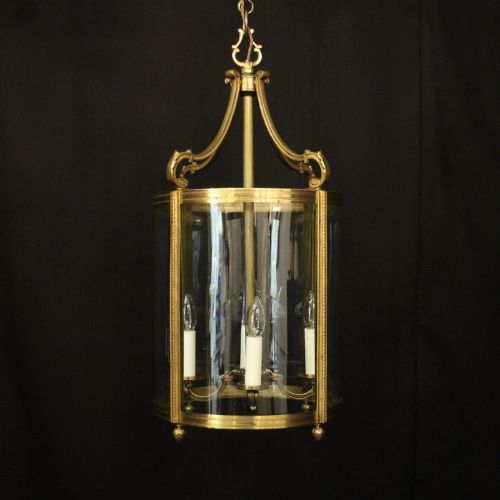
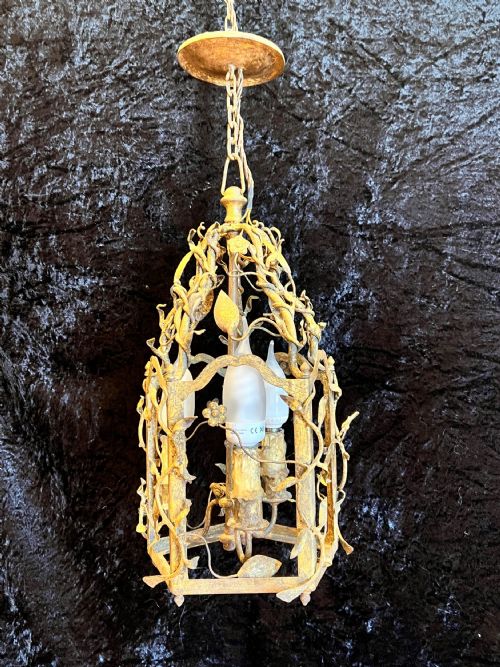
A gold metal lantern covers a variety of hanging lighting, including hall lanterns, pendant lights, and chandeliers constructed from brass, bronze, and gilt metals. These pieces range from compact hexagonal shapes to multi-light fixtures designed for prominent entrance spaces.
The selections span distinct periods, featuring Edwardian designs alongside earlier Victorian examples and later twentieth-century creations. French neoclassical and chateau influences appear frequently among the listings, often incorporating shaped glass panels.
Moorish revival and art nouveau styles also emerge within the range, introducing pierced metalwork and organic framing to the standard lantern form. Buyers encounter both domestic interior lighting and outdoor street adaptations finished in metallic tones.
Materials and construction
Construction relies heavily on brass, bronze, and gilt metals, paired with clear or cut glass panels. Gilded surfaces provide a reflective quality that catches ambient light within entrance halls and corridors.
Workshops utilised casting, piercing, and framing techniques to assemble rigid metal structures around glass panes. Bevelled and convex glass panes required precise fitting into brass or bronze frames to achieve the desired optical effect.
One piece doubles as a lamp post clock by Jaeger Le Coultre.
Evaluating craftsmanship
Quality rests in the crispness of the metal casting and the intricacy of decorative details such as pierced brass work or applied gilt finishes. Heavier gauge metals and substantial glass components distinguish more substantial pieces from lighter alternatives.
The harmony of the proportions and the fidelity of historical revival styles, such as French neoclassical or rococo elements, dictate the standing of an individual lantern. Integrated details like bevelled glass panes and multi-light internal fittings elevate the overall construction.
The Gold Metal Lantern Glossary
- Ormolu
- Gilded bronze produced by applying a finely ground high-carat gold-mercury amalgam to a bronze object. This technique was widely utilised in French decorative arts.
- Bevelled glass
- Glass pane with edges ground and polished at an angle thinner than the rest of the sheet. It creates a prism effect when light passes through the lantern.
- Convex glass
- Curved glass panels that bulge outward from the metal frame. This shape alters the diffusion of light within the hall lantern.
- Pierced brass
- Metal sheet perforated with decorative patterns using saws or punches. It allows light to filter through the sides of pendant lights.
Gold Metal Lantern: Frequently Asked Questions
Where should I hang a hall lantern?
Hall lanterns suit entranceways, stairwells, and high-ceilinged corridors where their vertical presence can be fully appreciated. They function effectively as primary light sources in transitional spaces.
Ensure adequate clearance for foot traffic below, particularly with multi-light chandeliers and hanging pendant fixtures.
How do I date an antique lantern?
Dating relies on examining the metal composition, casting techniques, and stylistic markers such as art nouveau curves or Victorian revival motifs. Fasteners, wiring remnants, and glass cutting styles also offer clues to the period of manufacture.
Comparing the decorative vocabulary against documented design sources helps narrow down the decade or century.
Are these lanterns electrified?
Many examples arrive with electrical wiring already installed, ranging from older conversions to more recent updates. Buyers should inspect existing internal components to determine suitability for current electrical standards.
Professional rewiring is often recommended to ensure safe operation within a modern domestic setting.
What maintenance do gilt metal lanterns need?
Gilt surfaces require gentle dusting with a soft, dry cloth to prevent the accumulation of grime on delicate metalwork. Avoid abrasive cleaners that can strip or damage the gold finish.
Glass panels can be removed or cleaned in place using standard glass cleaner applied to a cloth rather than sprayed directly onto the metal.