

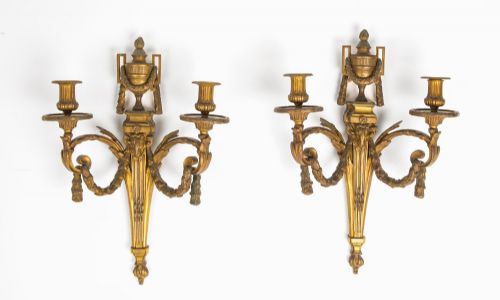


Gold Metal Candle Sconces
Gold metal candle sconces bring sculptural warmth to walls, combining functional illumination with decorative metalwork across periods.
Gold Metal Candle Sconces
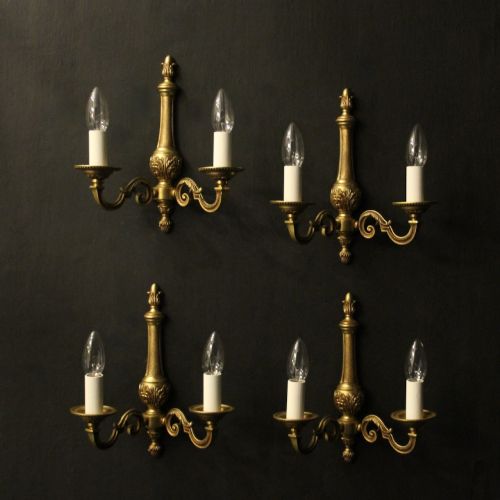
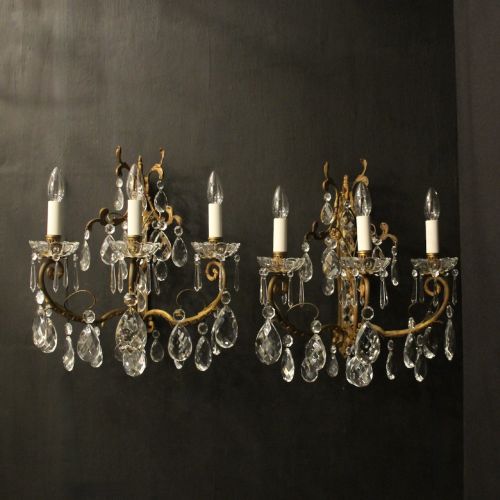
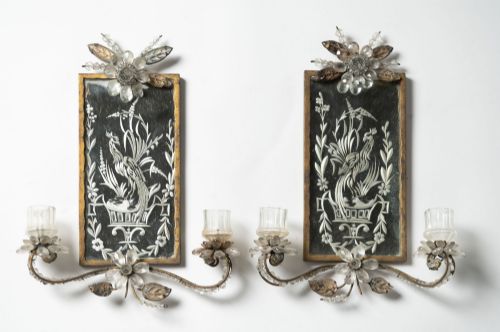
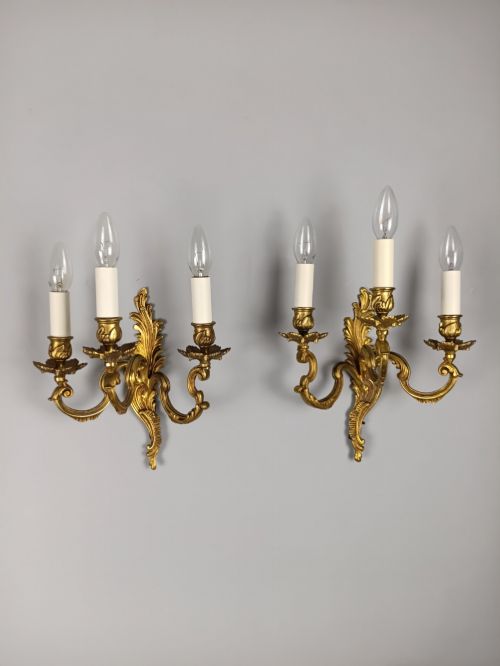
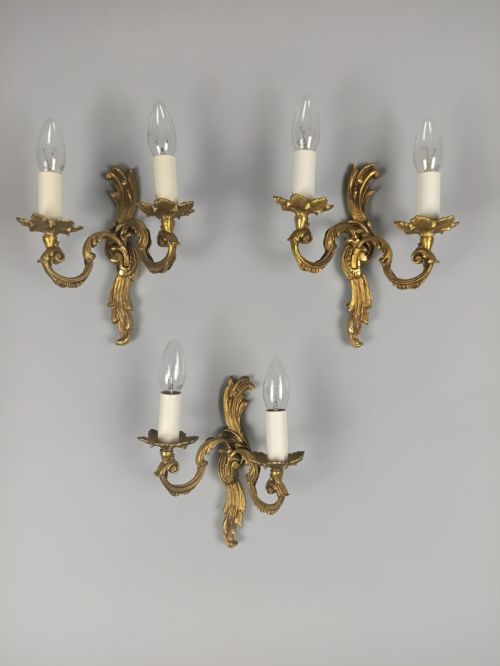
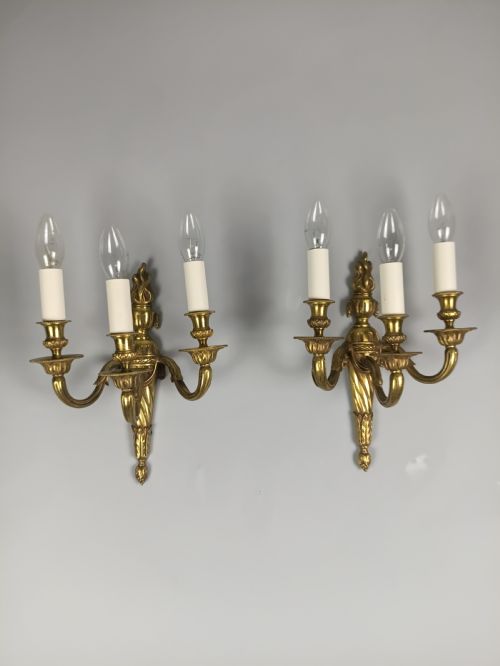
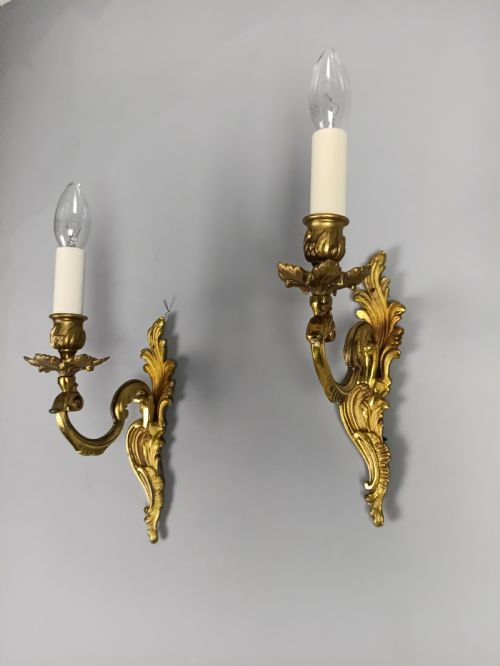
Gold metal candle sconces comprise wall-mounted lighting fixtures designed to hold candles, appearing frequently in French and English designs from the nineteenth and early twentieth centuries. When searching for gold metal candle sconces, buyers encounter various configurations including single arm, twin arm, and triple arm formats alongside mirror-backed variants.
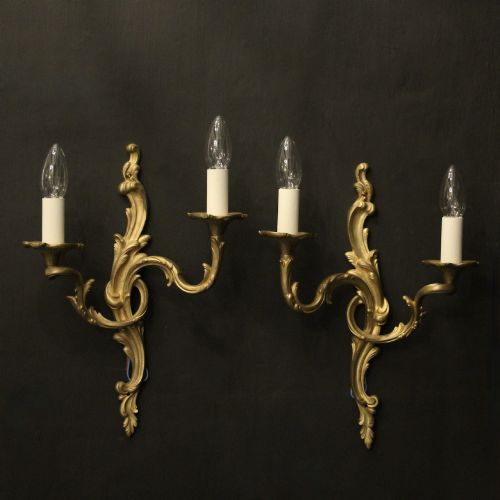
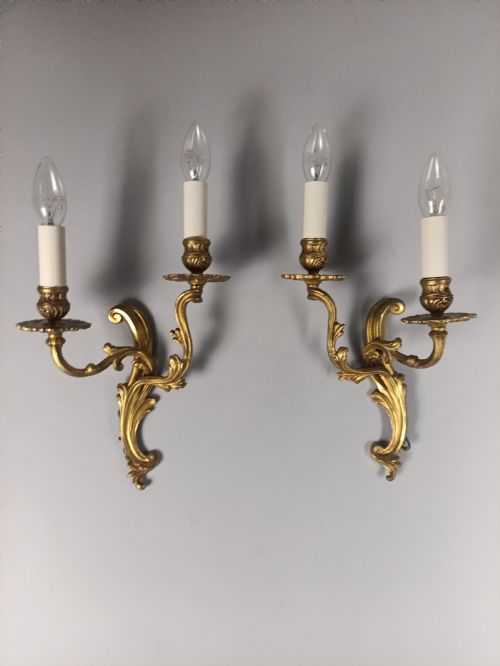
The selection spans multiple stylistic interpretations, drawing heavily from French Rococo, Regency, and mid-century aesthetics. Pieces range from simple brass constructions to elaborate gilt bronze and ormolu wall lights carrying decorative motifs like ram's head masks and foliate scrollwork.
How they were made
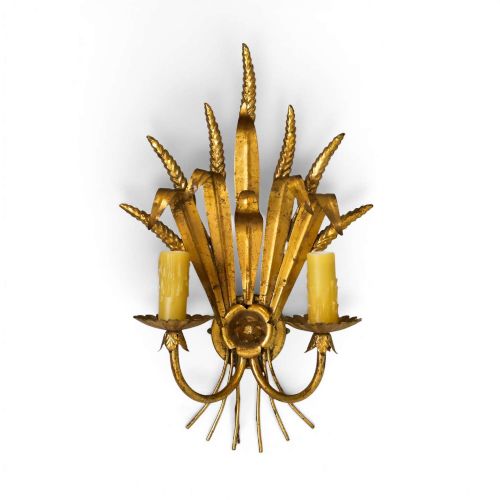
Manufacturers utilised metals such as brass, bronze, and wrought iron as structural foundations, applying gilding to achieve the characteristic golden surface finish. Craftspeople cast bronze and brass components, sometimes incorporating glass, crystal, or toleware elements into the final assemblies.
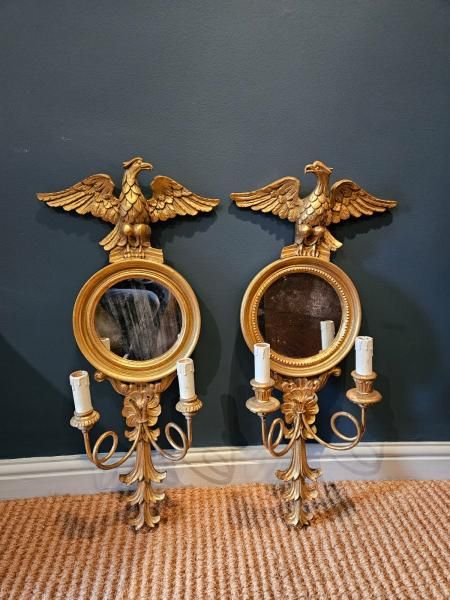
Detailed ornamentation required careful casting and hand-finishing, seen in sculptural branches, classical masks, and rococo scrolls. Certain items integrated mirrors to reflect candlelight, multiplying the illumination cast into the room.
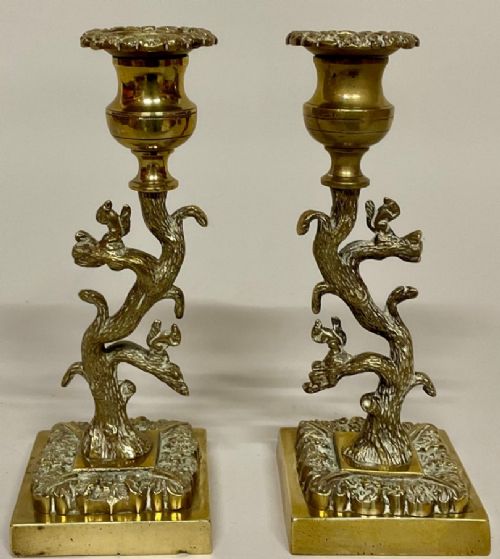
Squirrels occasionally scamper up tree-cast branches in Regency sconce designs, holding campana cups aloft as if sharing secrets.
What varies in quality
Quality differences stem from the crispness of the metal casting and the depth of the gilding applied to the bronze or brass surface. Finer examples display sharp relief in sculptural details like foliage and animal motifs, whereas simpler items rely on basic pressed metal forms.
The choice of material dictates longevity and weight, with solid gilt bronze and ormolu sitting at a higher tier than lightweight gilt metal alternatives. Original components, consistent patination, and balanced arm symmetry separate standard production pieces from exceptional works.
Maison Baguès
The Gold Metal Candle Sconces Glossary
- Ormolu
- Finely ground high-carat gold applied to a bronze base using a mercury amalgamation technique, popular in French decorative arts.
- Gilt Bronze
- Bronze metal that has received a thin layer of gold or gold-coloured finish to simulate solid gold.
- Girandole
- An ornamental branched wall light, frequently incorporating a mirror to enhance the reflective spread of candlelight.
- Toleware
- Enamelled or painted sheet metal items, often utilised in decorative wall sconces for added colour and texture.
- Campana
- A bell-shaped vessel form frequently seen in the candle-holding sockets of traditional sconces and candlesticks.
Gold Metal Candle Sconces: Frequently Asked Questions
How do I hang heavy wall sconces?
Heavy bronze and brass sconces require secure fixing into wall studs or the use of appropriate cavity anchors to bear the substantial weight safely.
Professional installation ensures the backplate sits flush against the wall without straining the structural arms.
Are these sconces wired for electricity?
While traditional designs held candles, certain mid-century and later adaptations arrive converted for electrical use by modern makers.
Buyers should inspect the internal wiring of any electrified fixture to confirm compliance with current electrical safety standards.
How do I clean gilded metal sconces?
Dust accumulation requires gentle removal using a soft, dry brush to protect delicate gilt surfaces from abrasion.
Harsh chemical polishes must be avoided entirely because they strip away the thin gold layer resting on the bronze or brass underneath.
What is the difference between ormolu and gilt brass?
Ormolu specifically denotes mercury-gilded bronze favoured in high-status French decorative objects produced during earlier historical periods.
Gilt brass represents a more accessible metal alloy treated with a golden coating, common in twentieth-century lighting fixtures.