

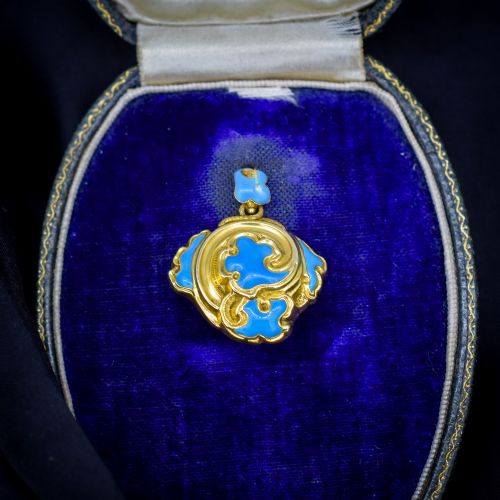
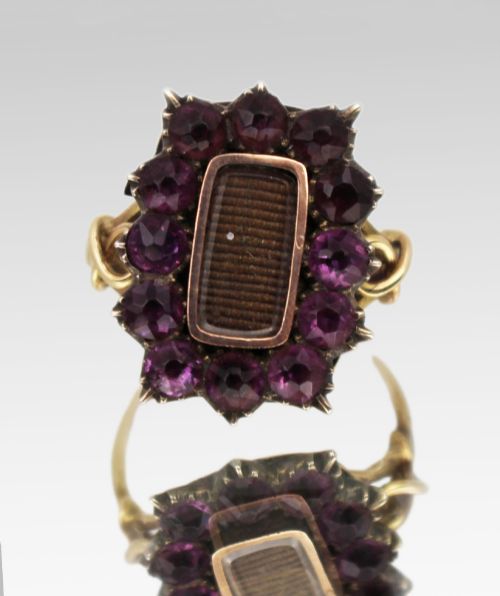


Gold Memorial Locket
A gold memorial locket holds the hair or portrait of someone lost, offering a tangible connection to the past through precious metals and sentiment.
Gold Memorial Locket
When you search for a gold memorial locket, you encounter pieces designed to hold personal mementoes like locks of hair, miniature portraits or tiny photographs. These items span the Georgian, Victorian and Edwardian eras, reflecting changing social customs around remembrance and mourning.
The selections available here include pendants, rings, brooches and bangles, with pendant lockets and glazed compartment pieces appearing most frequently. Such items were worn close to the heart or on the hand, serving as deeply personal keepsakes for the bereaved wearer.
Makers utilised various carats of gold, ranging from nine carat up to eighteen carat yellow gold, alongside silver-gilt settings. The physical forms shift from simple glazed lockets to elaborate shaker bangles and heart-shaped hinged compartments.
Materials and construction
The construction of these pieces relies on precious metals shaped into hinged lockets, bezels and chased bands. Workshops employed yellow gold in fifteen and eighteen carat standards, alongside lower nine carat alloys, to house the internal compartments.
Makers incorporated glass panels to protect delicate hair work, seed pearls, turquoise stones and coloured enamel designs. Hair work itself was meticulously arranged behind glass, often braided or curled into intricate floral patterns.
Surface decoration frequently involved blue enamel, garnet stones, ruby paste and seed pearls set around central glazed windows. Hinges and clasps were engineered securely to keep the internal remembrance tokens protected during daily wear.
Gold Memorial Locket Retail Price Guide 2026
Typical asking prices for gold memorial locket among the pieces listed under this phrase on Sellingantiques today, from the lower quarter to the upper quarter. They describe what is for sale here now, not the wider market.
Object forms in the inventory include rings, brooches, bangles, pendants and lockets incorporating turquoise, garnets and glass components.
Assessing quality and craftsmanship
Quality in these items is determined by the precision of the goldsmith's work and the complexity of the internal hair arrangement. Superior examples feature crisp engraving, flawless glass covers and secure, well-fitted hinges that close with a clean snap.
The choice of gemstones and decorative techniques also marks the distinction between standard production and finer commissions. Enamelling intact without chips and uniform seed pearl alignment indicate higher craftsmanship during the Victorian and Edwardian periods.
The weight of the gold and the purity of the metal, such as eighteen carat components compared to lesser alloys, dictate the substance of the piece. Preservation of original glazed compartments and untouched interior contents elevates the historical integrity of the locket.
The Gold Memorial Locket Glossary
- Hair work
- The Victorian craft of arranging human hair into decorative patterns, often braided or curled, to place beneath the glass window of a remembrance piece.
- Seed pearl
- A very small, natural or saltwater pearl used extensively in Victorian and Georgian jewellery to border bezels or form floral motifs on mourning pieces.
- Glazed locket
- A locket featuring a transparent glass or crystal panel designed to display a portrait, photograph or hair work without exposing it to the air.
- Shaker locket
- A type of jewellery compartment containing loose elements, such as pearls or hair fragments, that move freely beneath a protective glass cover.
- Enamel
- A durable coloured substance fused to the surface of metal through heat, frequently utilised in blue or black on mourning jewellery to signify remembrance.
Gold Memorial Locket: Frequently Asked Questions
What is inside a gold memorial locket?
These pieces typically contain a lock of human hair arranged behind glass, a miniature painted portrait or a small photograph of a departed loved one. Some examples also incorporate tiny woven fabric fragments or initials worked in seed pearls.
Over the centuries, the contents were chosen by the family to keep the memory of the deceased physically close. The interior compartments are often accessed via a hinged bezel or a sliding glass cover.
How do I date a memorial piece?
Dating relies on stylistic clues, materials and hallmarking where present, spanning from the Georgian era through the Victorian and Edwardian periods. Early Victorian and Georgian examples often feature closed-back gemstone settings and heavy hand-carved gold work.
Later Victorian and Edwardian pieces shift towards lighter nine carat alloys, shaker styles and brighter enamel colours. The form of the hair work and the cut of any incorporated stones also help narrow down the decade of manufacture.
Can I wear my locket daily?
Daily wear is possible provided you treat the piece with care, keeping in mind the antique nature of the hinges, glass panels and internal hair work. Removing the jewellery before swimming, bathing or engaging in strenuous physical activity protects the delicate components.
Gold is a relatively soft metal, especially in higher carats, and antique glass can be vulnerable to sharp impacts. Regular gentle cleaning with a soft cloth preserves the metal finish without disturbing the fragile contents inside.
How do I care for antique hair work?
Hair work requires protection from moisture, direct sunlight and harsh cleaning chemicals to prevent the organic strands from degrading or the adhesive from failing. You should store the item in a dry, dark place when it is not being worn.
Avoid immersing glazed lockets in liquid cleaning solutions, as moisture can seep past the glass and damage the hair or paper backing. A dry microfibre cloth is sufficient for wiping down the exterior gold surfaces.