

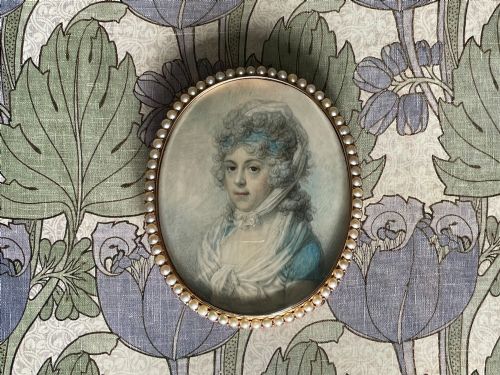
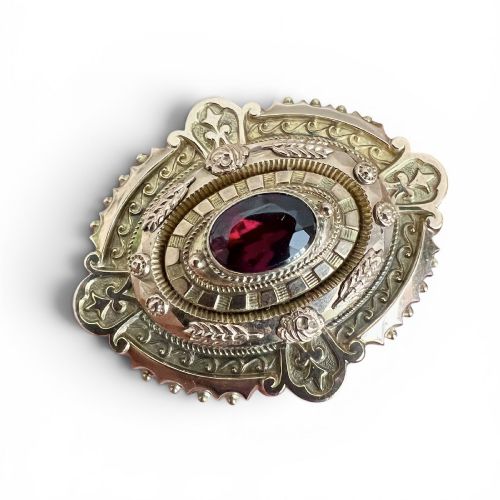
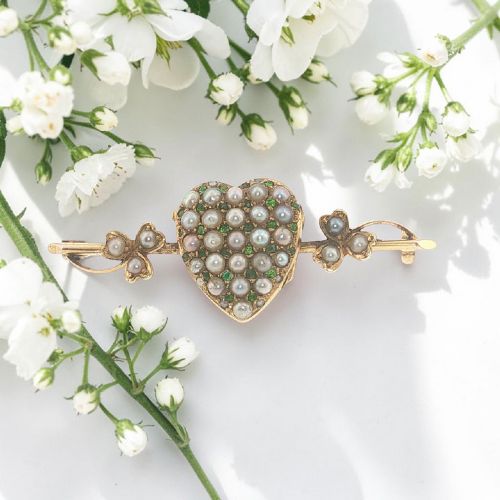


Gold Locket Brooch
These gold locket brooch pieces combine wearable ornamentation with intimate remembrance, offering a tactile piece of history to wear today.
Gold Locket Brooch
A gold locket brooch serves a dual purpose as both a decorative fastening and a secure enclosure for miniature portraits, locks of hair, or personal mementos. When buyers search for a gold locket brooch, they encounter pieces originating from the Georgian, Victorian, and Edwardian eras, along with eighteenth-century examples.
The Victorian period contributes heavily to the available selection, frequently presenting distinct aesthetic movements such as Etruscan Revival. These items manifest in forms including brooches, pendants, and dual-purpose pendant brooches.
Earlier eighteenth-century items often lean towards portrait miniatures and miniature paintings set in gold frames that function as pins. Buyers frequently meet pieces incorporating sentimental motifs like hearts alongside gemstones such as garnet, pearl, sapphire, and turquoise.
Construction and materials
The foundation of these pieces relies on gold, utilised across varying purities including fifteen-carat and nine-carat yellow and rose gold. Workshops employed skilled metalwork techniques to shape ornate frames, often incorporating wirework and granulation characteristic of Etruscan Revival styles.
Gems such as garnets, seed pearls, diamonds, rubies, and turquoise are set securely into the gold mounts to accent the central compartment or painted subject. Glass covers delicate internal components, protecting watercolour portraits or arranged hair work from environmental wear.
Gold Locket Brooch Retail Price Guide 2026
Typical asking prices for gold locket brooch among the pieces listed under this phrase on Sellingantiques today, from the lower quarter to the upper quarter. They describe what is for sale here now, not the wider market.
The listings span from the eighteenth century through the Georgian, Victorian, and Edwardian eras, showcasing gold alongside garnets, pearls, and hair work.
Assessing quality in gold locket brooches
The refinement of the metalwork and the complexity of the gold fabrication distinguish superior examples from simpler production. Pieces featuring intricate Etruscan Revival granulation or finely detailed hand-painted portraits demonstrate a higher degree of artisan skill.
The integrity of the internal compartment and the preservation of original glass or miniature art elements heavily influence the standing of a piece. Harmony between the choice of gemstones, such as matched seed pearls and vibrant garnets, and the underlying gold structure dictates the overall visual success.
Murrle Bennett
The Gold Locket Brooch Glossary
- Etruscan Revival
- A nineteenth-century design style inspired by ancient archaeological discoveries. It utilises gold granulation, wirework, and classical motifs.
- Mourning brooch
- A commemorative piece of jewellery worn to remember a deceased person. These frequently incorporate hair work, jet, black enamel, or pearls.
- Portrait miniature
- A small, highly detailed painting on ivory, vellum, or card. They were often housed behind glass within a gold locket or brooch frame.
- Seed pearl
- A very small, natural, or saltwater pearl often used in clustered pavé settings on antique jewellery. They add a delicate luminescence to gold frames.
- Paste
- Hand-cut and polished lead glass used to imitate gemstones. In antique pieces, high-quality paste work was valued for its own brilliance.
Gold Locket Brooch: Frequently Asked Questions
What is a gold locket brooch?
A gold locket brooch is a dual-function antique jewellery item designed to be pinned to clothing while housing a secret compartment inside. This internal space typically holds a painted portrait, a photograph, or braided hair.
These pieces bridge the gap between ornamental accessories and deeply personal sentimental objects. They allow the wearer to keep miniature memorials or portraits close to the heart throughout the day.
How do I wear an antique brooch?
Antique brooches can be fastened securely to jacket lapels, wool scarves, heavy sweaters, or the collars of blouses. Ensuring the fabric is thick enough to support the weight of the gold and gemstones prevents the pin from sagging.
Many pieces from the Victorian and Edwardian eras feature hidden loops or bails that allow them to transition from a brooch into a pendant worn on a chain. This versatility makes them adaptable for different necklines and outfits.
How do I date a gold locket brooch?
Dating relies on observing the stylistic markers, metal purity hallmarks, and the subject matter depicted within the piece. Georgian and early Victorian items often feature closed-back gemstone settings and hand-painted hair work.
Later Victorian and Edwardian examples show shifts toward brighter yellow and rose gold standards alongside distinct revivals of ancient design motifs. Examining the clasp type and hinge construction also provides clear clues regarding the decade of manufacture.
How do I care for antique hair jewellery?
Hair work and portrait miniatures inside locket brooches require protection from moisture, direct sunlight, and harsh chemical cleaners. Keeping the piece in a dry environment prevents degradation of the delicate internal components.
Because the glass covers historical materials that cannot be easily replaced, opening the locket should be done sparingly and with extreme care. Professional cleaning of the exterior gold should avoid touching any paper, paint, or hair inside the compartment.