




Gold Leaf Portrait Miniature
A gold leaf portrait miniature is a small, hand-painted likeness framed by precious metal and gilt accents, prized for intense personal intimacy and exquisite detail.
Gold Leaf Portrait Miniature
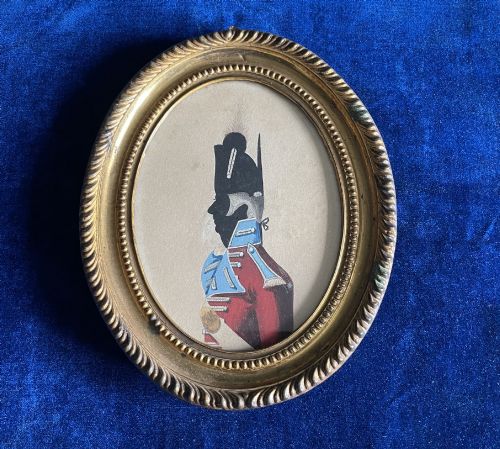
When you search for a gold leaf portrait miniature, you encounter delicate portable artworks executed across the eighteenth and nineteenth centuries. These pieces capture aristocratic sitters, children, military figures, and cultural rulers in remarkably small formats.
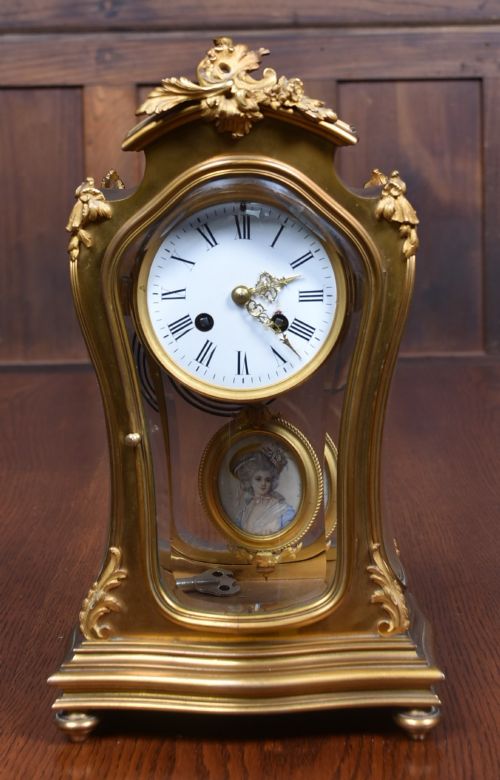
The selections span distinct periods including the Georgian era, Regency period, and the nineteenth century. Common forms range from standalone framed paintings and watercolours to signed mantel clocks and painted album pages.
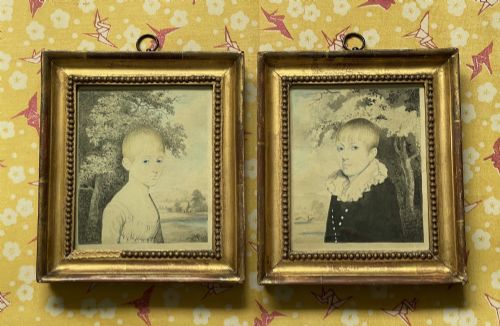
You frequently discover pairs of companion portraits and silhouetted profiles alongside religious subjects and romantic pastoral scenes. Each object reflects the prevailing portraiture conventions of its specific origin, from British and French studios to Mughal and Ottoman courts.
Materials and techniques
Artists utilised paper, glass, and tinplate as grounds for delicate applications of watercolour, pastel, gouache, and pencil. Gilt wood, gilt metal, and giltwood frames enclose these portraits, often incorporating gold leaf to illuminate the background or border.
Periods represented span the early eighteenth century through the nineteenth century, including Regency and Georgian eras.
Judging quality and execution
Quality rests upon the fineness of the brushwork and the expressive capability captured within a diminutive scale. Superior examples display precise anatomical control, convincing skin tones, and meticulous rendering of lace, hair, and uniform details.
The integrity of the surrounding gilt metal, giltwood frame, or integrated stand contributes significantly to the overall merit. Works attributed to documented artists or established schools command attention through disciplined draughtsmanship and well-preserved pigments.
JAMES SHARPLES·Louis Léopold Boilly·Ozias Humphry·George Hargreaves
The Gold Leaf Portrait Miniature Glossary
- Gouache
- An opaque watercolour paint that provides solid, matte areas of colour in miniature paintings. It allows artists to build dense, rich layers.
- Tinplate
- Thin sheet iron coated with tin, utilised as a durable painting surface for naive Scandinavian school portraits. It offers a rigid support distinct from paper.
- Pastel
- A dry medium consisting of powdered pigment and a binder, frequently combined with gouache in Regency portraits. It creates soft textures and subtle tonal transitions.
- Silhouette
- A solid dark profile portrait, typically cut from paper or painted in black against a contrasting background. These offer direct likenesses without internal facial details.
- Album page
- A decorated leaf removed from a bound volume, often featuring illuminated borders and gold leaf work. Mughal and Deccan examples showcase this traditional format.
Gold Leaf Portrait Miniature: Frequently Asked Questions
How were portrait miniatures displayed?
Owners typically hung these small artworks closely together on private chamber walls or kept them protected in travel cases. Many featured fitted stands for tabletop placement.
Some examples were integrated directly into decorative objects such as French mantel clocks, allowing owners to view the likeness while checking the time.
What subjects appear in these miniatures?
Portraits depict named historical individuals, military officers, leading actresses, children, and family friends. Emperors, rulers, and religious figures also feature prominently.
Beyond direct portraits, works include pastoral musicians after famous painters, literary illustrations, and royal genealogy records from Ottoman and Mughal traditions.
How do I distinguish eighteenth from nineteenth-century pieces?
Eighteenth-century works often reflect Georgian aesthetic conventions, Baroque influences, or French Rococo styling in their costume and framing. Sitters wear powdered hair and formal period attire.
Nineteenth-century examples frequently adopt Regency, Neoclassical, or Romantic aesthetics, displaying contemporary hairstyles, distinct fabric textures, and differing framing techniques such as gilt metal stands.
How do I care for a miniature at home?
Protect fragile watercolours, paper grounds, and gold leaf from direct sunlight to prevent fading. Keep them away from high humidity and sudden temperature shifts.
Leave original glass covers and frames intact to shield the delicate pigments from dust and physical contact during handling.