



Gold Leaf Architectural Carving
Gold leaf architectural carving comprises gilded wooden fragments, mirrors and panels originating mainly from the eighteenth and nineteenth centuries.
Gold Leaf Architectural Carving
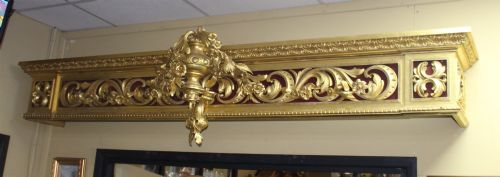
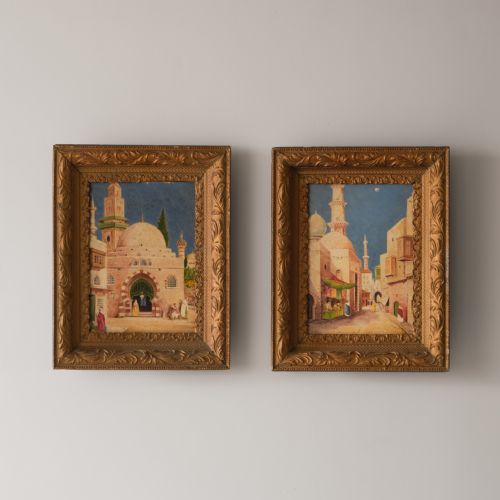
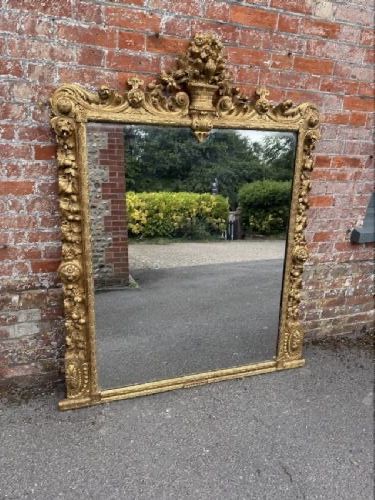
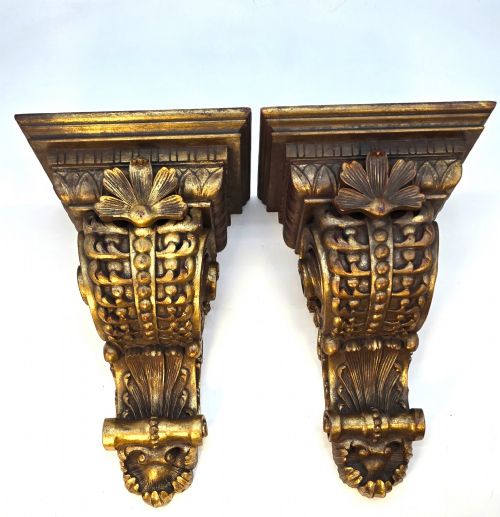
Gold leaf architectural carving encompasses items such as overmantel mirrors, pier mirrors, wall brackets, pediments, and temple panels. These pieces originate from domestic and institutional interiors across Britain, France, Italy, and China, spanning periods from the mid eighteenth century to the early twentieth century.
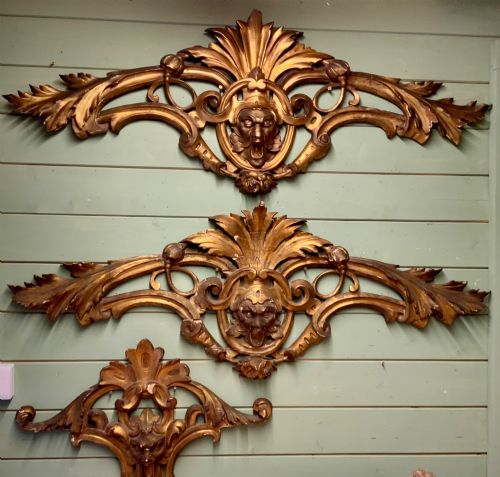
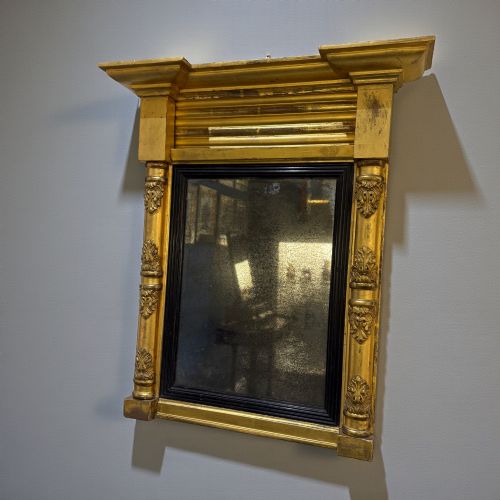
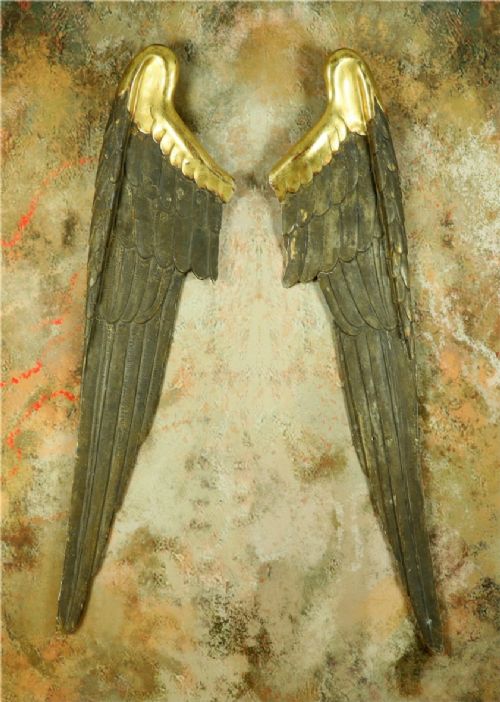
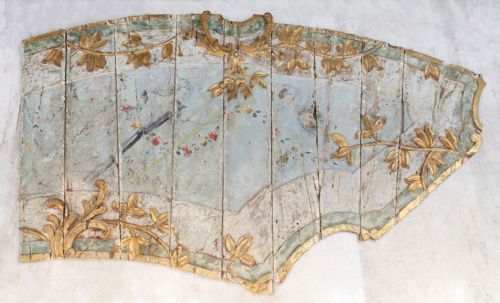
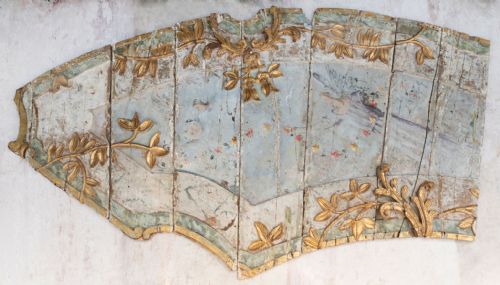
The selection here leans heavily towards nineteenth century giltwood and gesso mirrors alongside eighteenth century French wall carvings and Italian architectural fragments. Buyers encounter everything from large overmantel mirrors to smaller carved wood angel wings, altar frames, and shrine elements.
Objects retain traces of their original architectural context, whether pulled from Italian tabernacles, English domestic mantelpieces, or Chinese temple structures. Each survival demonstrates how interior woodwork was embellished with gold leaf and gesso to catch candle and daylight.
How they were made
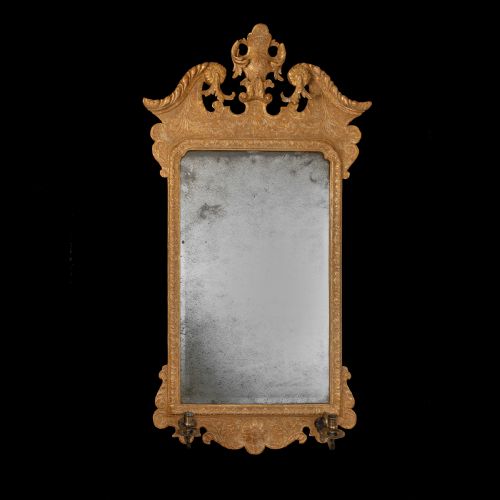
Carvers shaped timber substrates from walnut, pine, and other hardwoods before applying layers of gesso to smooth the surface and build up crisp relief detail. Artisans then laid thin sheets of gold leaf over a bole base, burnishing the metal to achieve a bright, reflective finish.
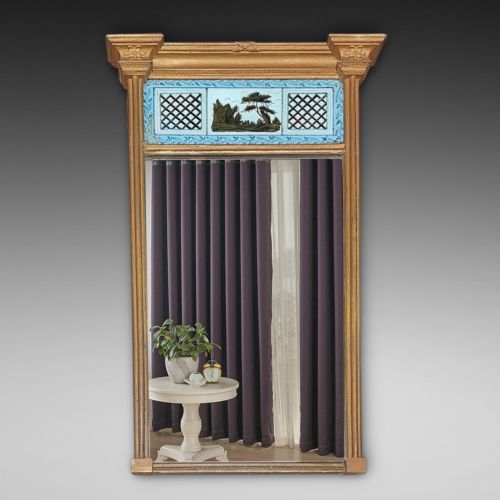
Certain pieces integrate glass plates, including verre églomisé panels and antique mirror glass, alongside painted surfaces and parcel gilt highlights. Construction methods combine traditional joinery for frames with hand-carved ornamentation pinned or glued to structural backings.
Listings feature items spanning the eighteenth, nineteenth, and early twentieth centuries, utilising gesso, giltwood, paint, and glass.
What varies in quality
The depth and crispness of the hand carving define the upper tiers of quality, separating vigorous eighteenth century work from routine later production. Sharp undercut foliage and expressive figural work demonstrate superior skill from the maker.
The integrity of the original gesso and gold leaf surface dictates the visual strength of a piece. Examples that retain their early gilding without heavy modern overpainting offer greater authenticity and coherence.
The Gold Leaf Architectural Carving Glossary
- Giltwood
- Wood that has been coated with gold leaf. This method provides a durable metallic finish across mirrors and carved architectural elements.
- Gesso
- A plaster mixture applied to wood surfaces as a preparation for gilding. It allows carvers to model fine details before laying gold leaf.
- Verre églomisé
- Cold painting and gilding on the reverse of glass. This technique appears on decorative panels and mirror frames.
- Parcel gilt
- Woodwork where only specific carved details are gilded while the rest shows exposed wood or paint. It creates contrast across mirrors and architectural ornaments.
- Tabernacle mirror
- A frame architectural in design, resembling a church tabernacle. These pieces often feature columns and pediments.
Gold Leaf Architectural Carving: Frequently Asked Questions
How do I hang a heavy giltwood overmantel mirror?
Heavy overmantel mirrors require secure wall fixing into masonry or direct stud work using appropriate brackets to bear the weight safely.
Professional installation ensures the frame remains stable and prevents strain on the original antique wooden joints.
How do I tell an eighteenth century mirror from a nineteenth century copy?
Eighteenth century mirrors often feature deeper hand-carved gesso work, distinct timber shrinkage, and earlier plate glass characteristics.
Later Victorian and Edwardian pieces display machine-sawn backing timbers and standardised decorative motifs associated with revival styles.
Where were architectural panels originally placed in a room?
Architectural panels and pediments sat above doorways, fireplaces, or as components of larger wall boiserie schemes.
In religious settings, similar carved elements formed parts of altars, shrines, and tabernacles.