
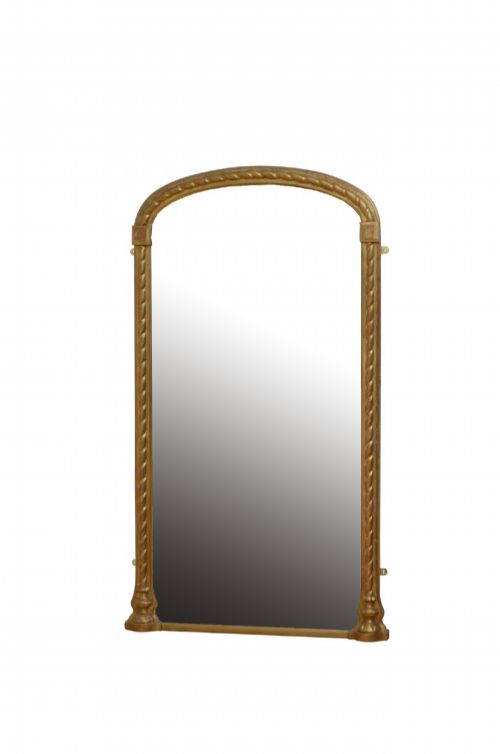


Giltwood Wall Carvings
Giltwood wall carvings are gilded wooden ornaments and architectural pieces that bring rich historical texture and reflective warmth to a room.
Giltwood Wall Carvings
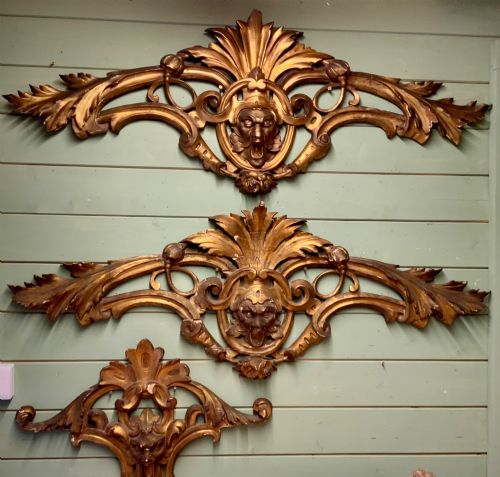
When you search for giltwood wall carvings, you encounter a varied selection of antique architectural fragments, panels, mirrors, and sculptural pieces originating from the eighteenth and nineteenth centuries. These items encompass French Rococo, Napoleon III, French Restoration, Baroque, Italian Baroque, and Qing Dynasty aesthetics.
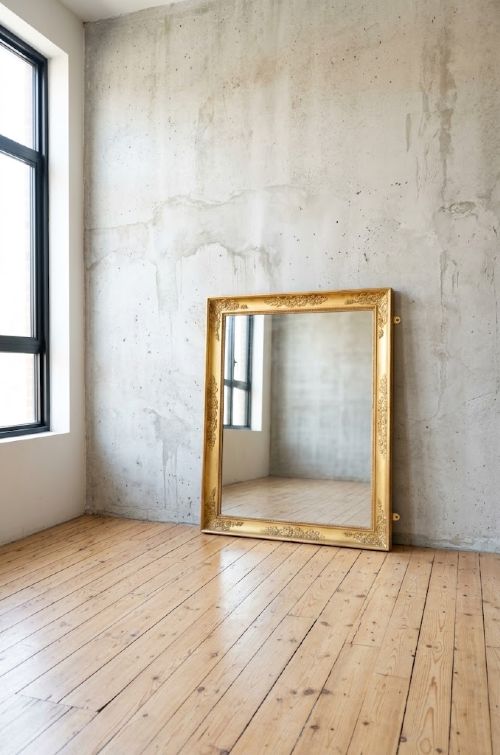
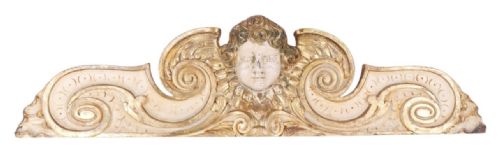
The pieces on this page lean heavily toward French and Italian mirrors, over door panels featuring cherubs, architectural salvage, and temple panels. You find both substantial arched leaner mirrors and smaller appliqués or framed works.
Originating across different European and Asian traditions, these works serve as striking focal points in a traditional or contemporary interior. Their forms range from simple carved timber panels to ornate mirrors decorated with mythological and floral motifs.
How they were made
The primary construction relies on carved wood, softwood, and timber substrates shaped by hand into intricate architectural forms and sculptural elements. Artisans then applied layers of gesso to create a smooth, prepared ground for subsequent gilding.
Makers finished these surfaces using gold leaf and lacquer, applying metallic leaf over the gesso preparation to achieve a brilliant reflective sheen. Glass panels were integrated into the frames of wall mirrors to complete the functional decorative objects.
Several pieces feature mischievous cherubs keeping a watchful, gilded eye on the room from their perches above doors and mirrors.
What varies in quality
Quality rests in the depth and precision of the hand carving, seen in the crisp execution of mythological figures, floral motifs, and cherubs. The skill of the artisan dictates whether the underlying wooden forms possess fluid movement and architectural harmony.
The application and preservation of the gold leaf and gesso layers also determine the piece's success. Subtlety in the burnishing and the harmonious integration of original timber substrates distinguish finer works from simpler production.
The Giltwood Wall Carvings Glossary
- Giltwood
- Wood that has been coated with gold leaf. This finish provides the characteristic metallic warmth seen on antique frames and panels.
- Gesso
- A plaster mixture applied to wood surfaces to prepare them for gilding. It creates a smooth base that holds fine carved details.
- Appliqué
- An ornamental carved element applied to a larger surface or wall. These pieces add architectural relief and depth to interiors.
- Pier mirror
- A tall mirror designed to hang on the wall between windows or above a pier table. They often feature arched tops and substantial frames.
- Temple panel
- A carved wooden architectural element originating from religious or traditional structures. These panels frequently display intricate regional woodworking styles.
Giltwood Wall Carvings: Frequently Asked Questions
Where should I hang a giltwood wall carving?
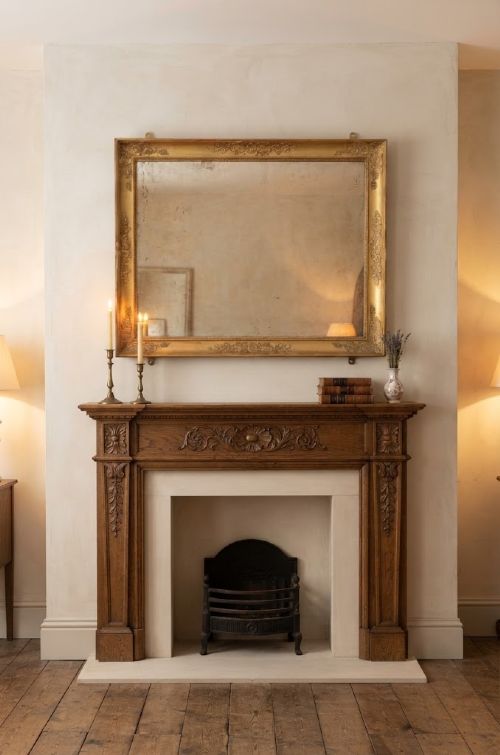
These pieces suit prominent wall spaces in reception rooms, above mantelpieces, or as architectural highlights in hallways. Their reflective surfaces and carved details draw the eye and anchor a room's decorative scheme.
Ensure the wall structure can support the weight of larger items, particularly substantial framed mirrors and architectural panels constructed from dense timber.
How do I clean antique giltwood?
Dust the surface gently with a soft, dry brush or a feather duster to remove loose particles. Avoid using water, chemical sprays, or abrasive cloths, which can damage the delicate gold leaf and gesso.
Professional conservation is recommended for deeper cleaning or if the surface shows signs of flaking and instability.
How do I distinguish eighteenth and nineteenth century pieces?
Eighteenth-century pieces often display the dynamic asymmetry and fluid curves characteristic of Rococo and Baroque design. Construction techniques, such as hand-cut joinery and the specific composition of underlying gesso, also offer clues to age.
Nineteenth-century items frequently revive earlier historical styles, incorporating heavier proportions or machine-assisted joinery alongside traditional hand carving.
Are architectural fragments meant to be functional?
Architectural fragments and panels are primarily decorative elements salvaged from historic buildings, over doors, or altars. They are appreciated for their sculptural form and historical craftsmanship rather than utilitarian use.
Owners often mount them directly onto walls as standalone works of art or integrate them into custom interior joinery.