
Gold Lavalier Necklace
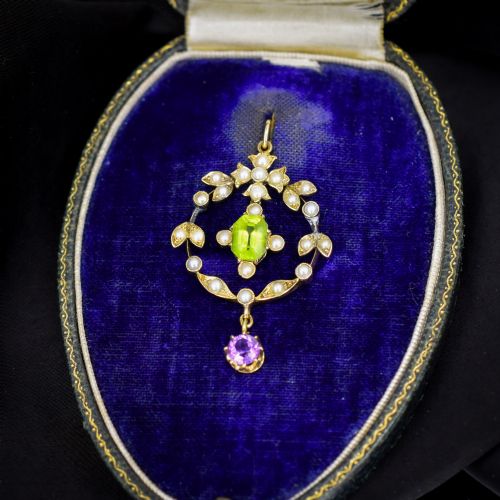
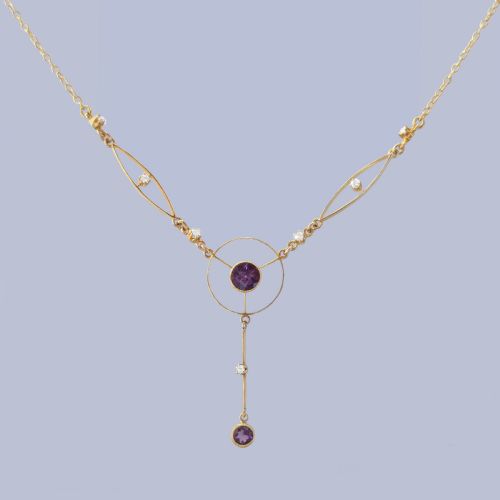
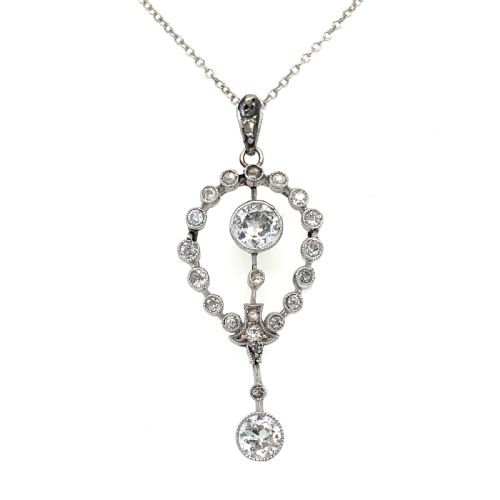
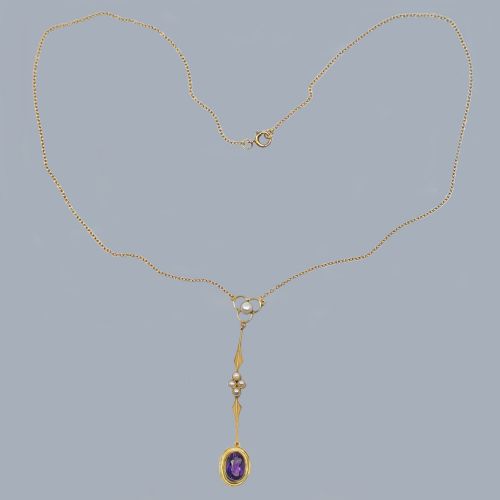
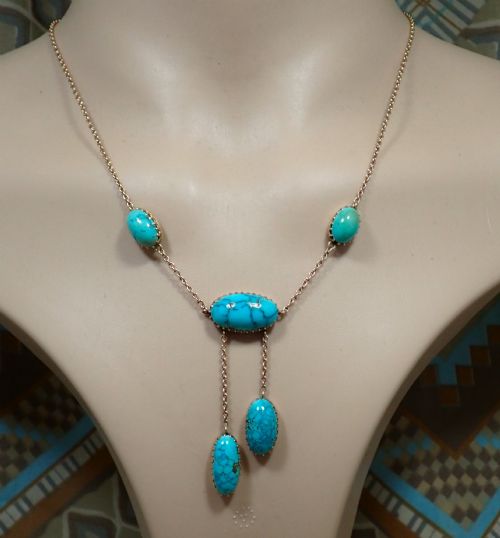
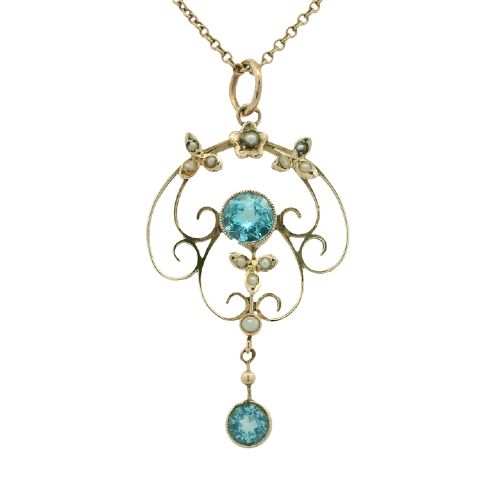
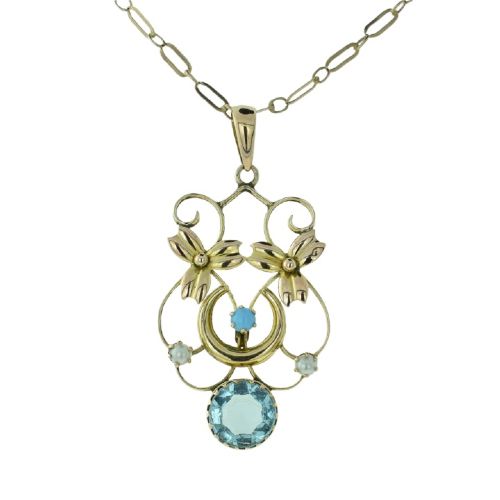
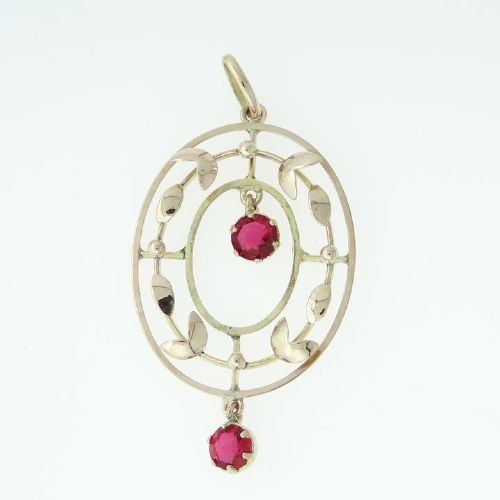
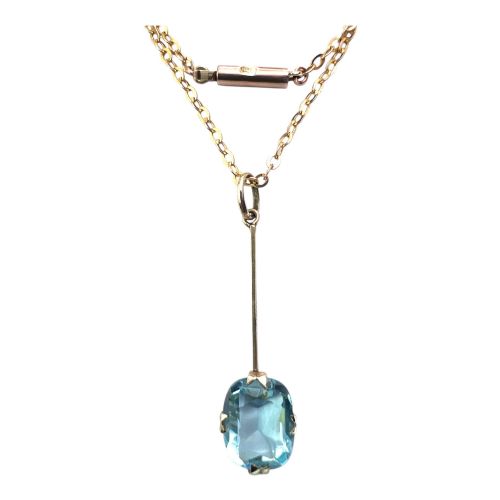
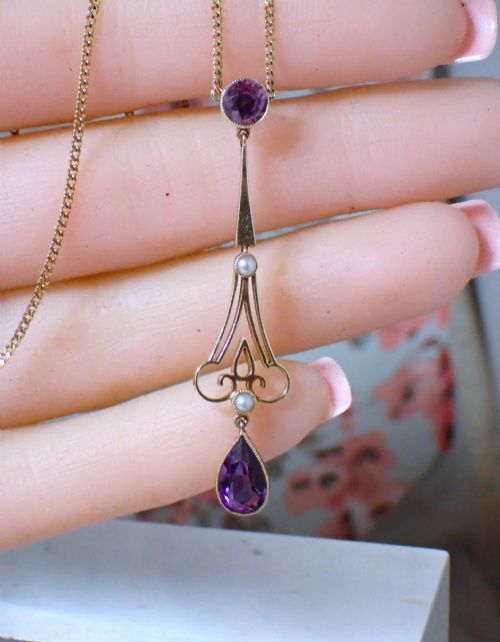
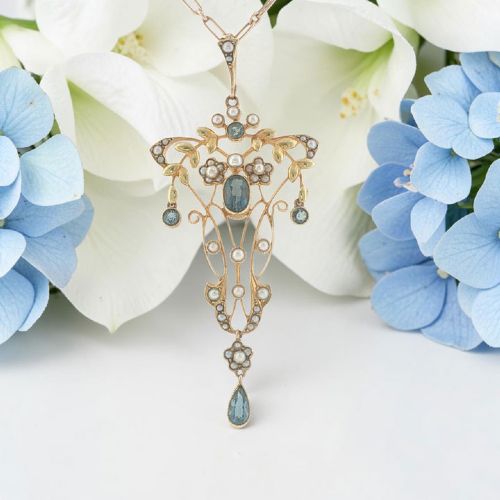
A gold lavalier necklace brings delicate pendant drops and flowing lines from the late Victorian, Edwardian, and Art Nouveau eras to the neckline.
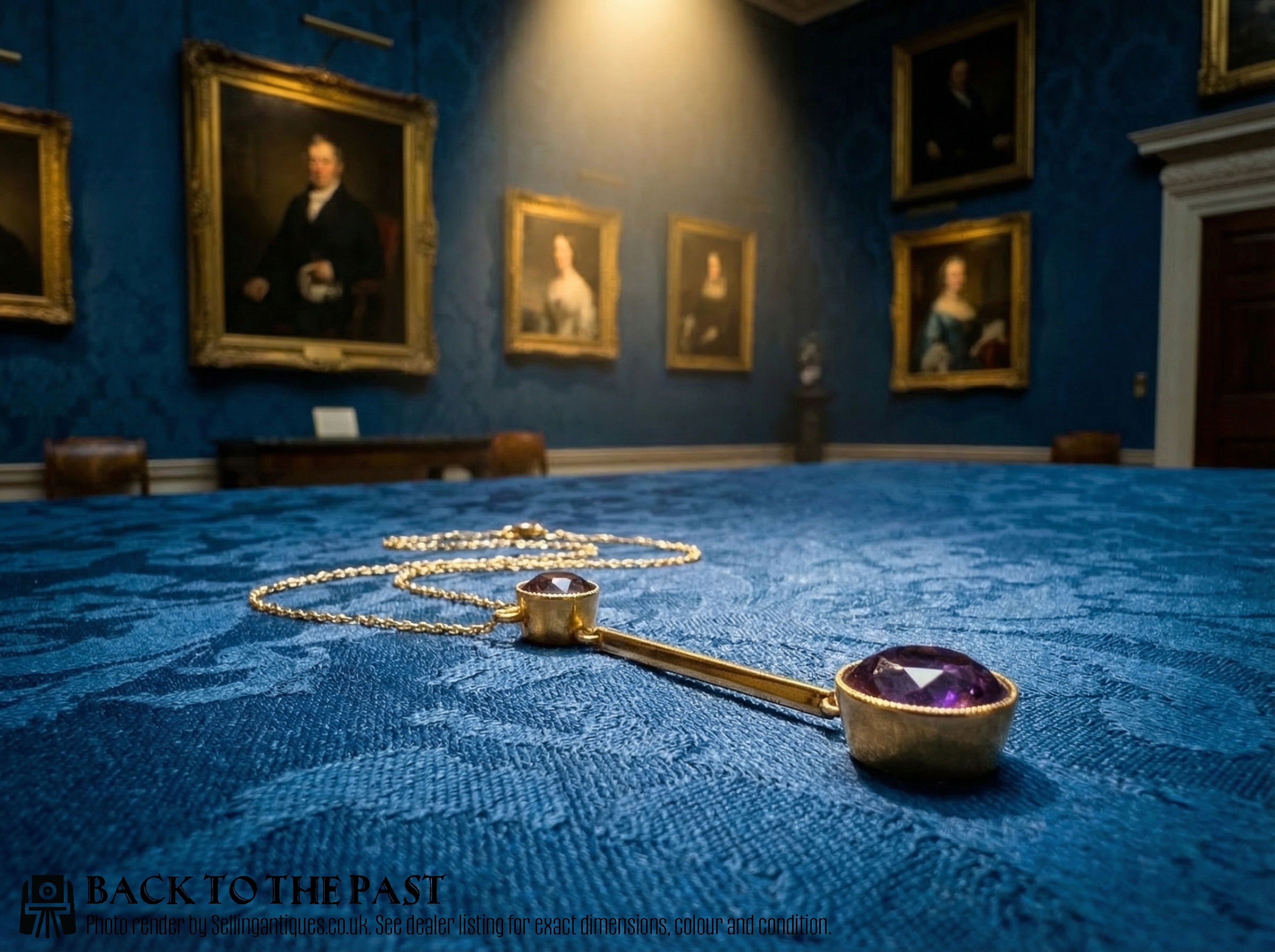
Gold Lavalier Necklace
The listings span from the late Victorian period through the 1930s, encompassing Arts and Crafts designs alongside classic Edwardian pieces. These items often double as pendant brooches, offering versatile ways to wear antique jewellery.
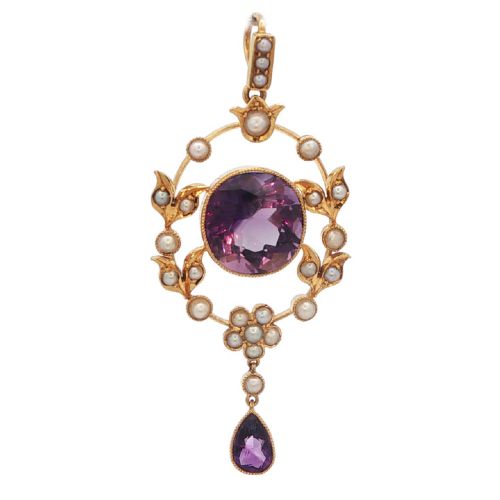
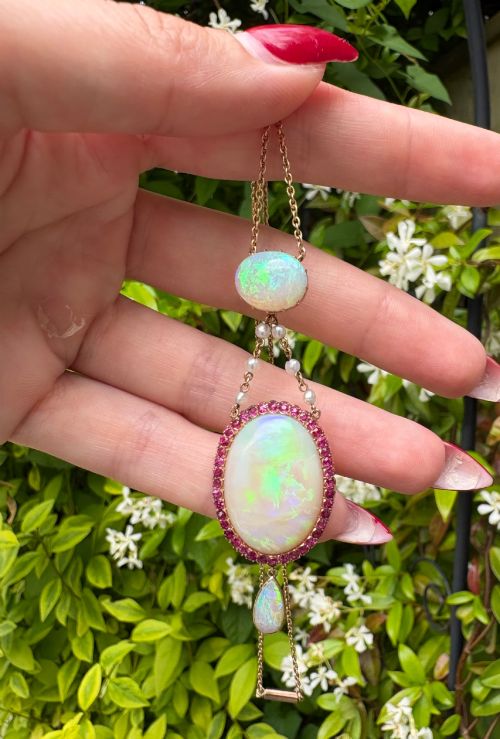
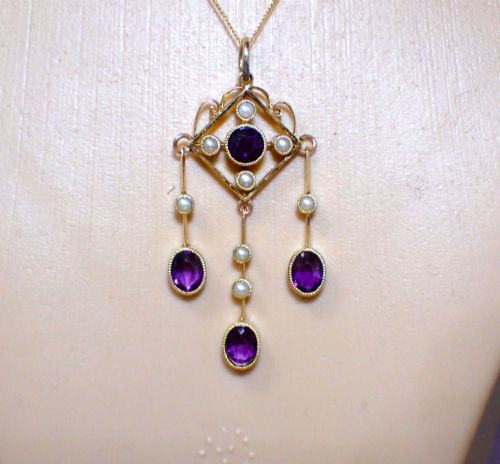
The characteristic drop design often incorporates subordinate stones dangling below a main gemstone, creating movement and catching the light with every turn. Such pieces reflect the delicate craftsmanship that defined fashionable neckwear before the First World War.
Materials and construction
Goldsmiths worked primarily in nine-carat and fifteen-carat yellow or rose gold, occasionally employing higher purities or platinum highlights to secure delicate settings. Chains and mounts were meticulously handcrafted to support suspended drops without adding excessive weight.
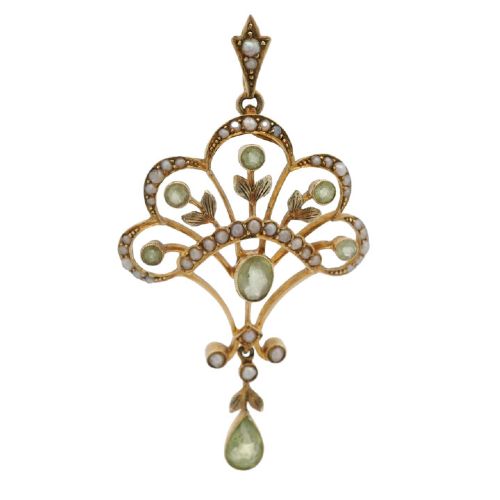
Coloured gemstones such as amethyst, peridot, aquamarine, and garnet appear alongside luminous seed pearls and diamonds. Seed pearls were often individually threaded or half-drilled and glued onto tiny pins, a hallmark of period assembly.
Listings feature yellow gold, rose gold, white gold, and platinum alongside seed pearls, amethysts, peridots, aquamarines, and diamonds.
Assessing quality in antique pendants
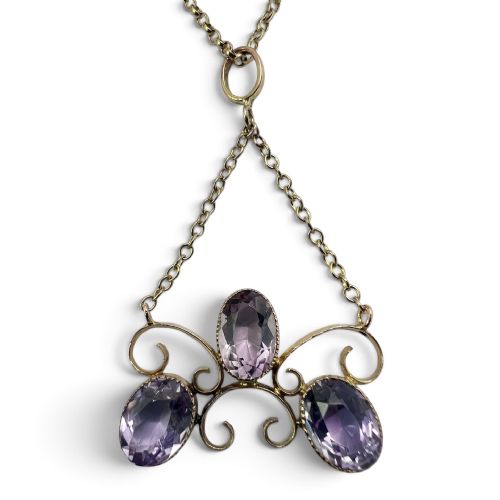
Quality rests upon the crispness of the metalwork and the precision of the stone settings, particularly in intricate Art Nouveau whiplash curves. Finer examples display harmonious stone matching, where peridots or amethysts share identical hues and saturation.
The integrity of the original chain and the survival of all delicate seed pearls without replacement significantly elevate a piece. Master workshops ensured that reverse sides of pendants showed finished, polished metalwork rather than hollow, unfinished cavities.
S. Blanckensee & Son·Murrle Bennett·Hamilton & Co
The Gold Lavalier Necklace Glossary
- Lavalier
- A pendant necklace featuring one or more drops hanging below the main setting, popularised during the late nineteenth and early twentieth centuries.
- Seed pearl
- A very small, naturally formed or cultured pearl used extensively in clusters and borders on Edwardian and Victorian jewellery.
- Art Nouveau
- A design style characterised by fluid, asymmetrical plant stems, insect wings, and sinuous organic curves popular around nineteen hundred.
- Arts and Crafts
- A movement prioritising hand-craftsmanship, visible tool marks, and traditional medieval-inspired metalworking techniques over industrial production.
- Suffragette
- A thematic colour combination of green, white, and violet - represented by peridot, seed pearl, and amethyst - associated with the women's suffrage movement.
Gold Lavalier Necklace: Frequently Asked Questions
How do I wear an antique necklace?
Wearing an antique necklace safely requires pairing it with smooth fabrics that will not catch on delicate seed pearls, claws, or dangling drops. Many pieces from this era feature integrated pin mechanisms, allowing them to transform into brooches.
Keep the necklace stored flat in a lined box away from other items to prevent the fine chains from tangling or kinking.
How do I date a lavalier necklace?
Dating relies on examining the gemstone cuts, gold hallmarks, and stylistic motifs present in the metalwork. Edwardian and Art Nouveau pieces from nineteen hundred often feature platinum-topped gold, whiplash curves, and bright peridots or amethysts.
Victorian examples tend to be heavier in yellow or rose gold, while nineteen twenties and thirties pieces lean toward geometric Art Deco styling.
Were seed pearls glued or strung?
Seed pearls in these necklaces were frequently half-drilled and secured onto tiny gold pins or prongs using period adhesives. Because natural glues can weaken over centuries, gentle cleaning with a dry cloth is recommended rather than immersion in water.
Inspect the pearls carefully under magnification to ensure all tiny spherical gems remain firmly anchored in their respective settings.