




Gold Inlay Box
These gold inlay box pieces combine precious metals and fine craft, offering tactile history and elegant small-scale storage.
Gold Inlay Box
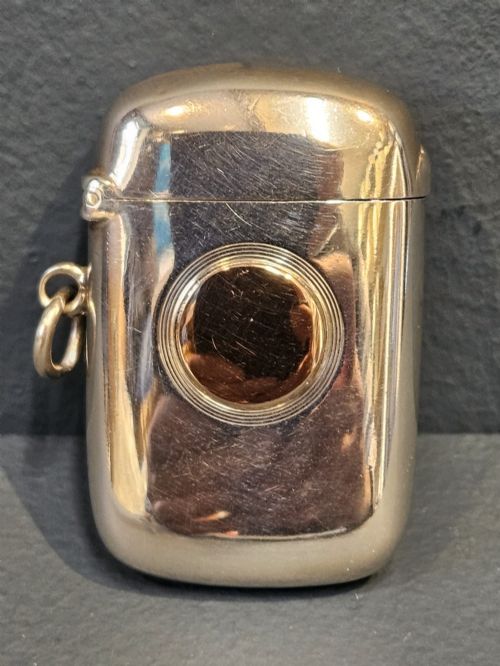
When you search for a gold inlay box, you are looking at small containers designed for personal items, vanity use, or desk storage. The examples on this page span several centuries, moving from the Georgian era through the Victorian period and into the early twentieth century. You will encounter forms ranging from pocket snuff boxes and spectacle cases to larger jewellery caskets and decorative oriental boxes.
The materials and styles vary widely according to origin and period. Pieces from the nineteenth century often display Italian pietra dura work or French ormolu, while other items showcase Japanese Meiji period bronze, Chinese mixed-metal craft, or German Jugendstil design. Domestic British pieces sit alongside continental European work and Asian imports, reflecting global trade in luxury items.
How they were made
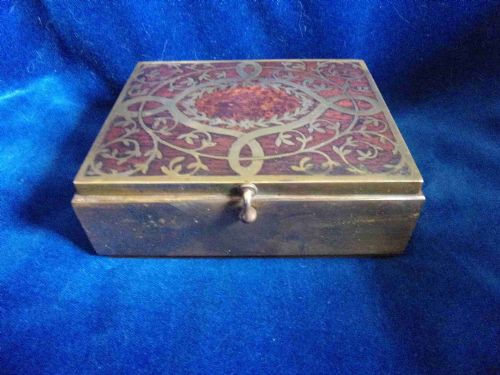
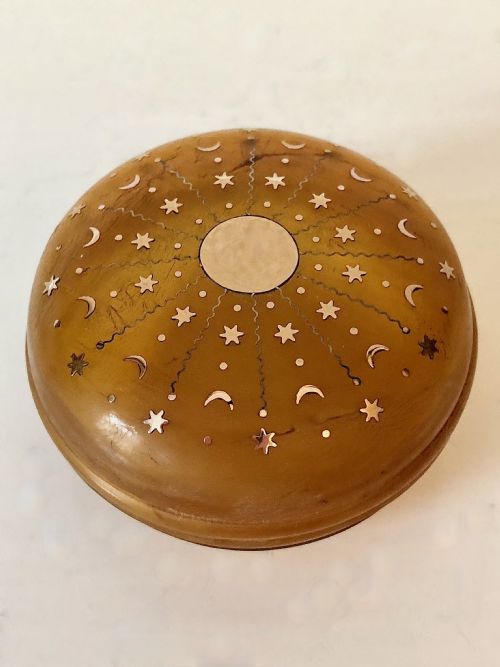
Craftsmen built these containers using a base of organic material, base metal, or stone, incorporating gold through pique work, gilding, or mixed-metal inlay. Tortoiseshell, lacquered wood, brass, and bronze provide the primary structures, onto which delicate metallic designs are applied by hand. Artisans combined bronze, silver, and gold to create intricate surface patterns on Japanese and Chinese vessels.
Specialised techniques varied by region and workshop. European makers utilised meticulous pique work to embed tiny gold pins into tortoiseshell, alongside cast ormolu mounts. Oriental workshops applied lacquer techniques and metalworking methods that demanded precise temperature control and patient hand-finishing.
Gold Inlay Box Retail Price Guide 2026
Typical asking prices for gold inlay box among the pieces listed under this phrase on Sellingantiques today, from the lower quarter to the upper quarter. They describe what is for sale here now, not the wider market.
Periods represented span from the eighteenth-century Georgian era through the Victorian age to the early twentieth century.
What varies in quality
The distinction between standard pieces and exceptional examples lies in the precision of the metalwork and the integrity of the materials. Superior items display tight, flush metal inlays where the gold sits perfectly level with the surrounding substrate, whether that is stone, shell, or lacquer. Master craftsmen achieved seamless joins and crisp surface detail that remained refined even under close inspection.
The selection of raw materials also dictates the standing of a piece. High-grade items employ dense, well-figured tortoiseshell, heavy cast bronze, or finely polished marble and pietra dura panels. The durability of the hinges, the alignment of the lid, and the depth of the metal inlay separate ordinary utility containers from luxury cabinet pieces.
Erhard and Sohne
The Gold Inlay Box Glossary
- Pique
- A decorative technique involving the insertion of tiny pins or strips of gold or silver into a non-metallic organic base such as tortoiseshell or ivory.
- Ormolu
- Gilded bronze, where a finely ground gold-mercury amalgam is applied to a bronze object and heated to drive off the mercury.
- Pietra dura
- An artistic technique of using cut and fitted, highly polished coloured stones to create images or geometric patterns.
- Jugendstil
- The German variant of Art Nouveau, prominent around 1900, known for flowing, organic lines and stylized natural motifs.
Gold Inlay Box: Frequently Asked Questions
What were these boxes used for?
These containers served specific functional roles in daily life, holding items such as loose tobacco, snuff, spectacles, or personal jewellery.
Smaller pocket examples accompanied their owners during social outings, while larger caskets remained on dressing tables or desks to safeguard valuables.
How do I date a piece?
Dating relies on stylistic clues, manufacturing techniques, and the materials used in construction. Georgian and Victorian examples often feature distinct regional motifs, whereas pieces marked by Jugendstil or the Meiji period point toward specific turn-of-the-century design movements.
Examining the hinges, lining, and fastening mechanisms also helps narrow down the decade of production.
How should I care for them?
Maintenance requires gentle handling and stable environmental conditions, avoiding direct sunlight and excessive moisture. Organic materials like tortoiseshell and lacquer are sensitive to sudden temperature shifts.
Dusting with a soft, dry cloth is sufficient for regular upkeep, keeping abrasive polishes away from delicate gold inlays.
Are these items purely decorative?
While many possess high aesthetic value, they retain their original utility for storage. Lids, clasps, and internal compartments generally remain functional.
Owners can use them today for storing small trinkets or modern jewellery while displaying them as decorative interior objects.