


Gold Heart Charm Bracelet
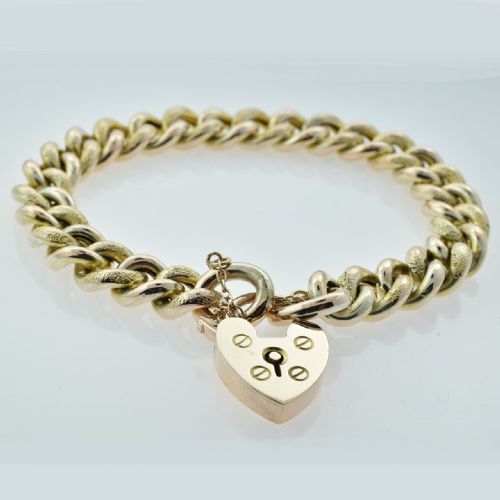
A gold heart charm bracelet brings together the enduring appeal of articulated links and the distinct romance of padlock fastenings.
Gold Heart Charm Bracelet
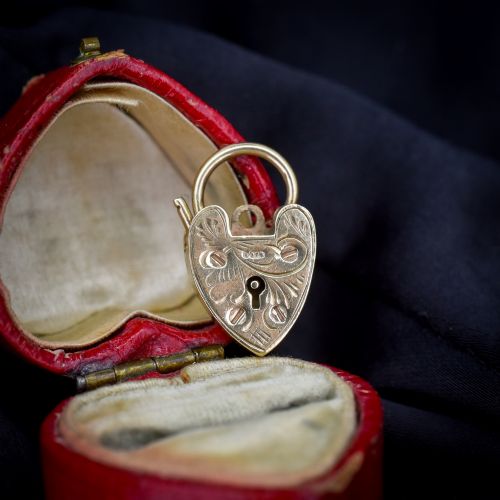
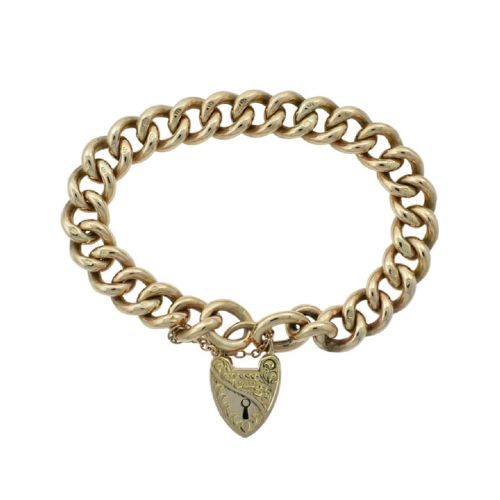
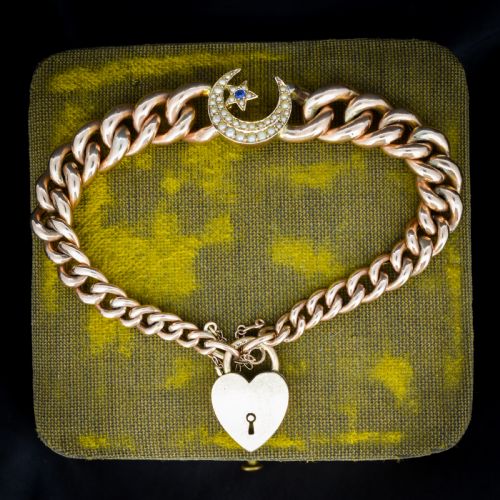
A gold heart charm bracelet typically centres on a robust link chain secured by a distinctive heart-shaped padlock or clasp. These pieces draw heavily from Victorian, Edwardian, and mid-twentieth-century traditions, spanning the decades up to nineteen sixty.
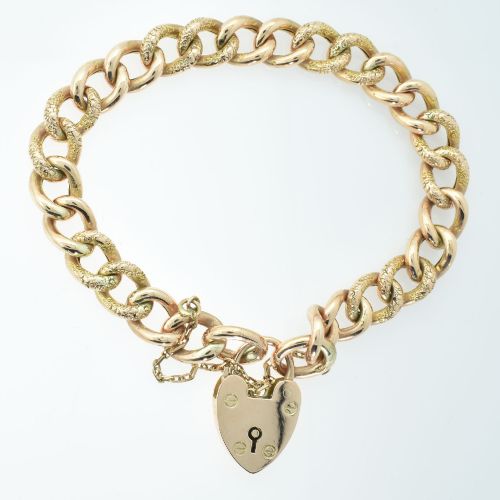
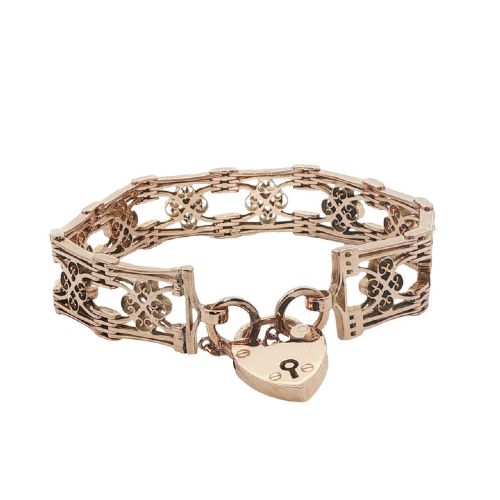
Curb chain variations and gate link foundations dominate the available forms, often accompanied by detachable charms and pendants. Buyers frequently encounter rose gold and yellow gold interpretations spanning the late nineteenth century and the early decades of the nineteen hundreds.
Materials and construction methods
Goldsmiths utilised nine-carat yellow and rose gold alloys to construct the substantial links and padlocks, occasionally incorporating fifteen-carat gold for specific antique commissions. Hand-engraved surface patterns, including half-engraved scrolling and curb designs, required precise manual application by skilled jewellers.
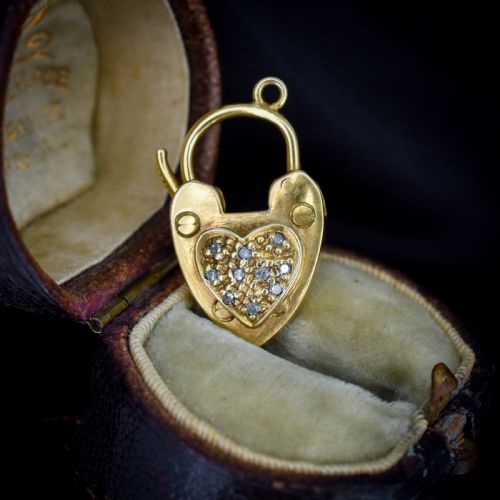
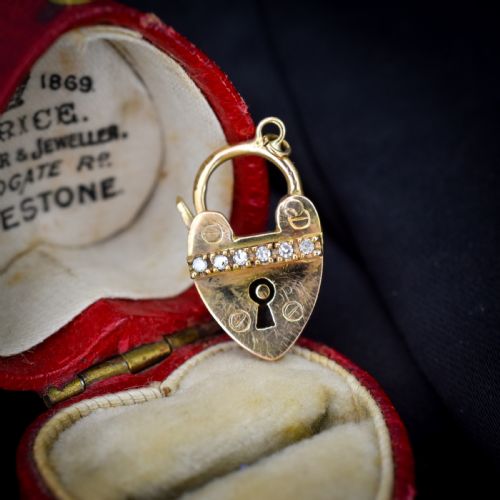
Gemstone embellishments such as diamonds, seed pearls, rubies, and rock crystals were flush or bezel set into pendant surfaces. Niello techniques and intricate knot and curb link assemblies provided additional textural contrast to the precious metal foundations.
Current listings feature nine-carat rose gold, yellow gold, and fifteen-carat gold, alongside diamond, seed pearl, ruby, and rock crystal embellishments.
Evaluating craftsmanship and condition
The integrity of the link connections and the spring tension within the heart padlocks dictate the structural standard of each assembly. Strong, uniform link wear indicates careful historical use, whereas overly thinned metal compromises the longevity of the chain.
Refinement in hand-engraving and the secure placement of pavé or flush-set gemstones separate standard production pieces from finer masterworks. Original components, including matching safety chains and fully functional opening lock mechanisms, enhance the historical completeness of the item.
The Gold Heart Charm Bracelet Glossary
- Curb chain
- A type of jewellery chain formed of interlinked, uniform flat links that lie relatively flat against the skin. This structure provides the heavy foundation characteristic of traditional padlock bracelets.
- Padlock clasp
- A mechanical fastening shaped like a miniature padlock that secures the bracelet links together. These elements often double as decorative charms featuring hand-engraved motifs.
- Gate bracelet
- A wide bracelet style composed of parallel vertical metal bars connected by central links, originating from Victorian domestic jewellery traditions. They frequently fasten with a prominent heart padlock.
- Niello
- A black metallic alloy used as a contrast inlay on engraved metal surfaces. This technique highlights intricate patterns against the surrounding gold or silver base.
- Seed pearl
- A very small natural or cultured pearl utilised in Victorian and Edwardian clusters and crescents. These delicate gems add subtle lustre to central heart pendants.
Gold Heart Charm Bracelet: Frequently Asked Questions
What defines a gold heart charm bracelet?
These pieces consist of a linked metal chain, most commonly in a curb or gate pattern, finished with a functioning heart-shaped padlock clasp. Additional charms and pendants are frequently suspended from the main links.
Origins trace primarily through the Victorian, Edwardian, and mid-century periods, utilising various shades of nine-carat gold alongside decorative elements like seed pearls and diamonds.
How do I care for my bracelet?
Store the bracelet flat in a dedicated jewellery box to prevent the heavy links and padlock from scratching other pieces. Avoid wearing it during strenuous manual tasks or swimming to protect delicate gemstone settings.
Clean the metal gently with a soft microfibre cloth and avoid harsh chemical dips, particularly if the piece contains pearls or niello work.
How can I tell the period?
Examine the link style, the engraving technique, and any hallmarking present on the padlock or individual links. Victorian and Edwardian examples often feature heavy rose gold curb links and hand-etched foliate patterns.
Mid-century pieces from the nineteen sixties typically display simpler yellow gold construction and different manufacturing stamps compared to nineteenth-century work.
Were these bracelets worn daily?
Historical evidence suggests these pieces served as cherished personal adornments worn frequently for social occasions and everyday life. The inclusion of safety chains on many examples reflects a desire to secure the bracelet during regular wear.
Padlocks were often functional security devices as well as decorative centrepieces, reflecting the sentimental customs of the nineteenth and early twentieth centuries.