



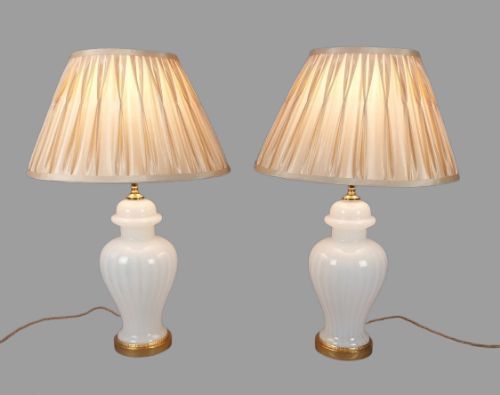


Gold Glass Urn
A gold glass urn brings together rich metallic leaf and luminous glass, offering a decorative focal point rooted in classical design.
Gold Glass Urn
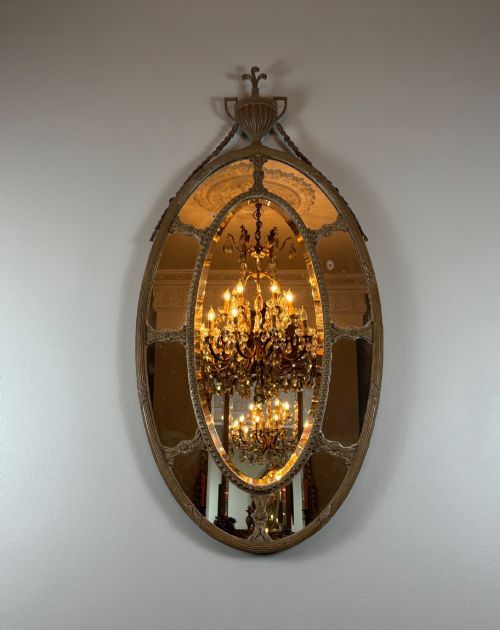
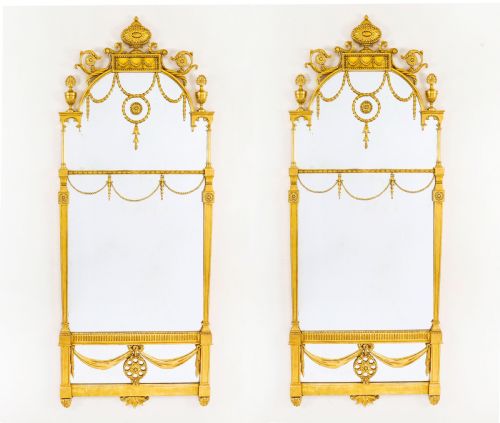
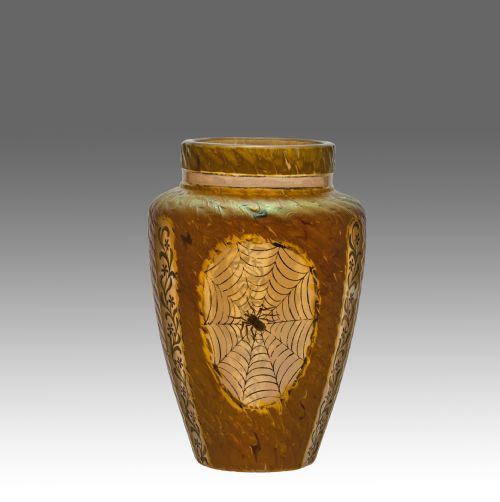
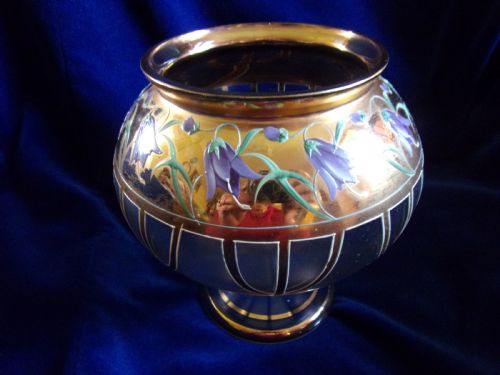
A gold glass urn search reveals a varied selection of decorative items, ranging from Murano millefiori glass chalice urn vases incorporating twenty-four karat gold to larger decorative vessels from the late nineteenth and early twentieth centuries. While the exact phrase describes a specific form, the physical pieces on this page span decorative vases, glass urns, and associated vessels produced during periods such as the Georgian era, the Victorian period, and the Art Nouveau movement.
Materials and construction methods
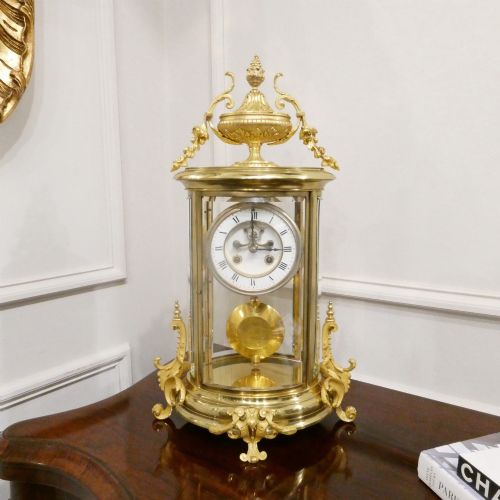
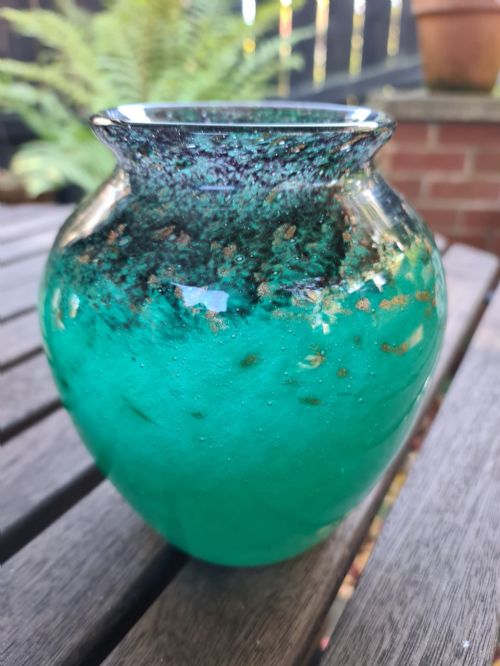
Makers combined blown or moulded glass with surface gilding, utilising gold leaf, enamel, and metallic inclusions such as aventurine to achieve rich surface textures. The glass itself ranges from iridescent and opaline bodies to crystal, occasionally mounted in brass, ormolu, or carved giltwood frameworks.
Decorative detailing on these items frequently involves acid-etching, hand-painting, and applied glass elements like snakes or floral swags. Frames and associated mounts rely on traditional joinery, gesso work, and parcel-gilding techniques typical of Georgian, Victorian, and later revival workshops.
Listings for this search span from eighteenth-century Georgian items to nineteen-thirties pieces, incorporating glass, giltwood, and ormolu.
Factors determining quality
Quality in these pieces rests upon the crispness of the hand-finishing, the purity and weight of the glass, and the integrity of the gilding. Items displaying finely detailed enamel work, intact gold leaf without excessive rubbing, and well-executed metal mounts sit at the upper end of the scale.
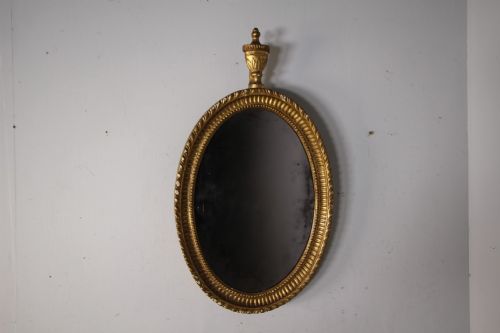
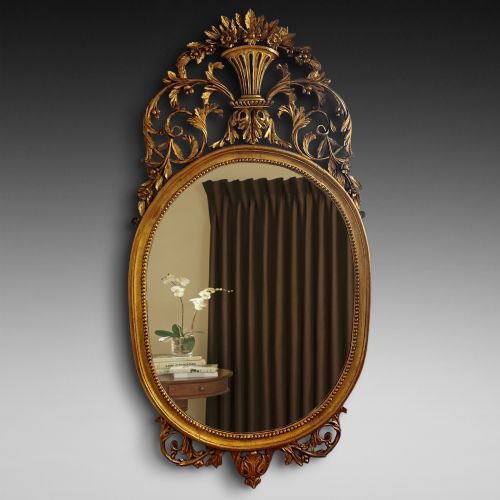
The sophistication of the design, whether in the organic fluidity of an Art Nouveau iridescent vase or the formal symmetry of an Adam Revival mirror with urn motifs, dictates the overall execution. Superior examples retain their original surface treatments and show careful integration between the glass body and any metal or giltwood framing.
Samuel Marti·Kralik Glass·Paul Heller·Loetz·LCT Tiffany
The Gold Glass Urn Glossary
- Aventurine glass
- Glass containing suspended copper or metallic crystals that glitter when caught by light. This technique is often found in decorative vases and urns from the early twentieth century.
- Ormolu
- Finely gilt bronze or brass used for mounts, clock cases, and decorative vessel fittings. The technique involves applying a mercury-gold amalgam to a base metal.
- Gesso
- A plaster-like mixture applied to wood frames or bases before gilding. It provides a smooth surface that can be carved or moulded with classical details such as swags and urns.
- Iridescent glass
- Glass treated with metallic salts while hot to create a shimmering, rainbow-like surface effect. This finish is characteristic of Art Nouveau productions by makers such as Loetz and Tiffany.
- Chalice urn
- A deep drinking vessel or decorative vase form raised on a stem and foot. In glass production, this shape echoes classical stone or metal urns.
Gold Glass Urn: Frequently Asked Questions
What is a gold glass urn?
A gold glass urn is a decorative vessel made from glass and enhanced with gold leaf, metallic aventurine, or gilt mounts. These pieces draw on classical shapes originating in earlier centuries.
They serve primarily as ornamental objects on mantelpieces, tables, or within architectural wall displays rather than functional containers.
How do I date a gold glass urn?
Dating relies on examining the manufacturing techniques, glass chemistry, and stylistic markers such as Art Nouveau iridescence or Neoclassical Revival motifs. The presence of specific maker labels or signatures also helps establish the period.
Comparing the base material and framing style against known Georgian, Victorian, and early twentieth-century examples narrows the window of production.
How should I display a glass urn?
Display these items away from direct, harsh sunlight to protect any sensitive enamel or surface gilding over time. Placing them on stable surfaces where they catch ambient light allows the iridescent or metallic qualities to show fully.
Ensure they sit securely on mantelpieces or tables where accidental knocks are minimised, particularly for heavier glass and metal combinations.