




Gold Glass Ornament
These gold glass ornament selections bring together centuries of glasswork, metal mounts, and reflective finishes that brighten any interior.
Gold Glass Ornament
A gold glass ornament collection brings together diverse objects incorporating glass and gold finishes, ranging from paperweights to display cabinets. Buyers searching this phrase encounter items spanning the eighteenth, nineteenth, and twentieth centuries.
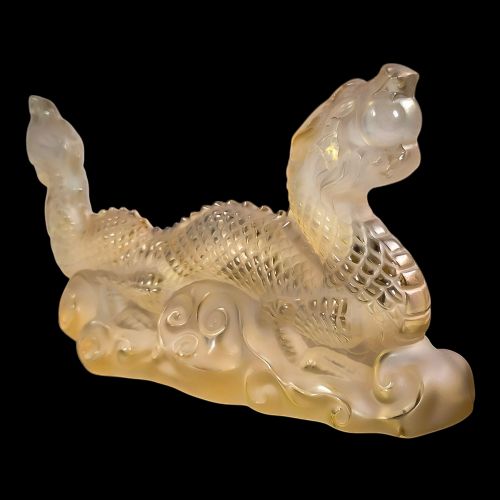
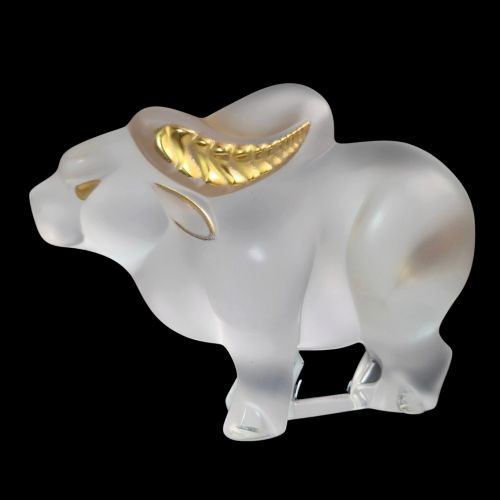
The objects on this page include Victorian novelty pieces, French vitrines, and Venetian glassware. Each piece reflects the decorative tastes of its specific period, from Regency gilt bronze to Art Deco Murano work.
Vessels, mirrors, and small decorative spheres dominate the selection, often combining glass with metal mounts or enamel detailing. These varied forms demonstrate how makers applied gold and glass to both functional items and pure decoration.
Materials and Construction
Makers utilised clear and coloured glass, mercury glass, and gold aventurine, frequently combining them with gilt bronze and enamel. These materials required specialised glassblowing, casting, and gilding techniques passed down through generations of artisans.
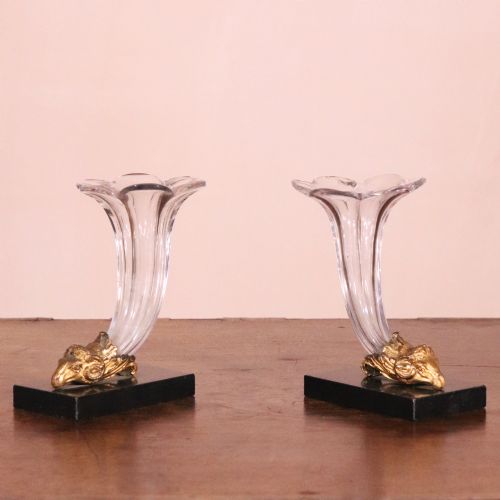
Gilded metal mounts support or encase many of the glass elements, as seen in nineteenth-century cornucopias and inkwells. Enamel work and bevel cutting add further texture and visual depth to the finished pieces.
Gold Glass Ornament Retail Price Guide 2026
Typical asking prices for gold glass ornament among the pieces listed under this phrase on Sellingantiques today, from the lower quarter to the upper quarter. They describe what is for sale here now, not the wider market.
Listings feature items spanning the eighteenth, nineteenth, and twentieth centuries, incorporating materials such as mercury glass, gilt bronze, and marble.
Assessing Quality and Craftsmanship
Quality in these items rests upon the precision of the glass forming and the weight of the metal mounts. Finer examples display crisp casting in gilt bronze and unblemished clarity or intentional depth within the glass.
The integration between metal and glass components indicates the level of workshop care. Superior pieces maintain secure fittings and harmonious proportions between the decorative gold elements and the glass body.
The Gold Glass Ornament Glossary
- Mercury glass
- A double-walled blown glass object filled with a silvering liquid and sealed, creating a mirror-like sheen. It is also known as silvered glass.
- Aventurine
- Glass containing finely dispersed crystals of copper or gold, producing a sparkling metallic appearance. It originated in Venetian glasshouses.
- Lustre
- A decorative glass vase or mantel ornament hung with cut glass prisms. They often feature hand-painted enamel and gilding.
- Vitrine
- A glass-fronted cabinet designed for displaying fine objects and curiosities. Many examples incorporate painted panels or gilt bronze mounts.
- Cornucopia
- A horn-shaped container symbolising abundance and prosperity. In decorative arts, they frequently serve as vases or decorative wall pockets.
Gold Glass Ornament: Frequently Asked Questions
How do I clean antique glass?
Antique glass requires gentle cleaning with a soft, dry cloth to remove dust and surface debris. Avoid submerging items with gilt metal mounts or painted enamel in water.
Moisture can damage older adhesives and tarnish exposed bronze or gilded surfaces. Professional conservation advice is best for delicate pieces.
What are mantel lustres?
Mantel lustres are decorative glass vessels traditionally placed on fireplace mantels during the nineteenth century. They often feature hanging glass prisms that catch and refract candlelight.
Pairs of lustres typically incorporate rich colours like ruby red, accompanied by hand-painted gilt decoration.
How do I date these items?
Dating relies on stylistic clues, manufacturing techniques, and the types of glass or metal used in the construction. Victorian pieces often show heavy gilding and figurative motifs.
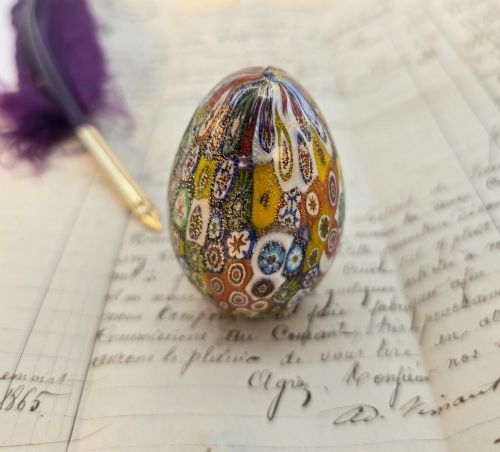
Twentieth-century works, such as Murano pieces, display distinct modernist forms and cane-work techniques like millefiori.