


Gold Gilt Silver
Gold gilt silver pieces bring together precious metals and traditional craft, offering enduring appeal for collectors of decorative objects and tableware.
Gold Gilt Silver
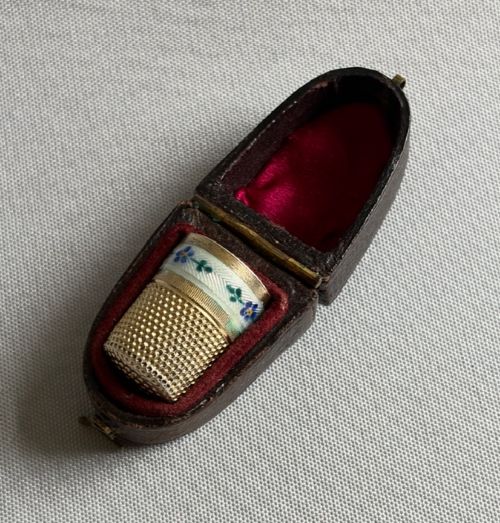
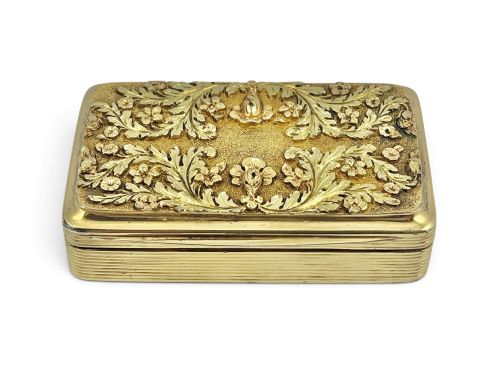
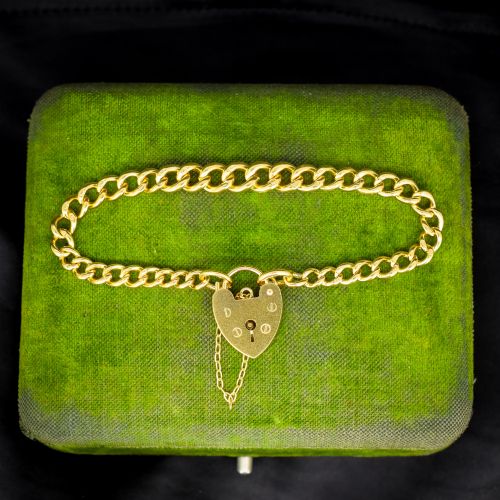
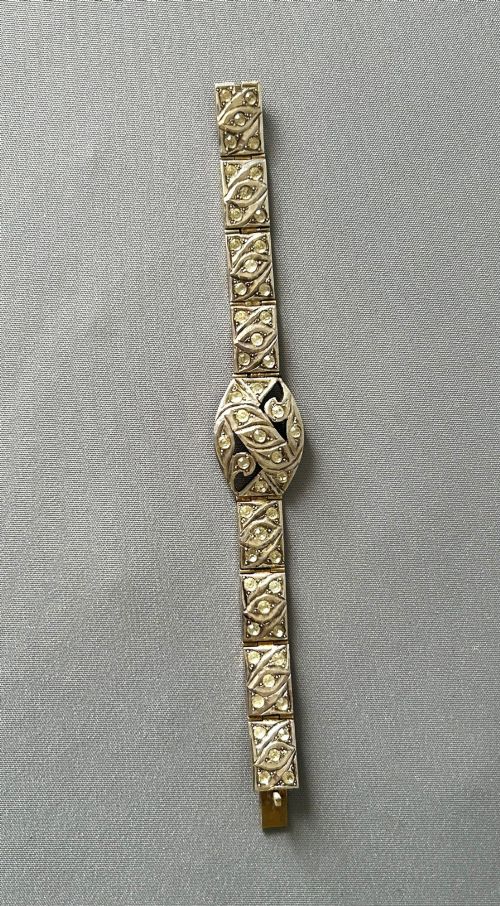
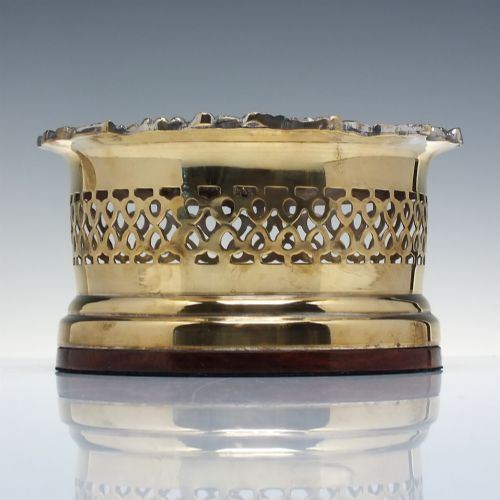
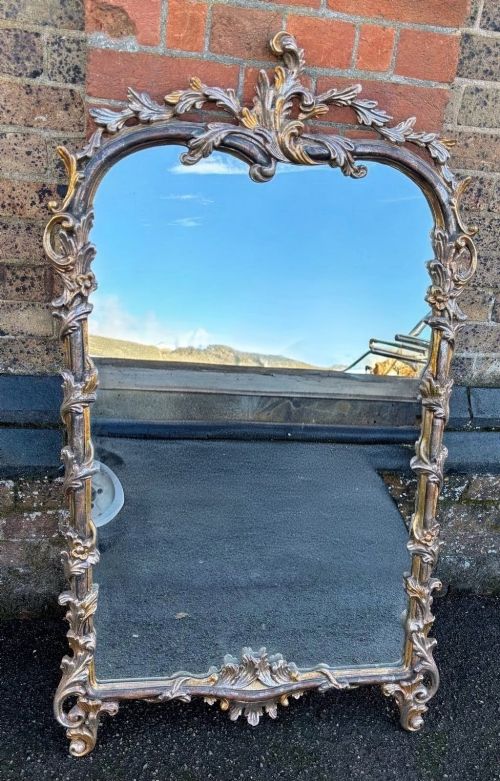
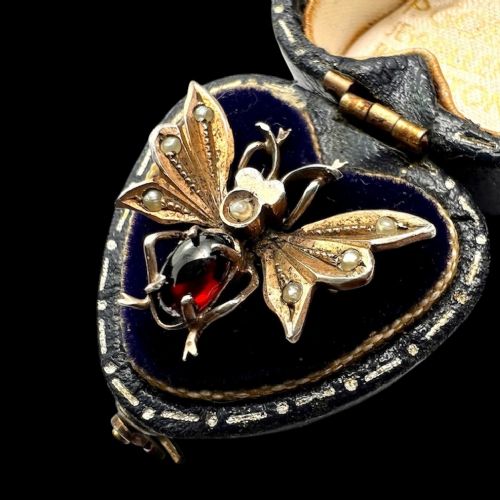
When searching for gold gilt silver, collectors encounter items spanning the Georgian, Victorian, and mid-twentieth century periods. These encompass small personal accessories, flatware, mirrors, and larger presentation vessels.
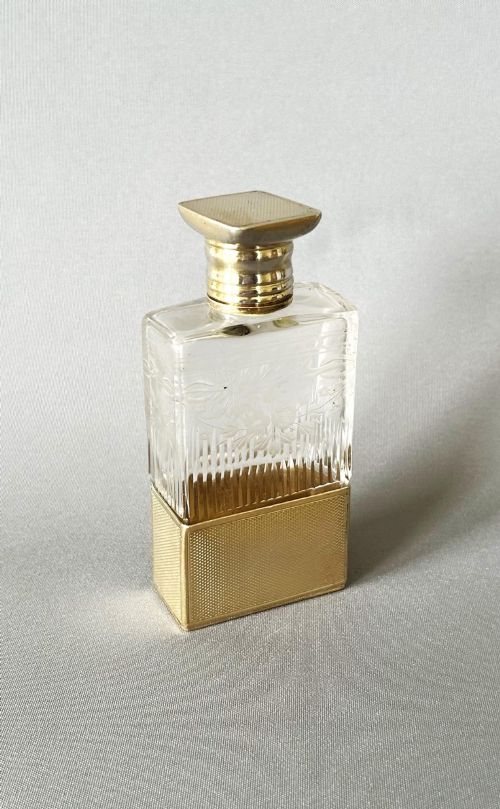
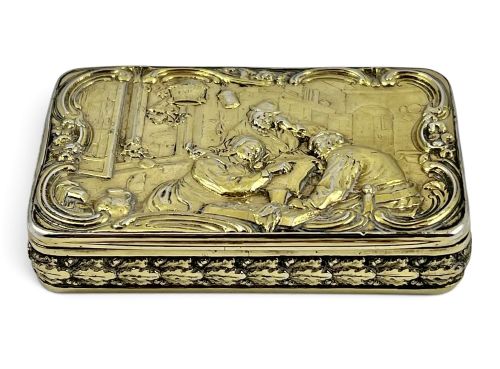
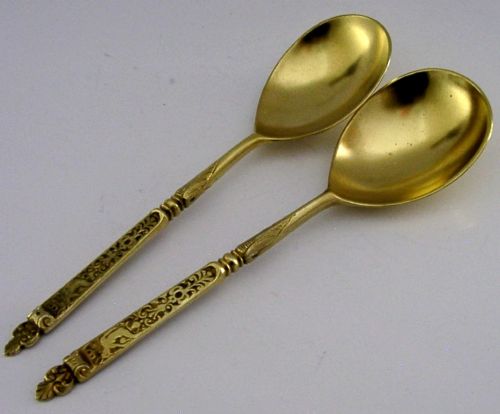
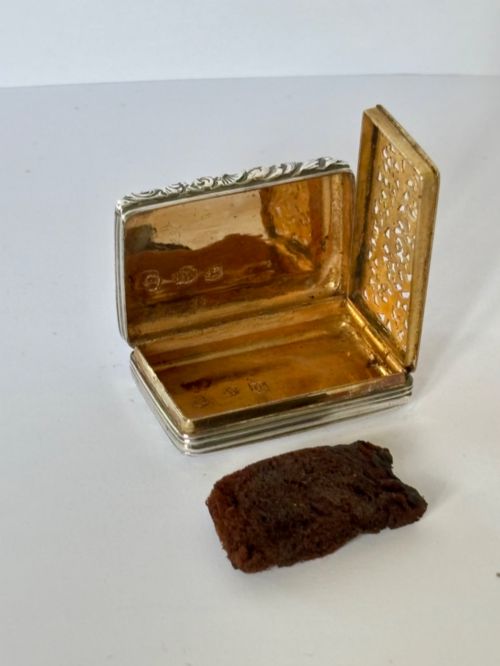
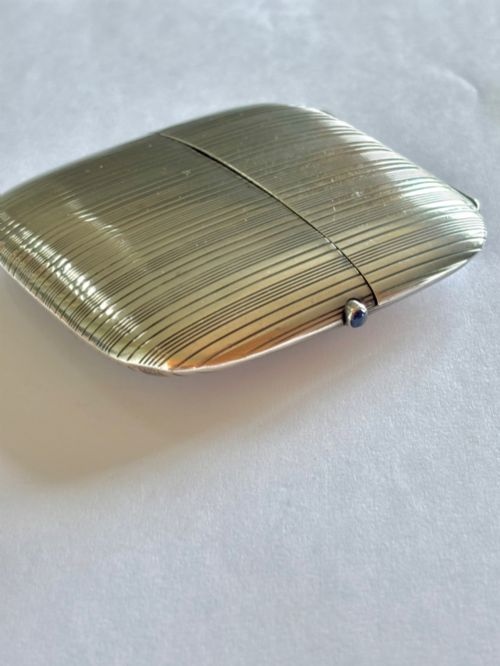
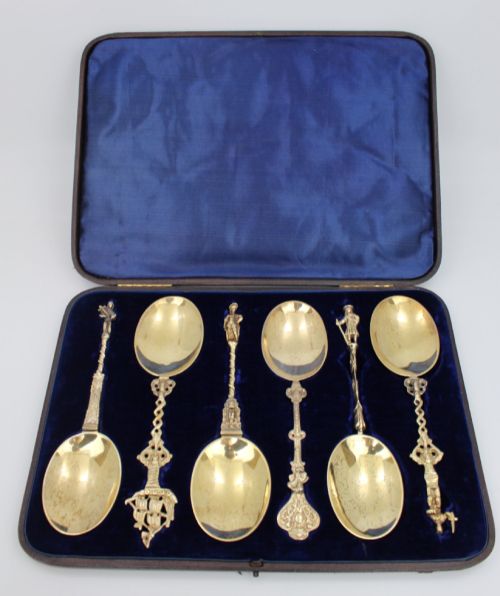
Vinaigrettes, scent bottles, and snuff boxes represent common portable forms, while spoons and serving pieces dominate the tableware category. Wall mirrors and chandeliers apply the same metal treatments on a decorative scale.
Origin points range from British workshops to Scandinavian studios and French ateliers, showing diverse regional interpretations of gilding techniques.
Materials and technique
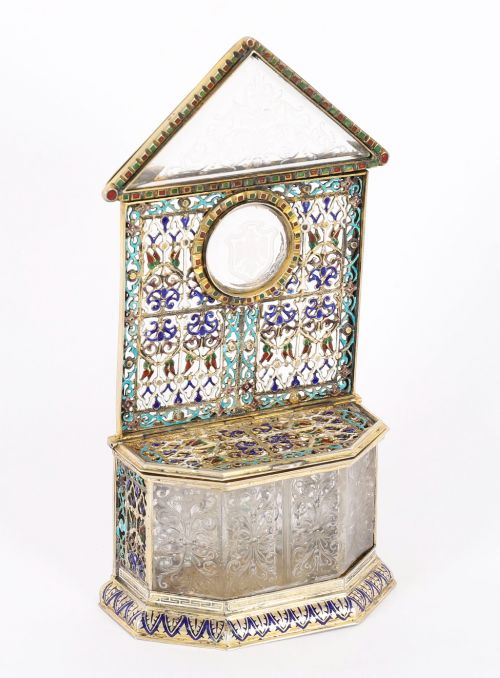
Makers utilised sterling silver or solid silver as a base metal, applying gold through gilding, vermeil processes, or silver leaf applications. Enamel work frequently adds colour to surfaces, often paired with glass or carved wood components.
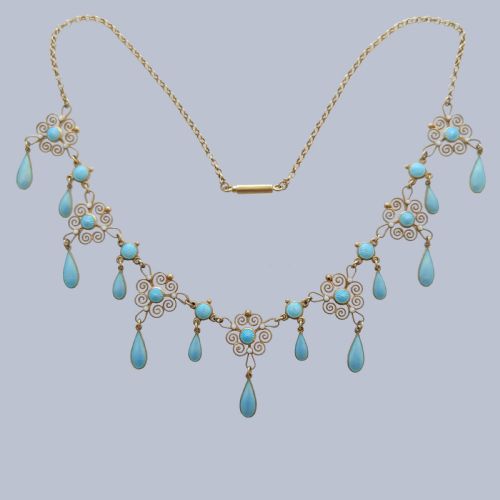
Detailed filigree, hand-engraving, and guilloche patterns demonstrate the technical precision employed by silversmiths across different centuries.
Gold Gilt Silver Retail Price Guide 2026
Typical asking prices for gold gilt silver among the pieces listed under this phrase on Sellingantiques today, from the lower quarter to the upper quarter. They describe what is for sale here now, not the wider market.
Several vintage items include tiny silver pigs and bugles designed to dangle as luck charms from split rings.
Factors of quality
Distinction in quality rests upon the crispness of chased or engraved details and the integrity of the underlying metalwork. Preservation of the original gilding and enamel surfaces plays a primary role in establishing standard.
Named makers and clear hallmarks provide tangible evidence of origin and workshop standard, lifting certain pieces above unmarked items.
Nathaniel Mills·George William Adams·David Andersen·Hermes Paris·Deakin and Francis·Stephan Wekeva·Aksel Holmsen·Tiffany and Company
The Gold Gilt Silver Glossary
- Silver Gilt
- Silver that has been coated with a thin layer of gold. This treatment provides the visual warmth of gold while retaining silver as the structural base.
- Vermeil
- Sterling silver coated with gold. French in origin, the term denotes high-quality silver gilt items often utilised for tableware and luxury accessories.
- Guilloche
- A decorative technique where a precise, intricate pattern is mechanically engraved into the underlying metal. Enamel is frequently layered over this engraving.
- Filigree
- Delicate ornamental work made of twisted wire soldered together. It appears frequently in earrings and decorative small items.
- Hallmark
- An official stamp indicating metal purity and origin. These marks help verify the period and maker of silver items.
Gold Gilt Silver: Frequently Asked Questions
What is silver gilt?
Silver gilt is solid silver that has received a thin coating of gold. This process combines the durability and weight of silver with the rich appearance of gold.
Items treated this way avoid tarnishing as quickly as bare silver and present a distinct dual-tone aesthetic.
How do I care for these pieces?
Gentle handling prevents wear to delicate surface gilding and enamel details. Soft cloths work best for cleaning without abrasive polishes.
Storing items away from direct sunlight and moisture protects both the metal and any secondary materials like velvet or glass.
How can I tell the period?
Hallmarks stamped directly onto the metal provide definitive dates and workshop locations. Stylistic cues such as Art Deco geometric lines or Victorian ornamentation also indicate the era of manufacture.
Comparing construction methods helps confirm whether a piece belongs to the Georgian period or later decades.
How were vinaigrettes used?
Vinaigrettes held a sponge soaked in aromatic vinegar to help mask unpleasant odours in public spaces. Wealthy individuals carried them in pockets or handbags as personal accessories.
Inside the box, a pierced grille allowed the scent to escape while keeping the damp sponge contained.