

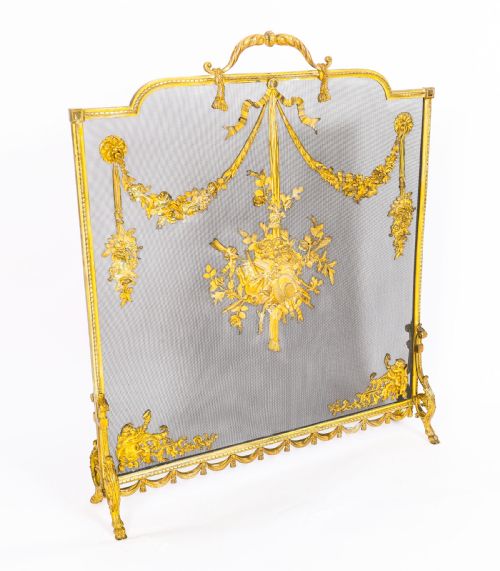


Gold Gilt Screen
A gold gilt screen brings polished metalwork and carved frames into a room, filtering the hearth or dividing a space with period elegance.
Gold Gilt Screen
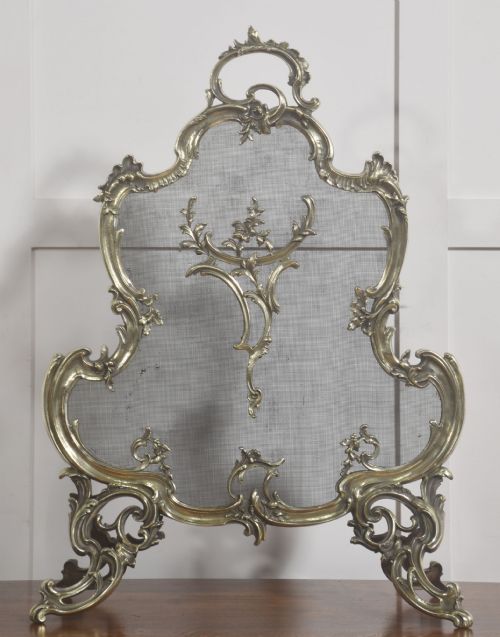
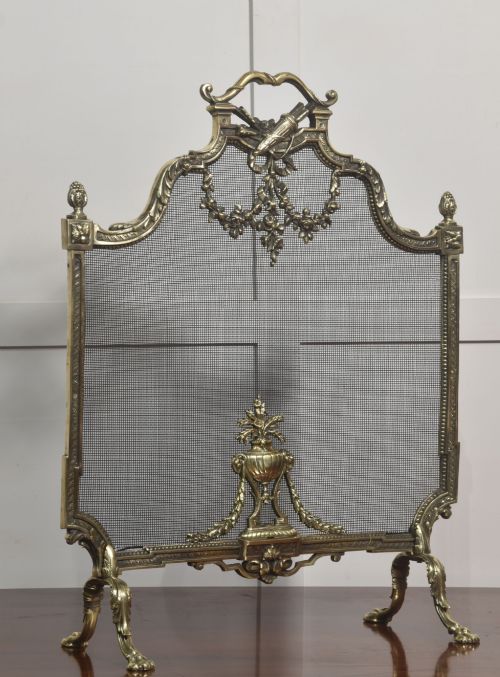
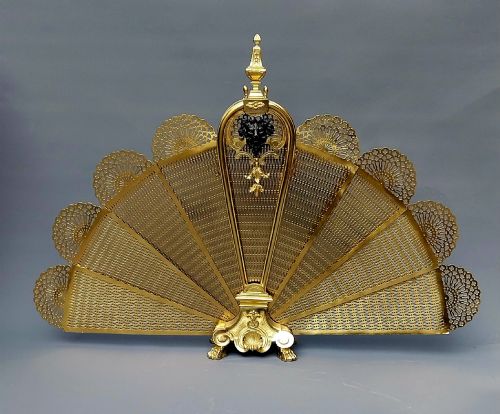
When searching for a gold gilt screen, buyers encounter a diverse selection of nineteenth-century French and Victorian pieces designed for domestic interiors. Fire screens dominate the offerings, functioning both as decorative hearth accessories and functional spark guards.
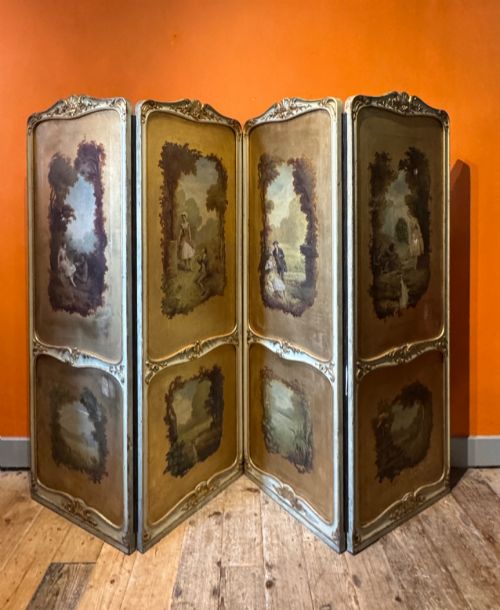
The inventory ranges from ornate French Rococo and Louis Revival brass frames to folding leather room dividers and silk panelled wooden screens. These objects represent the nineteenth-century taste for opulent interior furnishings, spanning periods from the eighteenth century through the Edwardian era.
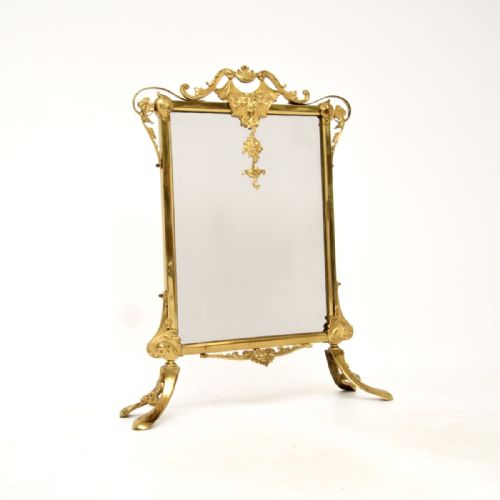
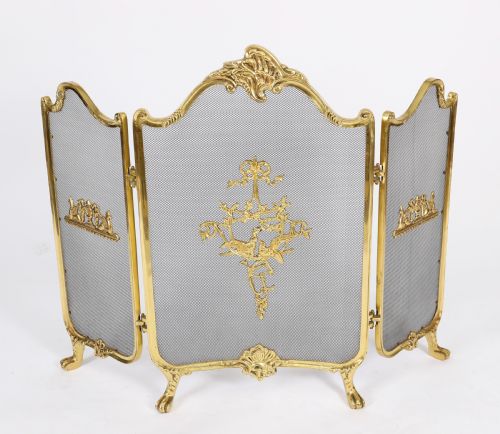
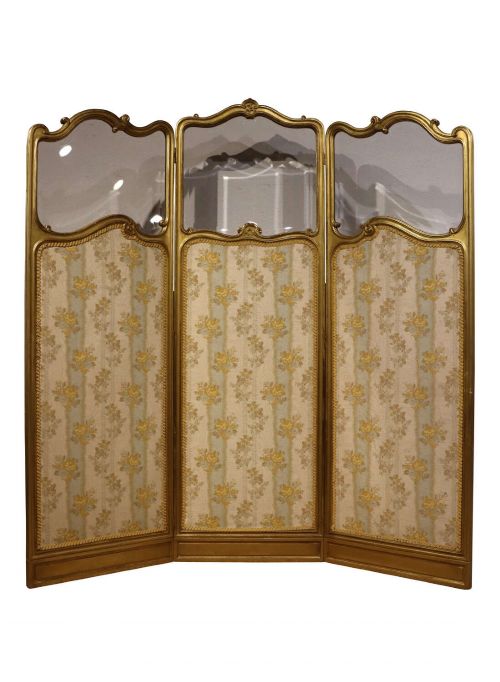
Forms include single-panel fire screens with bevelled glass, multi-fold room dividers, and pole screens featuring embroidered banners. Originating primarily from French workshops and Victorian parlours, they serve as focal points for traditional fireplace arrangements.
Materials and Construction
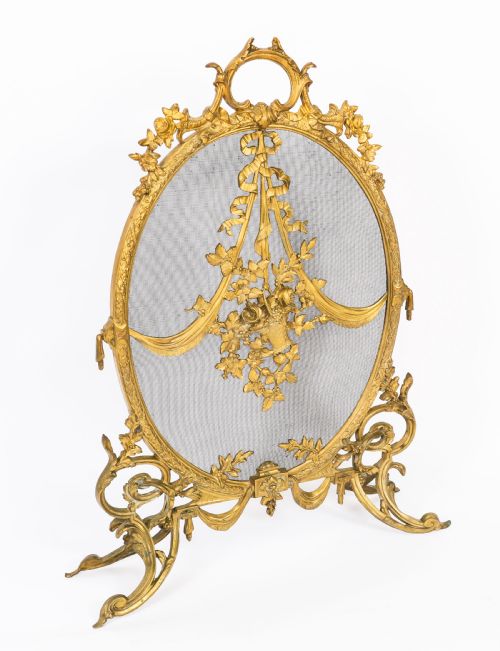
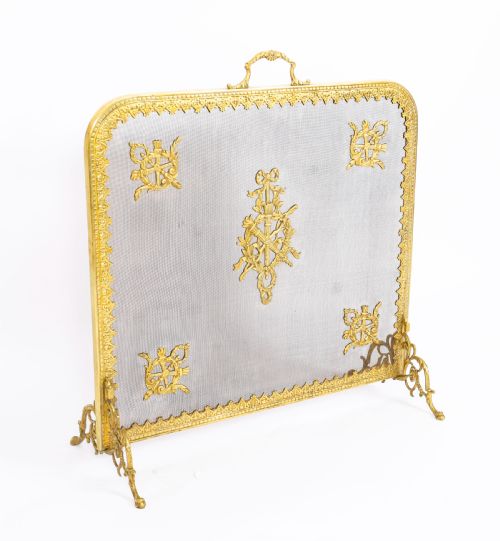
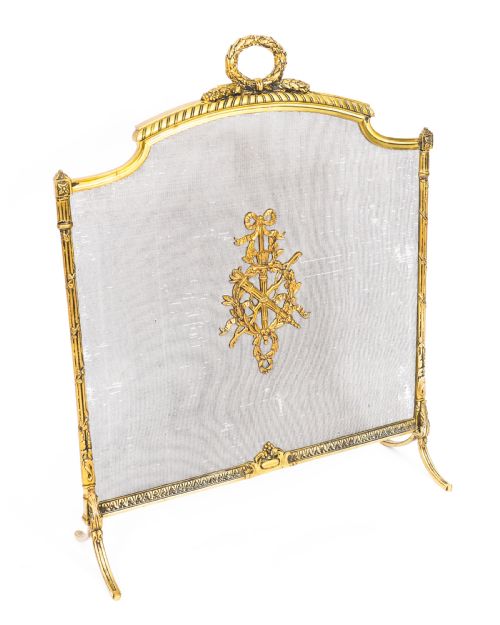
Construction relies heavily on metals such as brass, gilt bronze, and gilt brass, frequently combined with wire or steel mesh for hearth protection. Wooden frames utilise giltwood and carved panels, sometimes incorporating painted leather, silk, or glass inserts.
Techniques involve fire gilding or applying gold leaf to bronze, brass, and carved wood to achieve a lustrous finish. Makers integrated intricate cast details like flaming torches, classical trophies, and floral motifs within French Rococo and Empire Revival styles.
Gold Gilt Screen Retail Price Guide 2026
Typical asking prices for gold gilt screen among the pieces listed under this phrase on Sellingantiques today, from the lower quarter to the upper quarter. They describe what is for sale here now, not the wider market.
Listings feature numerous nineteenth-century French fire screens alongside Victorian brass fire guards and multi-fold leather room dividers.
Assessing Quality
Quality differentiates through the crispness of the bronze casting and the depth of the gilding on metal and wood surfaces. Finer examples display meticulous hand-chased details on mounts and robust joinery on multi-fold wooden frames.
The integrity of secondary materials, such as hand-painted leather, bevelled glass, and original silk panels, significantly influences the standing of a piece. Inferior items often show wear to the gilt surface and loose mesh or replacement panels.
Bouhon Frères
The Gold Gilt Screen Glossary
- Fire screen
- A movable decorative barrier placed in front of a fireplace to block radiant heat when the hearth is not in use. They often double as spark guards.
- Gilt bronze
- Metal objects cast in bronze and coated with a thin layer of gold or gold amalgam. This technique provides a durable and brilliant metallic finish.
- Pole screen
- A Victorian standing screen featuring an adjustable panel mounted on a vertical wooden pole. It allowed occupants to shield their faces from hearth heat.
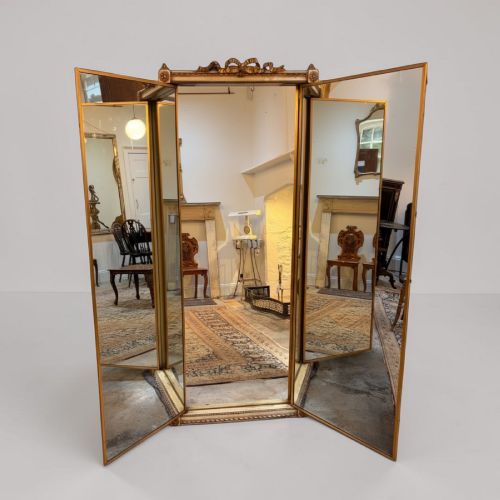
- Triptych mirror
- A three-panelled hinged mirror designed to stand on a mantelpiece or table. The side panels typically fold inward.
- Rococo revival
- A nineteenth-century design style inspired by eighteenth-century French Rococo ornament. It incorporates asymmetric scrollwork, C-scrolls, and naturalistic floral motifs.
Gold Gilt Screen: Frequently Asked Questions
What is the primary purpose of a fire screen?
Fire screens were originally designed to shield a person's face and skin from the intense heat of an open coal or wood fire. They also served to hide an empty, unlit hearth during warmer summer months.
Over time, they evolved into purely decorative interior furnishings that added a layer of polished metal or framed art to the room's decor.
How do you distinguish between brass and gilt bronze?
Gilt bronze, orormolu, generally exhibits a deeper, richer golden hue and heavier weight due to the copper alloy beneath the gold layer. Brass has a brighter, yellower metallic tone and is typically formed through rolling or less detailed casting.
Closer inspection under magnification often reveals the hand-chased surface texture characteristic of finer gilt bronze work compared to standard brass casting.
Where should a multi-fold screen be placed?
Multi-fold screens work effectively to partition large drawing rooms or create intimate corners within open spaces. They can also stand flat against a wall to display painted leather or silk panels as artwork.
Positioning them away from direct, harsh sunlight helps protect fragile materials like antique leather, silk, and painted surfaces from fading.
How do you date a nineteenth-century gilt screen?
Dating relies on stylistic markers, such as the exuberant asymmetrical scrolls of Rococo Revival pieces versus the cleaner, symmetrical lines of Louis XVI Revival work. Fasteners, screw types, and the method of gilding also provide clues to the decade of manufacture.
Makers' stamps or signatures, when present, offer definitive attribution to specific nineteenth-century foundries or workshops.