





Gold Gilt Porcelain Cup
A gold gilt porcelain cup brings rich metallic lustre and fine ceramic form together on the table, offering a glimpse into centuries of design.
Gold Gilt Porcelain Cup
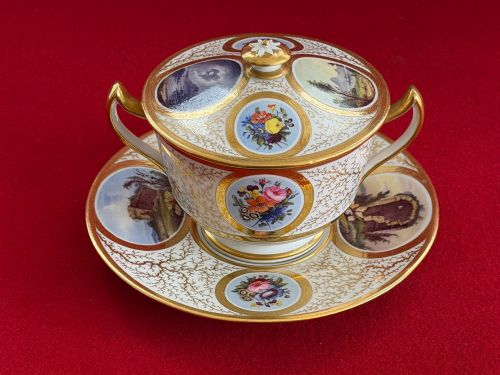
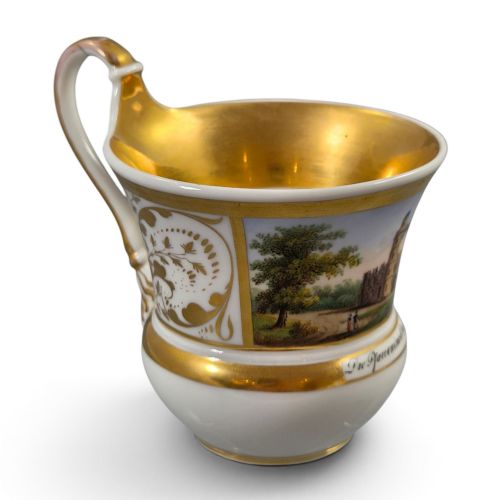
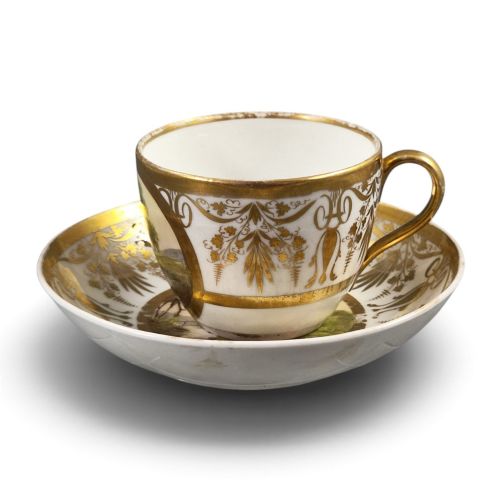
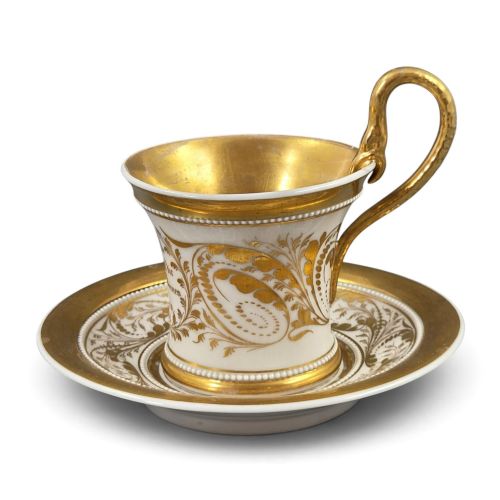
A gold gilt porcelain cup spans various historic forms, from cabinet cups and cabinet cup and saucer sets to teacups, coffee cans, and chocolate cups. Buyers searching for a gold gilt porcelain cup encounter pieces originating from English factories like Spode, Derby, Worcester, and Royal Worcester, alongside continental makers such as KPM Berlin and Royal Vienna.
The selections date primarily from the Georgian, Regency, and Victorian eras, extending into Edwardian and later twentieth-century output. These pieces reflect stylistic movements including Rococo Revival, Neoclassical, Biedermeier, and English Traditional designs.
Materials and Technique
Maker operations relied upon porcelain, bone china, hard-paste porcelain, and ironstone as the primary ceramic bodies. Artisans shaped these materials into intricate mugs, trios, and tea sets before firing.
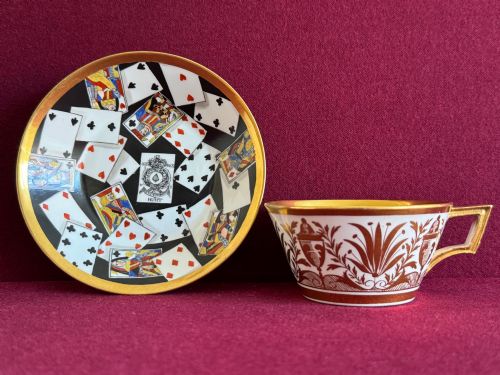
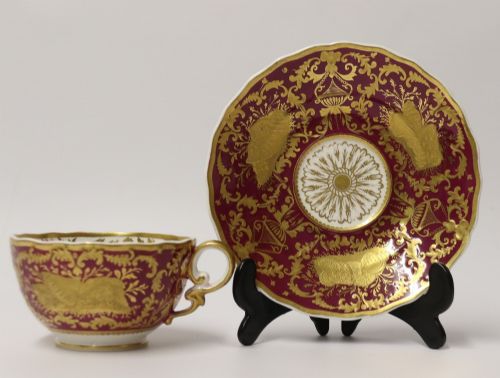
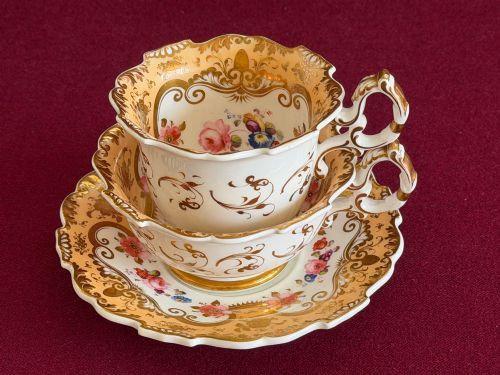
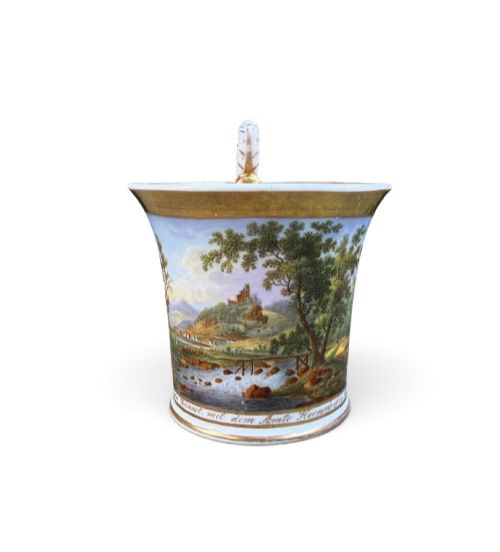
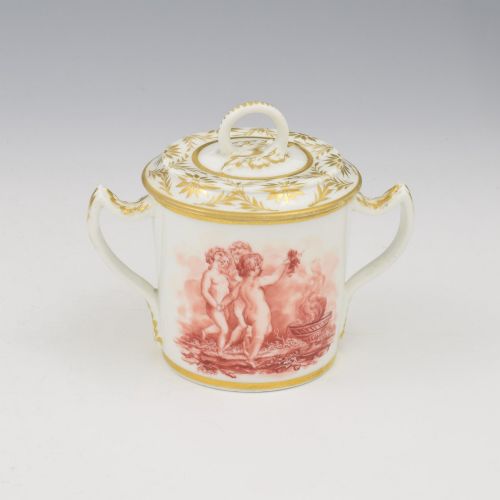
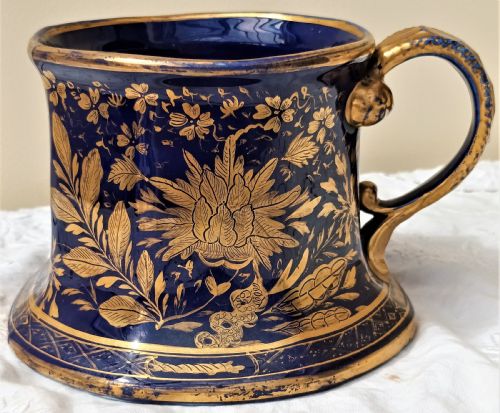
Decoration involved the application of gold leaf, heavy gilding, and enamel paint. Handpainted landscapes, botanical studies, and allegorical scenes frequently appear alongside applied gold highlights.
Gold Gilt Porcelain Cup Retail Price Guide 2026
Typical asking prices for gold gilt porcelain cup among the pieces listed under this phrase on Sellingantiques today, from the lower quarter to the upper quarter. They describe what is for sale here now, not the wider market.
The listings feature porcelain pieces from the nineteenth century onward, encompassing Georgian, Regency, Victorian, and Edwardian periods alongside later twentieth-century items.
Evaluating Execution
The distinction between standard domestic wares and superior cabinet pieces rests upon the precision of the handpainted details and the purity of the porcelain body. Pieces featuring topographical landscapes, portraits, or sepia putti demand a higher level of artistic skill than simple patterned items.
The handling of the gold leaf and gilding dictates visual success, with burnished and chased metallic application outshining flat, printed gold lines. Preservation of the original gilding and enamel integrity across centuries remains central to the standing of any individual vessel.
Spode·Derby Porcelain·H & R Daniel·Davenport·KPM Berlin·Bloor Derby·Flight & Barr Worcester·Kusnetzoff·Coalport·Royal Vienna·Taniguchi·Royal Worcester·Hutschenreuther
The Gold Gilt Porcelain Cup Glossary
- Cabinet cup
- A decorative vessel made primarily for display in a cabinet rather than for daily consumption. These pieces often feature elaborate topographical or allegorical paintings.
- Coffee can
- A cylindrical cup designed for drinking coffee, popular during the late eighteenth and early nineteenth centuries. It typically lacks the curved bowl of a standard teacup.
- Hard-paste porcelain
- A durable ceramic composition fired at very high temperatures, composed of kaolin and petuntse. It creates a dense, bright white body favoured by European factories.
- Gilding
- The application of gold leaf or gold powder to the surface of ceramics. This technique provides metallic embellishment that catches the light.
- Ironstone
- A heavy, durable type of earthenware patented in the nineteenth century. It mimics porcelain in strength and served as a robust base for transfer-printed and painted designs.
Gold Gilt Porcelain Cup: Frequently Asked Questions
What is a cabinet cup?
A cabinet cup is an ornamental vessel designed for display within a glass-fronted cabinet rather than everyday use at the tea table.
These pieces usually showcase detailed handpainted scenes, topographical views, or portraits, combined with extensive gilding.
How do I care for gilded porcelain?
Gilded porcelain requires gentle hand washing in warm water with mild soap, avoiding harsh scourers or abrasive detergents that can wear away the metallic leaf.
Displaying the pieces away from direct, harsh sunlight helps protect the underlying enamel colours and gold surfaces over time.
What is the difference between a teacup and a coffee can?
A traditional teacup is generally wider and shallower with a curved bowl, often accompanied by a matching saucer with a central well. A coffee can is taller and straight-sided, modelled after ancient vessel forms.
Coffee cans were especially popular during the Regency and Georgian periods for serving strong black coffee.
How can I tell the period of a cup?
Dating relies upon examining the factory marks on the base, the composition of the ceramic body, and the stylistic painting conventions used. Georgian and Regency pieces often feature soft-paste or early bone china bodies with hand-gilded accents.
Victorian and later examples introduce different ceramic formulas, bolder colour palettes, and distinct manufacturer stamps.